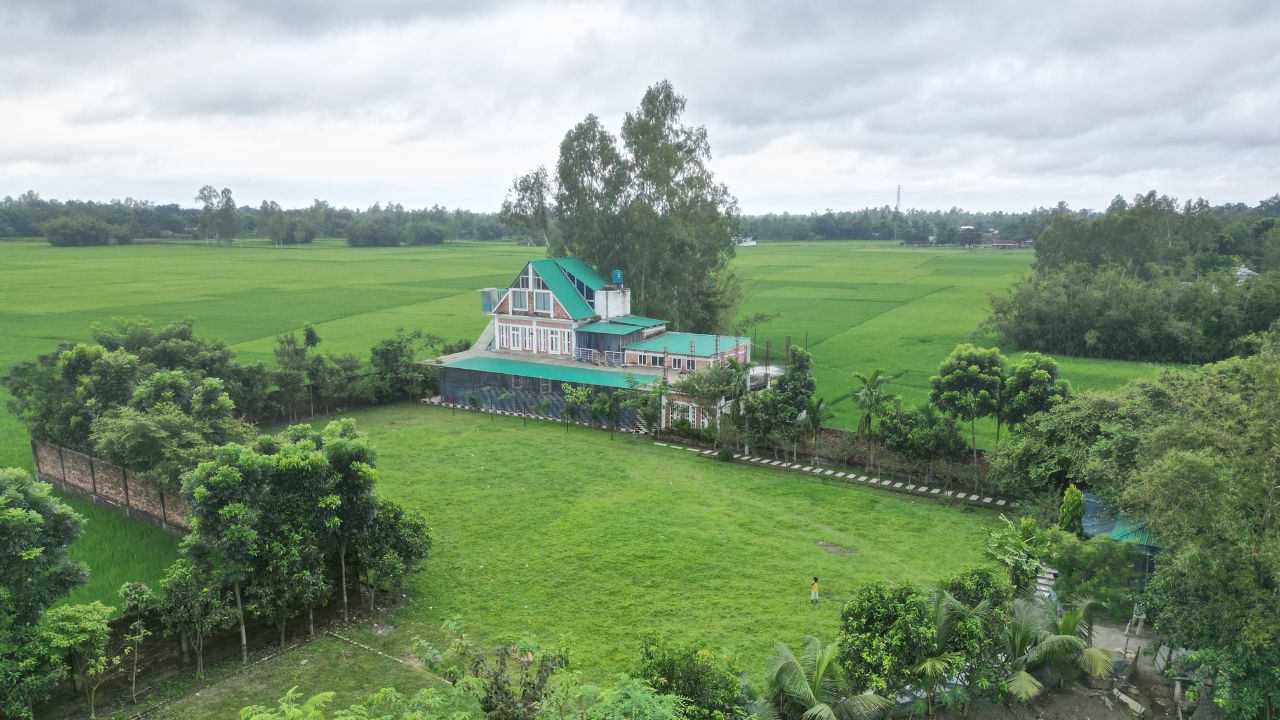



A country is only as strong as its institutions of education, a marker being how accessible and effective these structures are in uplifting, shaping and guiding young minds.
As an educator, I find it integral to observe the quality of schooling our country’s children are exposed to and I make it a point to visit local schools in each district I am able to visit.
Over the years I have witnessed the growth of many such local institutions, each making attempts to serve their localities in their own unique ways, be that through innovative pedagogy, uniquely trained teachers, or modern curricula.
A most recent visit to my hometown of Rangpur brought with it a most pleasant surprise.
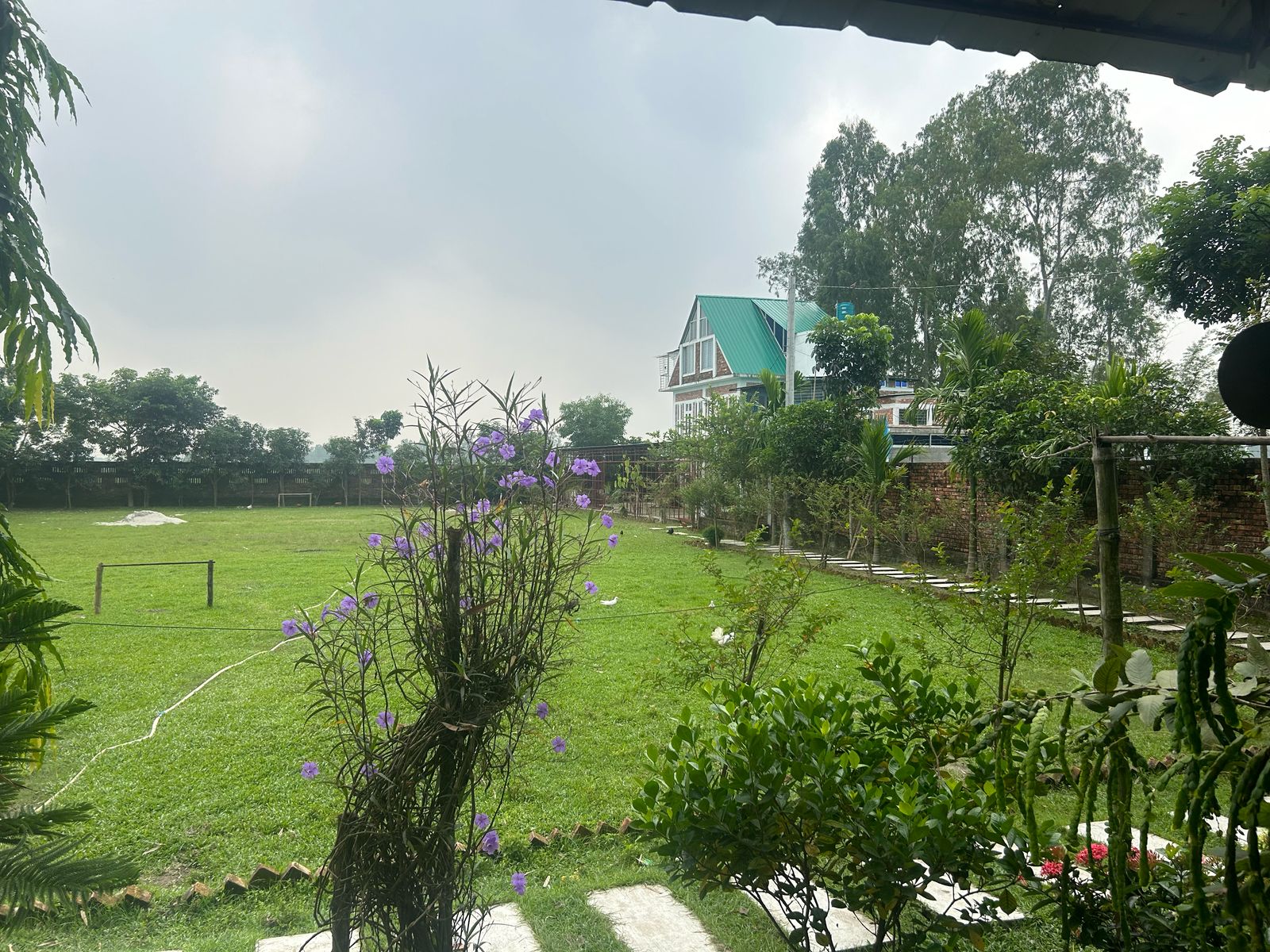
On a visit to a relative’s house outside the main city, my cousins and I took a stroll through the neighbourhood only to stumble upon a newly built school, one I hadn’t seen in my previous visits, particularly in an area which could be considered relatively remote.
My curiosity deepened further as I saw roughly a dozen young girls with bright green bags rush out the main entrance as the school bell rang at the end of schooltime, on their way to the local jhalmuri uncle right across the street.
Recognising one of the students, the 6 year old daughter of a local neighbor, I made my way up to her to know more and ask about what classes she had that day.

“We planted trees today, auntie! Look, they’re on the school field! ” little Fatema grabbed my hand and took me inside her campus showing me the line of green plated on one side of the school field.
“We had math, science, games today as well and during the break we planted trees!”, she excitedly exclaimed showing me around the school, taking me to her classroom and to the canteen area. The greenery, modern classrooms and interior surprised me. In a small locality like ours, such an institution was unique indeed.
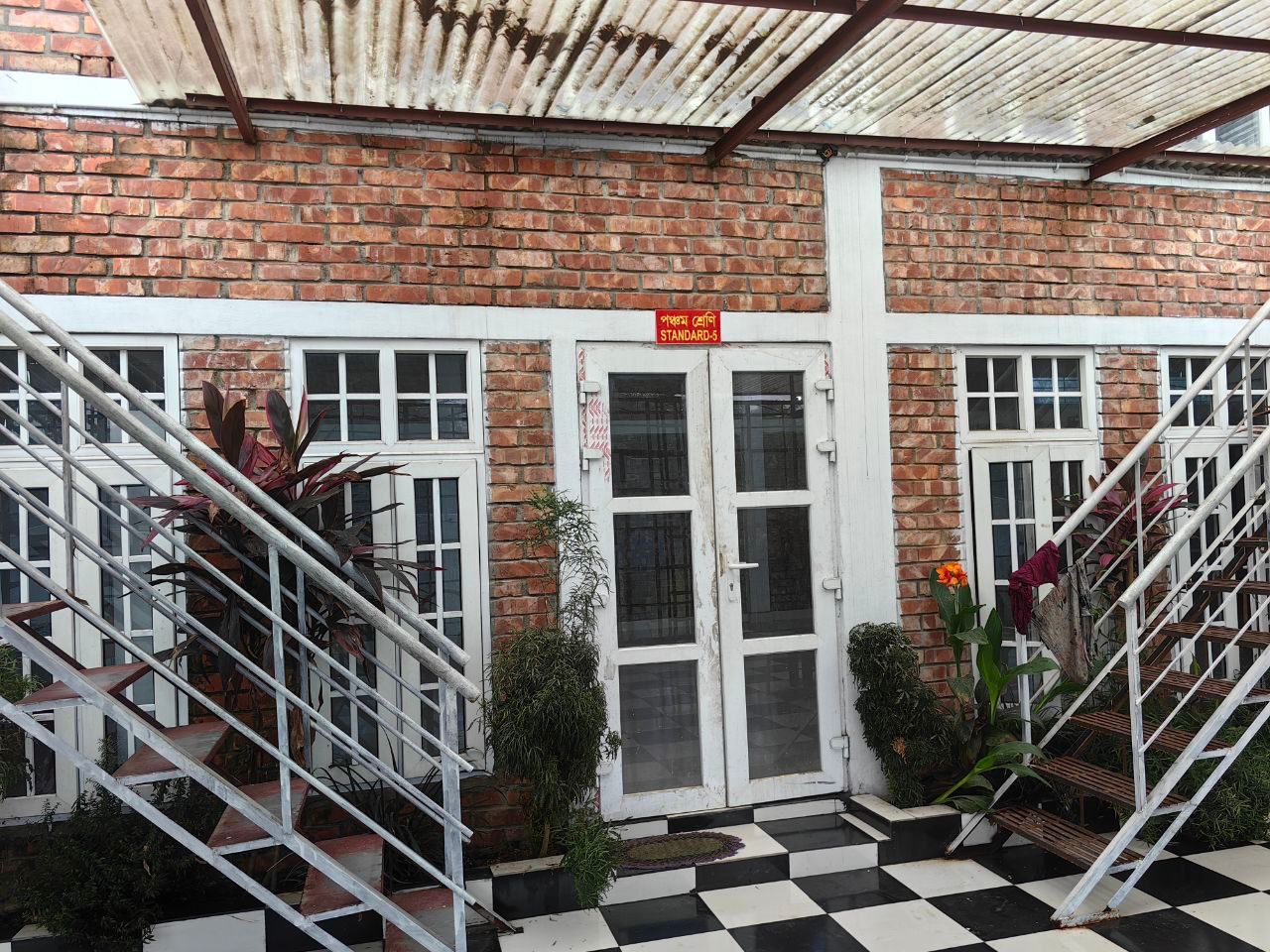
Speaking to a female teacher there, I learnt further that the school had materialised only recently and that too from the efforts of my very own colleagues, Dr Sayed Saikh Imtiaz, Professor of Women and Gender Studies at the University of Dhaka, and Dr Iftekharul Amin Shatil, Professor, IBA, University of Dhaka.
She elaborated on the school’s vision passionately, “Protissruti follows an inclusive model that welcomes children from diverse socioeconomic backgrounds. While it provides children from middle-class families to study in the residential facilities it provides full scholarships for orphans and disadvantaged students.




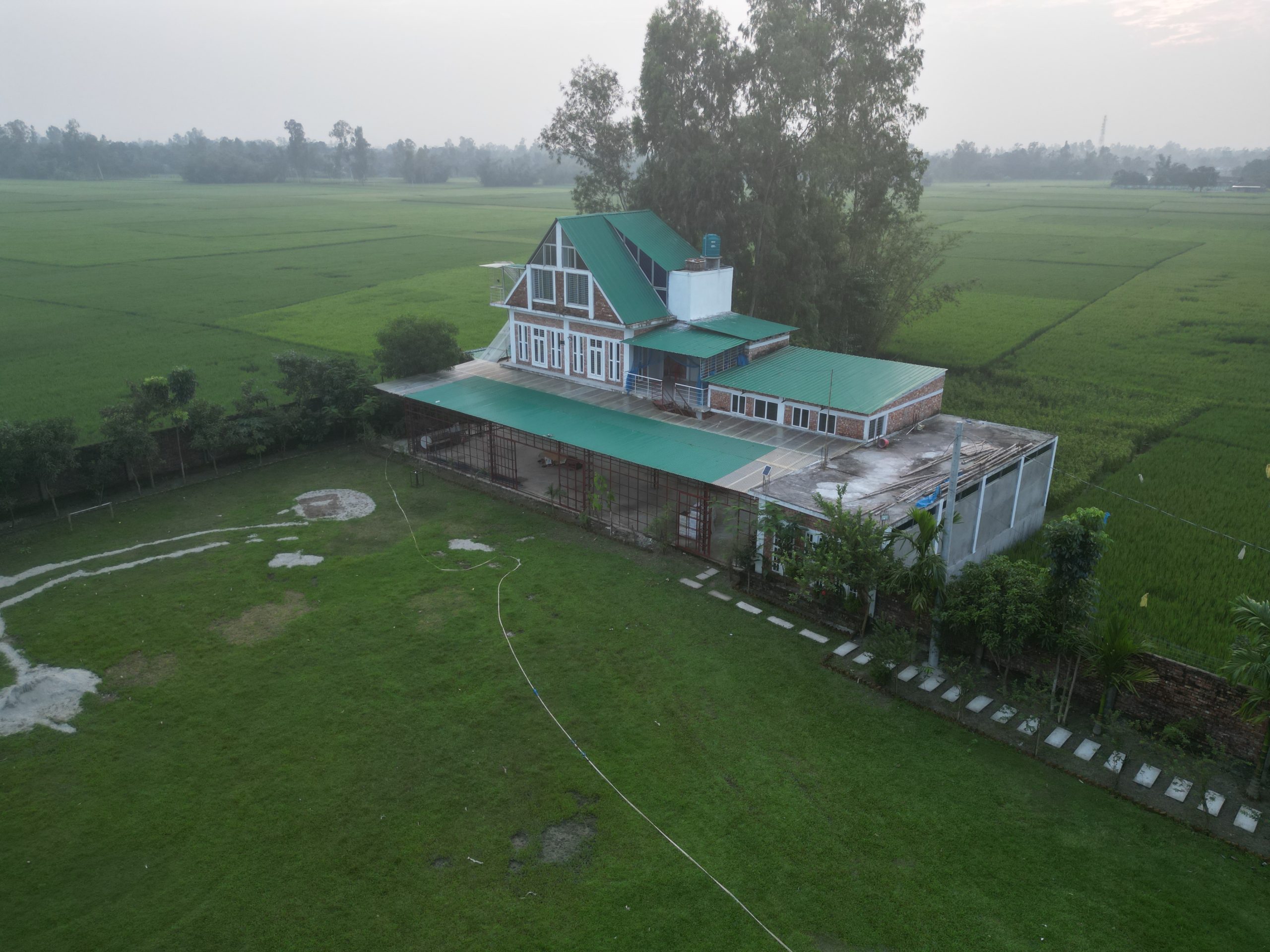
“This mix creates a genuine learning community where children grow by sharing, respecting, and understanding differences. We have two campuses – a city campus in Rangpur and the residential campus here. Here, at the residential site, children are surrounded by trees and open fields so they can learn peacefully.”
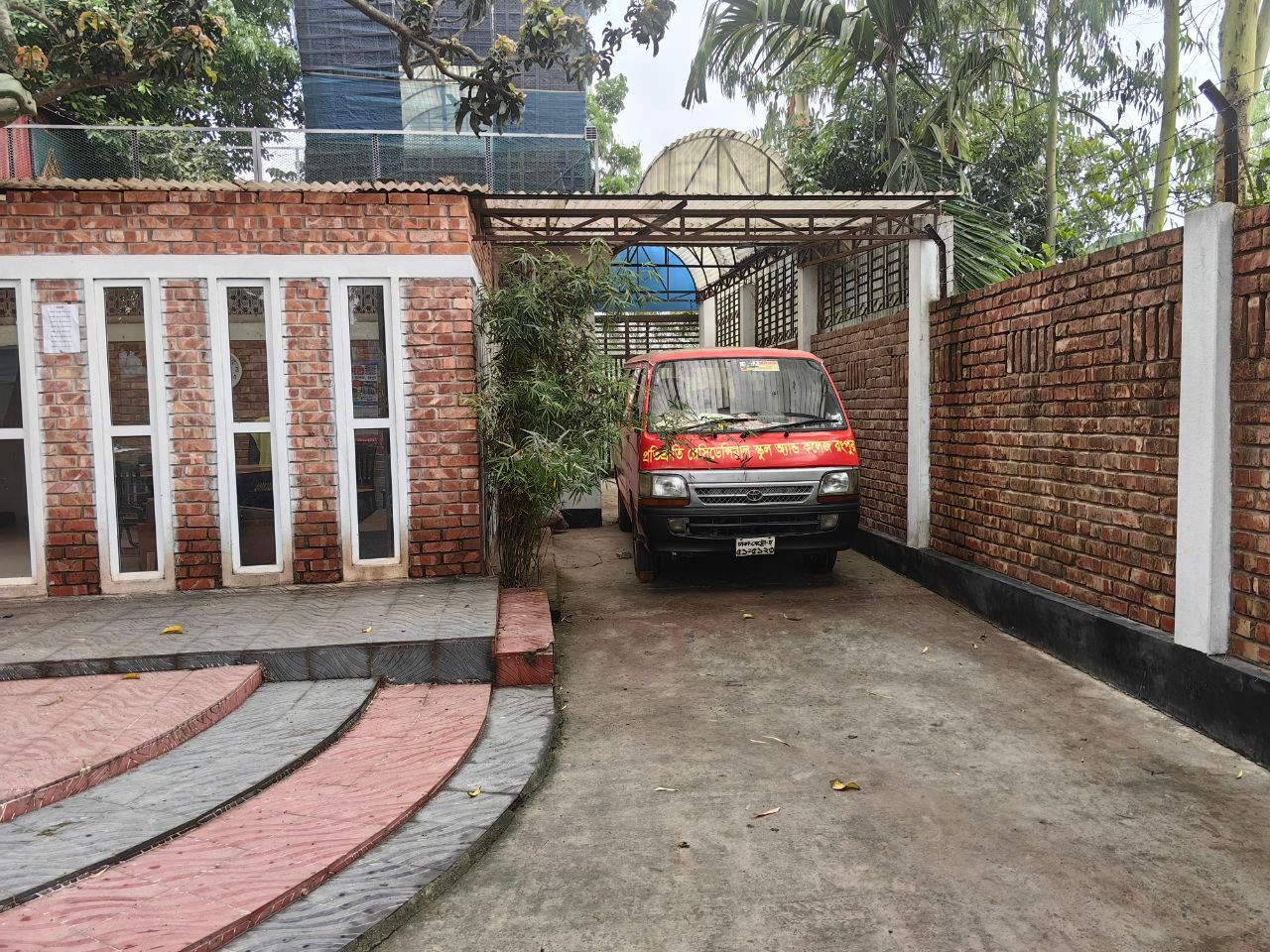
After spending an hour on the most beautifully landscaped campus, Fatema and I returned to our neighbourhood where I learnt further about the experience she was being exposed to at Protissruti from her mother, “Fatema has definitely become more curious and thoughtful. She talks about trees, fairness, and kindness which are things kids don’t normally learn from through books.
“The school makes the children interact a lot which develops them socially.”
She also mentioned how parents, teachers, and volunteers participate in weekend programs, workshops, and cultural festivals that blend traditional values with modern ideas of equality and sustainability.
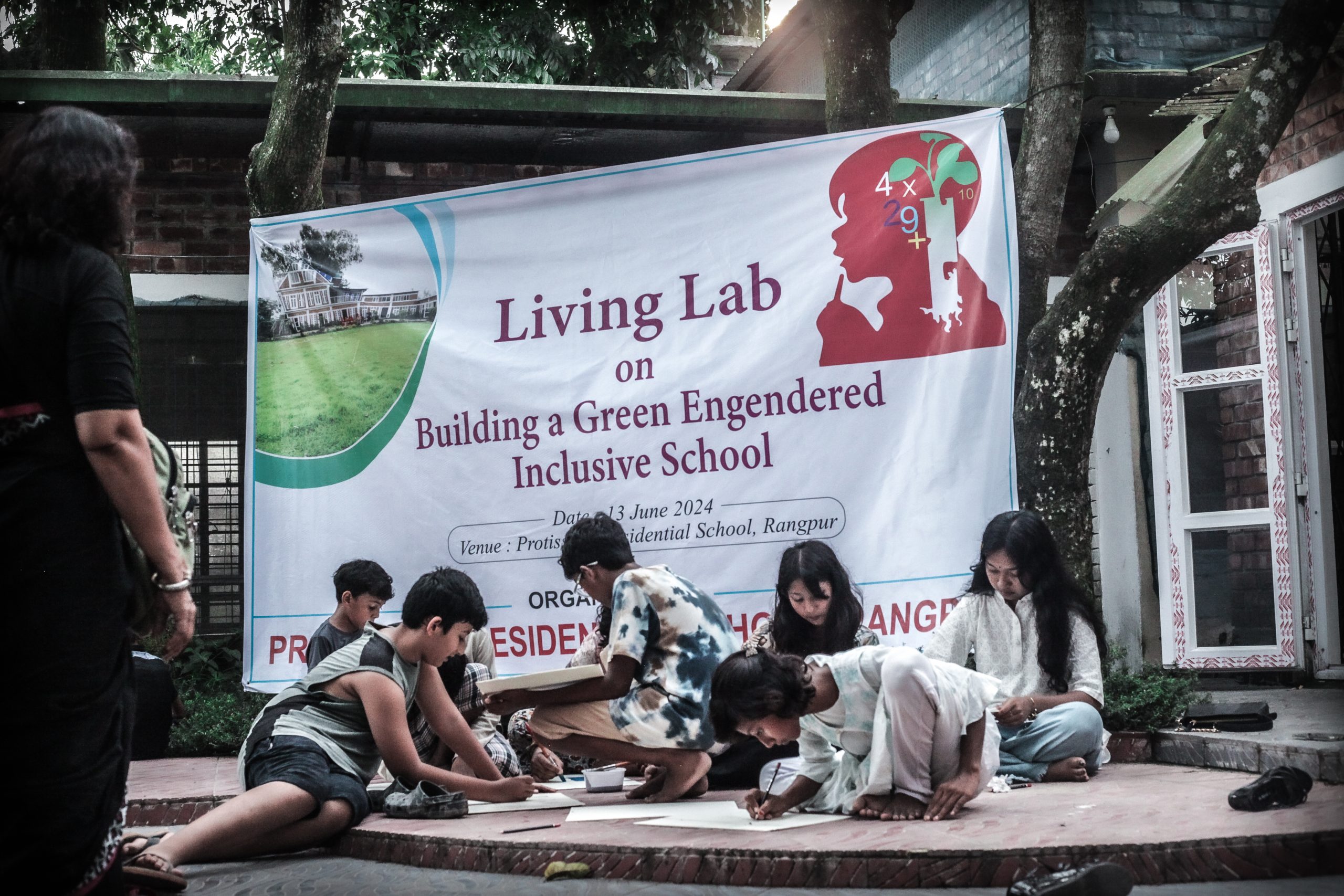
As I returned to Dhaka, I immediately contacted Dr Imtiaz to learn further about the school. I was overwhelmed as he explained how the first green school was on its way to being built in my very own hometown of Rangpur, “We envision making the first green school and what sets Protissruti apart even further is its commitment to sustainability.
“Classrooms use natural light and ventilation; rainwater harvesting, solar energy, and organic gardening are being developed to reduce the school’s ecological footprint.”
He further said, “We want children to see sustainability not as a lesson, but as a way of life. From planting trees to recycling, from conserving energy to rethinking consumption, our students learn that caring for the planet is part of caring for each other.”
He also expressed how Protissruti was deeply connected to his vision of linking education with social innovation, “As founder of Bangladesh’s first Design Thinking, Innovation & Gender Lab at the University of Dhaka, I am passionate about bringing an experimental and interdisciplinary spirit to the school.
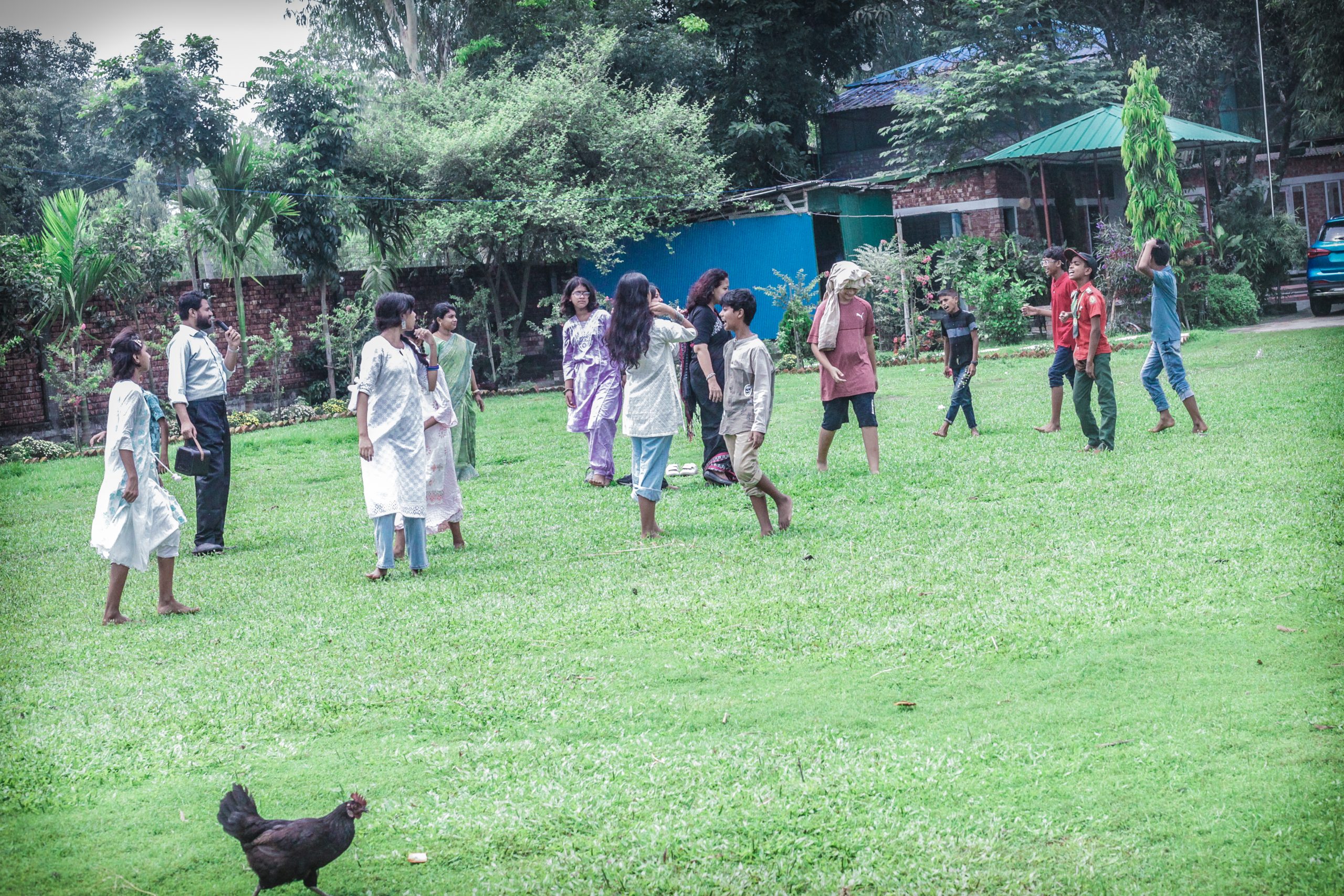
“Here, teachers and students are encouraged to solve real-life problems through creativity and empathy.”
Dr Imtiaz also emphasised on how the school dreams different, “The school’s approach includes activity-based learning, storytelling, art, and community work. Gender-sensitive teaching methods ensure equal participation and confidence among both boys and girls.
“Protissruti’s culture of care extends beyond the classroom which is why students are involved in gardening, cooking, and maintaining their surroundings, learning the dignity of shared work.”
The founders hope Protissruti will become a model for equitable and sustainable education in Bangladesh.
“We want to show that a school can be both excellent and compassionate, both modern and mindful of nature,” Dr Iftekhar mentioned. “Education should prepare children not only for careers, but for citizenship and for living responsibly in a shared world.”
When I asked them about why they had thought of starting the institution, they explained how it was a way to give back to their community which had given them so much.
“My mother, who is also from Rangpur, always wished to have a school for needy children and this resonated with me deeply. I see my mother’s vision also take shape through this institution and this is why I have put my heart and soul into it,” said Dr Imtiaz.
Indeed, Protissruti is a symbol of change, one that is sustainable and empathy driven. It offers hope for the people of Rangpur who have historically seen deprivation socio-economically. It paves the way for a future for the locals who can dream of their coming generations receiving quality education, effective training and sustainable living.
The author is an assistant professor of Criminology Department at University of Dhaka.