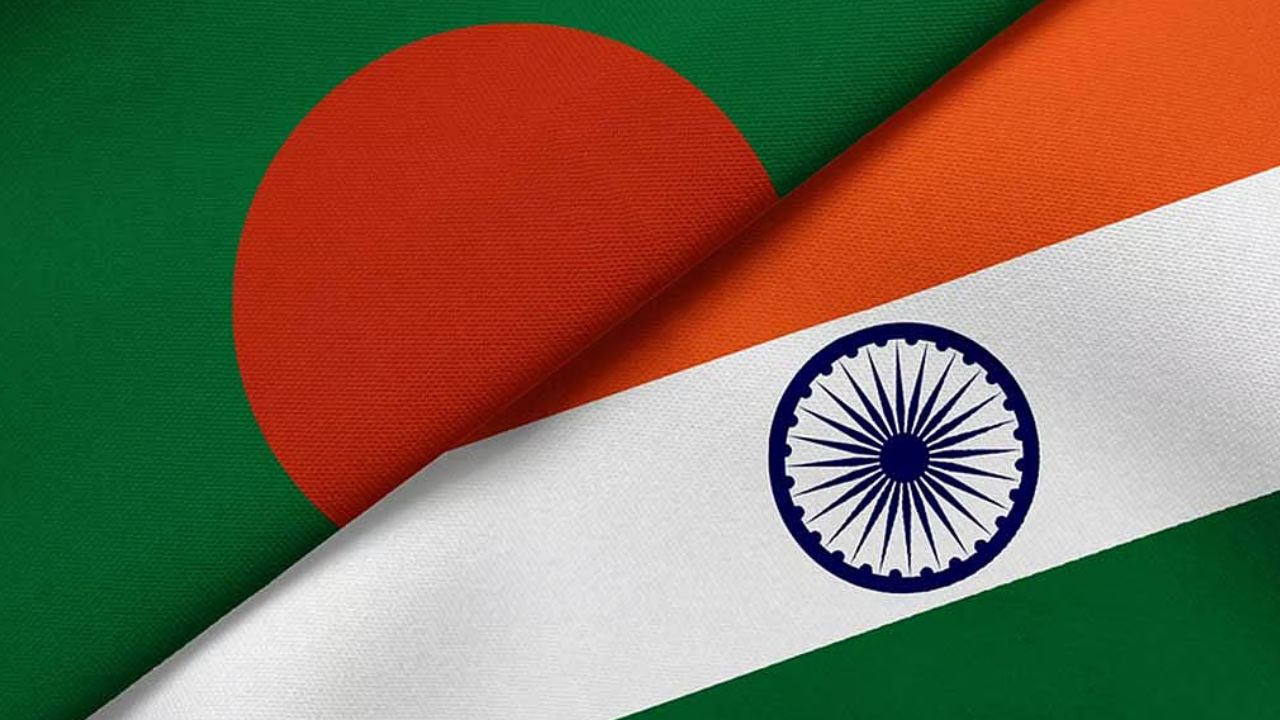
Prime Minister Tarique Rahman is holding back from visiting India for now as domestic political pressure mounts over several key unresolved bilateral issues.
Multiple political sources said a Delhi visit without visible progress on preventing deposed prime minister Sheikh Hasina from using Indian territory to destabilise Bangladesh and securing the return of those accused in the Sharif Osman Hadi murder case could trigger public backlash.
They said such a situation could give opposition parties, particularly the National Citizen Party (NCP), an opportunity to intensify political mobilisation.
Leaders of the ruling BNP, opposition Jamaat-e-Islami and the NCP, along with analysts, have echoed similar concerns, saying they support improved ties with India but want relations based on mutual interests, fairness, sovereignty and public expectations.
Political scientist Professor Dilara Choudhury told TIMES of Bangladesh that public sentiment remained sensitive over Hasina’s presence in India and her political activities.
“Most people in the country are not taking positively the attempts by genocidal Sheikh Hasina to destabilise Bangladesh while staying in India. India’s support in these efforts is clear,” she said.
Choudhury added that there were reports of differences within the prime minister’s party over the proposed India visit and that public pressure was also a factor.
However, she said the prime minister’s approach towards the visit was positive.

“If India creates a favourable situation, there will be no questions raised if the prime minister visits,” she said.
The Indian Lok Sabha Speaker, who attended Tarique’s swearing-in ceremony as prime minister, had extended an official invitation on behalf of Indian Prime Minister Narendra Modi for a visit to India. Tarique has also been invited to attend the Brics summit scheduled in New Delhi in September.
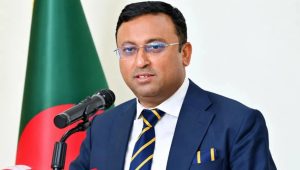
Amid discussions over a possible visit before the summit, foreign ministry spokesperson AKM Shahidul Karim said on Sunday that the prime minister would travel to India once a favourable environment was created.
“The prime minister will visit India once a favourable environment is created, including the extradition of former prime minister Sheikh Hasina, who is currently staying in India, and the return of fugitives accused of involvement in the Osman Hadi murder case,” he said.
The statement was seen as a clear diplomatic message from Dhaka that unresolved issues would require visible progress before a high-level visit takes place.



Responding to Dhaka’s position, Indian external affairs ministry spokesperson Randhir Jaiswal said at a weekly briefing in New Delhi on Tuesday that India had invited Tarique but had no fresh update on the matter.
“We have sincerely invited Bangladesh Prime Minister Tarique Rahman to visit India. At this moment, there is no new update on the matter from India’s side,” he said.
Speaking at a function on Tuesday evening, State Minister for Foreign Affairs Shama Obaed said, “Bangladesh wants to see effective measures to resolve bilateral issues for the prime minister’s India visit.”
Analysts viewed Delhi’s restrained response as a positive sign, saying India was aware of the domestic political sensitivities surrounding the issue.
The possible India visit has also triggered public positions from political parties.
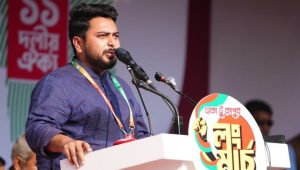
NCP Convener and opposition Chief Whip Nahid Islam said Tarique Rahman should not visit India until questions over Hasina’s extradition and the future direction of Bangladesh-India relations were addressed.
Speaking at an Inqilab Moncho programme in Shahbagh on Thursday, he said Hasina’s virtual speech from New Delhi on 5 August should also be viewed in the context of India’s role.
“Whatever Sheikh Hasina is saying from Delhi should not be viewed merely as Sheikh Hasina’s statements; these should also be considered as messages from Delhi,” he said.
Former ambassador M Humayun Kabir said both diplomatic and domestic political factors would influence the timing of the visit.
“There are diplomatic issues as well as political issues regarding the prime minister’s visit to India. It is difficult to say which one has greater influence. However, domestic politics in both countries plays a significant role in improving bilateral relations,” he said.
Rafe Salman Rifat, a member of the NCP’s International Relations and Diaspora Committee, told TIMES that the party wanted relations with India based on fairness.
“If India continues to shelter Sheikh Hasina and allows her to attempt to create instability, it will not be possible to build good relations with the country. Without improvement in this situation, the people of Bangladesh will not accept the prime minister’s visit to India positively,” he said.
The government is also approaching the matter cautiously as it faces economic challenges, energy shortages, supply concerns and production pressures. Officials believe the administration does not want additional political pressure over the India visit while dealing with these issues.
BNP International Affairs Secretary Nasir Uddin Ahmed Ashim told TIMES that the foreign ministry had sent a “soft reminder” to India.
“The message is that we cannot move forward unless these issues are resolved. The next step depends on how India responds,” he said.
Asked whether domestic political pressure had delayed the visit, he said public sentiment remained an important factor.
“Visiting a country does not automatically solve all problems. Relations with India should certainly improve,” he said.
Jamaat has not directly opposed the prime minister’s visit but has continued to demand the extradition of Hasina and other fugitives.
Jamaat lawmaker Nazibur Rahman told TIMES that the party supported better relations with India but wanted progress on unresolved issues.
“Jamaat does not oppose improving bilateral relations with a neighbour. But seeking better relations while providing shelter to murderers and perpetrators of genocide is unethical,” he said.
NCP, a key partner in the opposition alliance, has maintained a firm position. Party leaders said it could adopt a stronger stance if there was no progress on Hasina’s return and the accused in the Hadi murder case before the prime minister’s India visit.