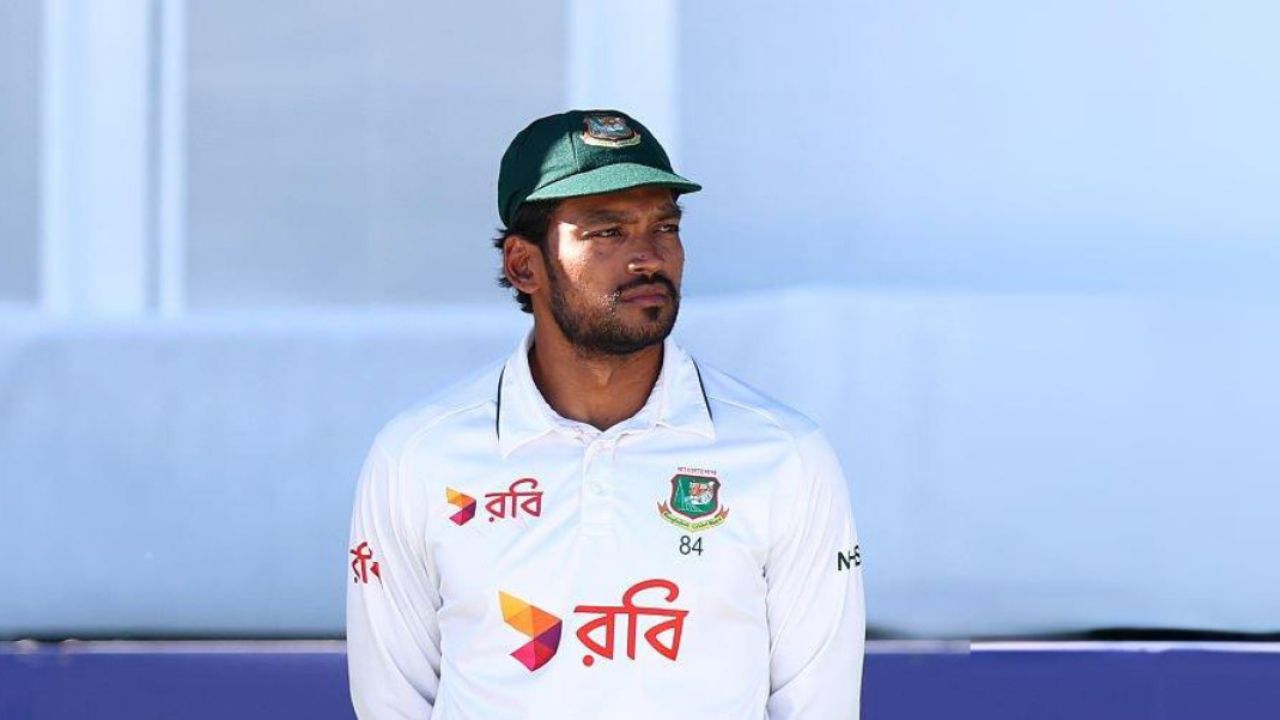
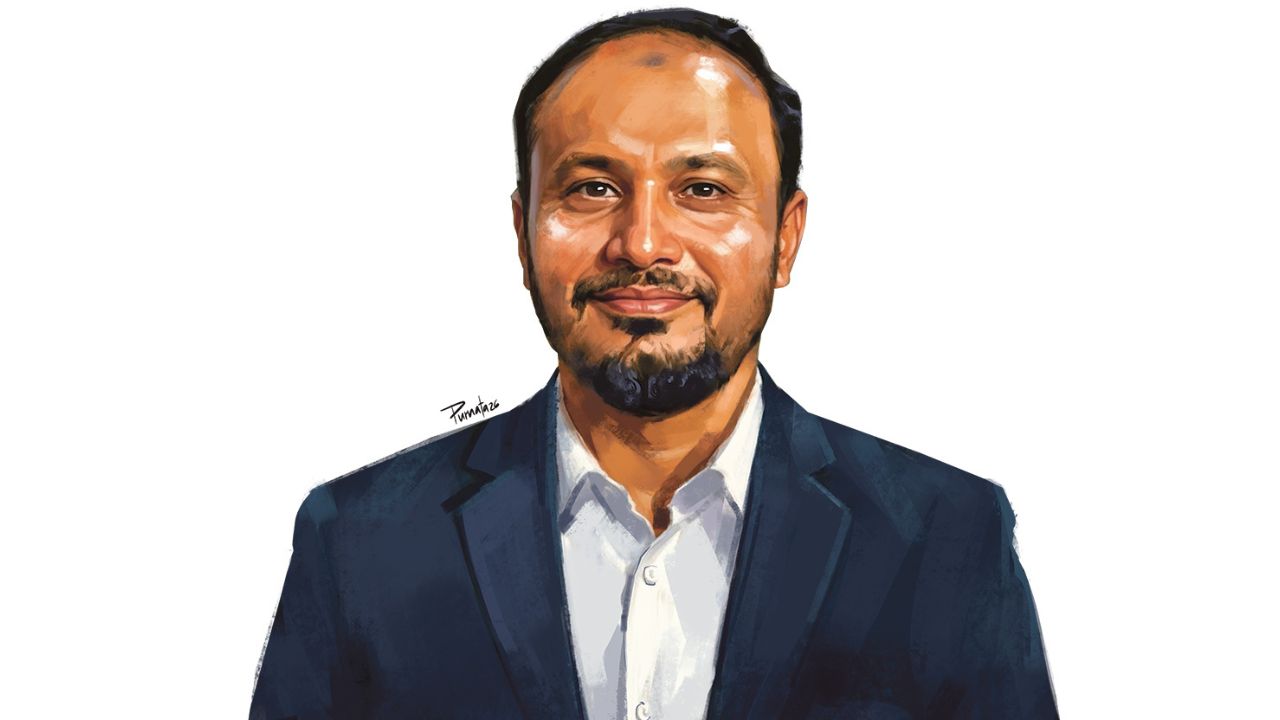



For Monir Hossain, Hasan Mahmud’s rise from Lakshmipur to becoming Bangladesh’s hero in Australia is deeply personal. The primary school teacher has coached Hasan since his early days, standing by him through setbacks, injuries and moments when he wanted to quit.
Speaking to Jubayer Tanin of TIMES of Bangladesh, Monir recalled Hasan’s journey and why he always believed the pacer was destined for something special.
How did you first identify Hasan?
Hasan was a madrasa student when he joined my cricket academy in early 2012 alongside his studies. He was already tall, with a smooth action, good accuracy and a natural outswing. His good-length deliveries would swing away without any technical adjustment from me.
That year, when the BCB’s Under-14 team was being formed through the districts, we selected him for the district side. Our first match was against Rangamati at Bandarban Stadium.
What did you see in Hasan at that age that made you trust him so much?
I dropped the bowler who had taken seven wickets in that game because I felt Hasan was a better bowler and had to back him. Hasan took only one wicket in the next match, but he bowled well and kept the batsmen under pressure, so I continued giving him eight to 10 overs.
We went on to become unbeaten champions, with Hasan taking eight wickets by the final. He then performed well at the divisional camp in Mymensingh and was called up to the national Under-15 setup. The following year, however, he was dropped from the first Under-16 camp.
After being dropped from the Under-16 camp, how did Hasan respond, and what did you do to get him back on the field?
I believe Hasan became a victim of personal hostility from a local coach. He was devastated, stopped coming to the ground and wanted to quit. I went to his house and convinced him and his father to bring him back.
The following year, he returned to the district Under-16 team and was called up to the Under-17 side. He initially missed out there too, but an injury gave him a chance against India in Cox’s Bazar, where he took 3/15 in 18 overs. That performance changed his path and eventually led him to the Under-19 setup.

Even after making the Under-19 setup, Hasan went through another difficult period. What happened then, and how did you bring him back?
At the start of his Under-19 journey, Hasan injured his hand, spent a long time out and missed the Asia Cup. After recovering, he was again left out of the final Asia Cup squad and wanted to quit.
I went to his house and pushed him and his parents to get him back to the ground because I believed he could play for Bangladesh. I also sought support from the local administration after his Under-19 call-up.
Eventually, I brought him back, while our late former pace bowler Mahbub AlaIm Jackie also kept urging me to get Hasan back, saying he could become a world-class player.
Hasan’s career also went through a very difficult period after another injury. How close was he to walking away from cricket, and what did you do to help him?
That injury was probably the toughest period of his career. He stopped playing and cut off communication with everyone. I tried to arrange his treatment and even offered to pay the cost (Tk400,000) in India if needed.
Eventually, the board arranged his treatment, including assessment in England, and after a long rehabilitation, Alhamdulillah, he returned to cricket.

When you look back at Hasan’s journey from Lakshmipur District Stadium to the international stage, what stands out to you most?
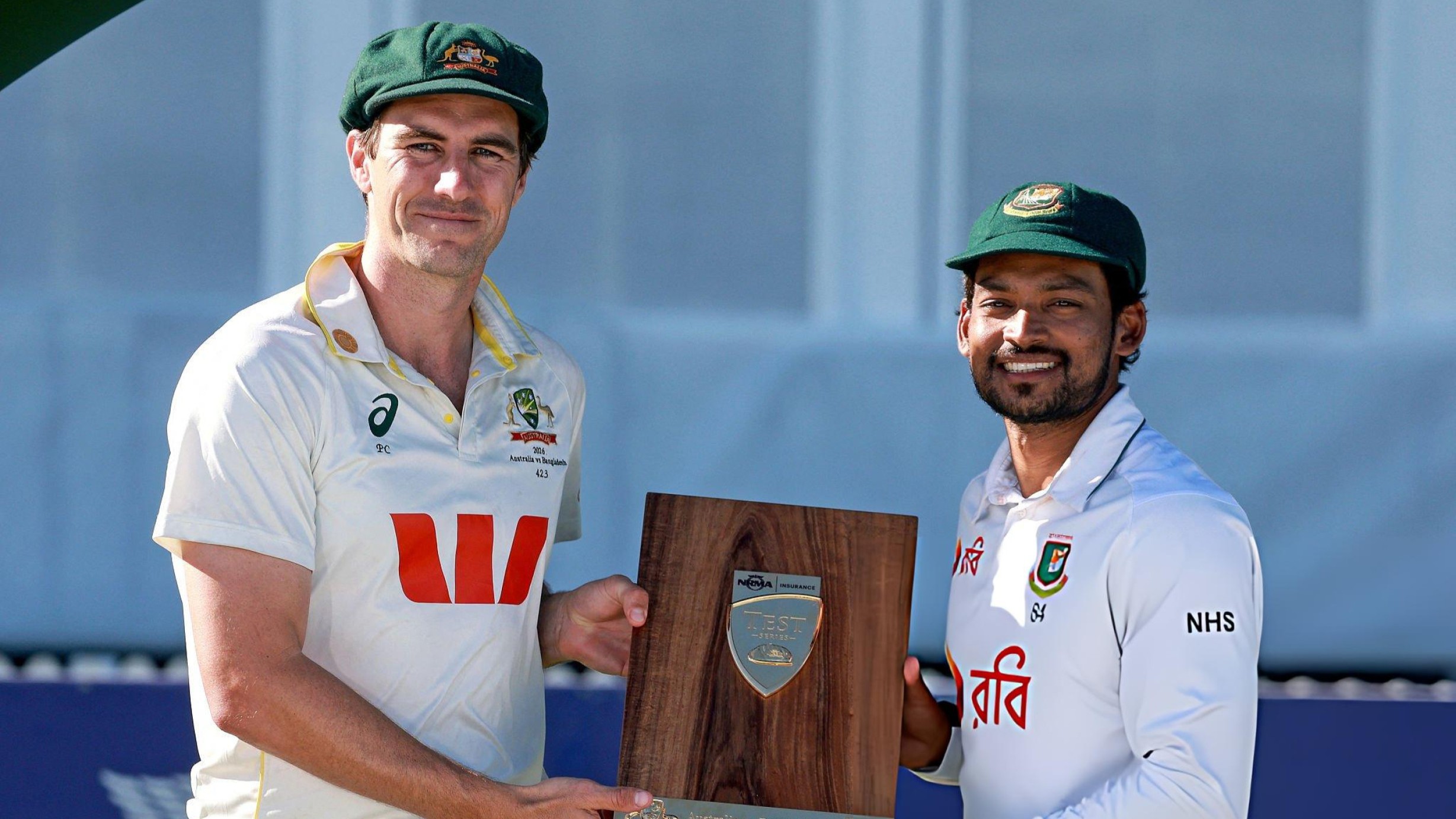
After years of ups and downs, he first came into the spotlight with his five-wicket haul against Ireland in Sylhet. But what he has done in Australia is on another level.
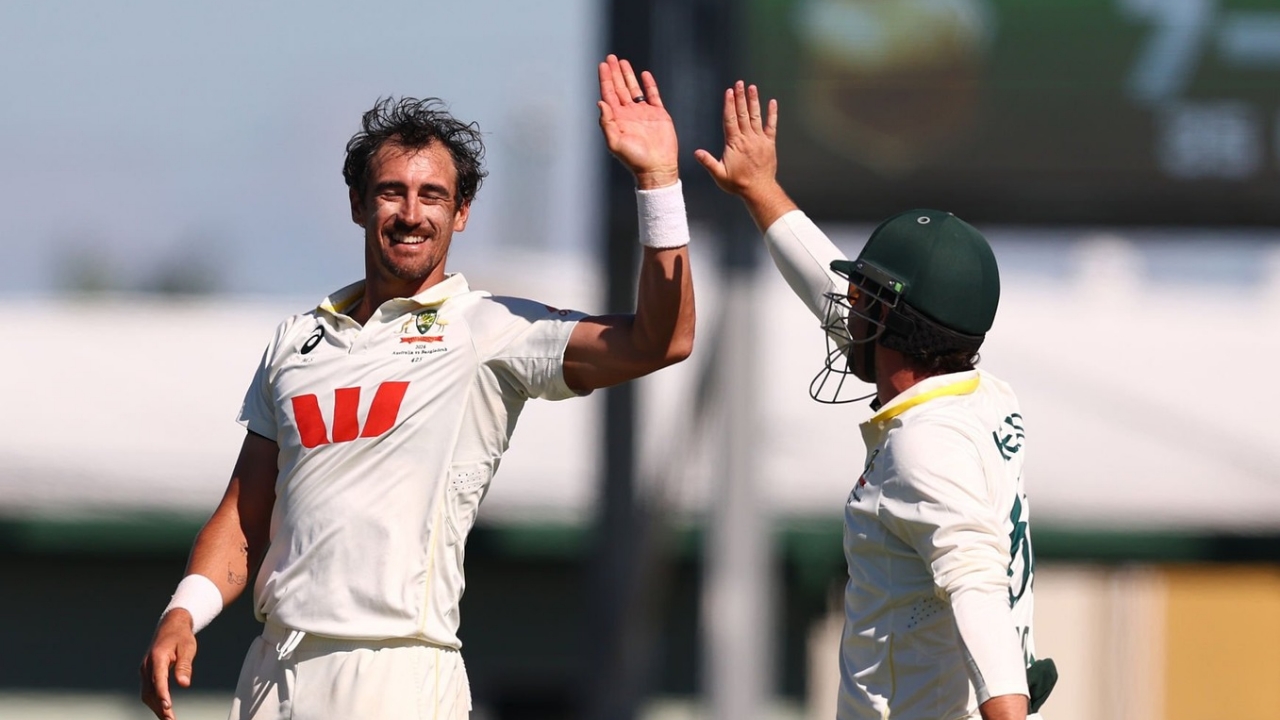
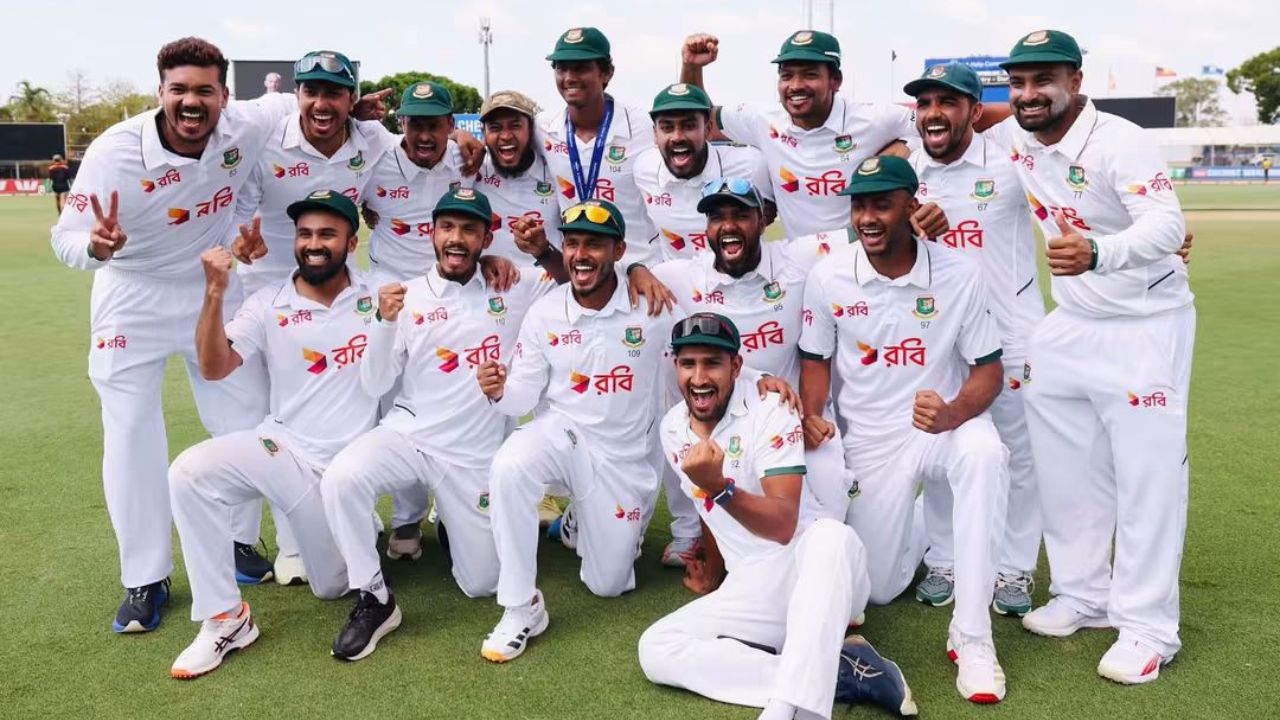
Australia once looked down on Bangladesh and even questioned our Test status. To now see Hasan, a boy from Lakshmipur, help Bangladesh beat Australia on their own soil is incredibly emotional for me. It’s one of the biggest achievements of his journey.
You were there through almost every difficult phase of his career. How satisfying is it to see him achieve this now?
It’s impossible to put into words. Seeing Australia beaten so comprehensively on their own soil by a boy from Lakshmipur whom I coached from a young age feels like a dream.
I always believed Hasan had the ability to succeed in conditions like Australia, England and South Africa. To finally see him prove it is an enormous source of satisfaction for me. Honestly, it makes me happier than even winning a World Cup might have.
What do you think helped Hasan deliver such a performance in Australia at this stage of his career?
To me, it shows how important experience and continuity are. Hasan had been on the Test track for a long time, especially after being outside the ODI and T20I setup. Playing county cricket also helped him immensely. The regular matches and training kept him in rhythm and ensured he was ready when the opportunity came.
What makes Hasan different from other players, in your eyes?
Let me give you an example. Hasan was already ready because he had been playing county cricket and then went straight to LPL and then went to the national team. He stayed in rhythm and kept himself prepared.
That’s a major difference because our players often get 15 days, a month or even two months between series and don’t always invest in keeping themselves ready.
Hasan stayed on that track, and I think that’s why his performance was so good. Alhamdulillah, I believe Hasan was born for cricket. From the beginning, I didn’t have to make any major changes to him.
Have you spoken to Hasan recently? Whenever he has a problem, does he call you and share things with you?
Not recently. But I can share a story. In New Zealand, I think he conceded 18 or 20 runs in the first over of a match. Hasan discussed it with me.
I told him, “Look at your previous matches. Go through them. Identify which ball you bowled the half-volley, which ball got hit and which balls beat the batsman. Look at what length you are getting hit.”
I told him to trust his stock ball. His stock delivery is so lethal that it would be extremely difficult for any batsman in Bangladesh, or even any batsman in the world, to play.
How good was Hasan at handling pressure from his early days, and is that something you always saw as one of his strengths?
I’ve known him since he was a child, and he was always good at handling pressure. In age-group cricket, if we needed nine or 10 runs from an over, we would give him the ball.
Even in district league matches, when the opposition needed only eight runs with three or four wickets in hand, he could bowl a maiden and take a wicket. He has always known how to handle pressure.
How did you motivate Hasan when you felt he could do better?
We’ve had many such conversations. For example, after he bowled 10 overs for 53 runs and took one wicket against the West Indies, I asked him if he was satisfied. He said yes, but I told him I wasn’t.
I told him that people ultimately look at the scorecard. They’ll see his runs and wickets, but they won’t see the 30 quality deliveries he bowled. I wanted him to understand that he needed to keep improving, regardless of what the numbers showed.
What are some things about Hasan that people may not know?
Honestly, Hasan is somewhat timid by nature. He is afraid of the dark, doesn’t like being alone and can get scared if someone speaks to him angrily. He also gets frustrated quite easily and can become upset over small things.
How do you look at the parallel journey you and Hasan have shared?
Hasan’s life has changed, but I’m still where I was, a primary school teacher who loves
cricket. His journey has taken him to the highest level, while I remain in the same place. But seeing what he has achieved gives me immense happiness.
Everything I’ve told you is natural because these moments are part of my life. I’ve lived through them with Hasan, so I don’t have to construct a story around them.