Pakistan’s Interior Minister Mohsin Naqvi has arrived in Tehran carrying a “special letter” for Iran’s Supreme Leader Mojtaba Khamenei, as Islamabad intensifies diplomatic efforts to end the 100-day-old United States-Israel conflict with Iran.
Naqvi met Iranian Interior Minister Eskandar Momeni on Saturday night to discuss regional developments and internal security matters. Iranian media reported the letter also included messages from Pakistan’s army chief and prime minister, according to Al Jazeera.
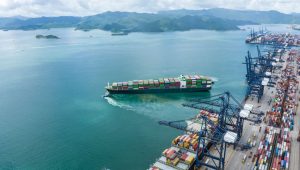
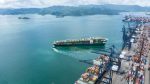
The visit comes as Gulf tensions escalate. On Sunday, the US Central Command said its forces had shot down two Iranian one-way attack drones that threatened international shipping in the Strait of Hormuz.
Earlier, US forces intercepted seven ballistic missiles headed for Kuwait and Bahrain, hours after downing four Iranian drones targeting the strait, a vital route for roughly 20 per cent of global oil trade.

The United States subsequently struck Iranian coastal radar sites in Garuk and on Qeshm Island to prevent further maritime attacks.
Gulf nations condemned the strikes. Bahrain labelled them “blatant aggression” while Kuwait called the attacks a “dangerous escalation”. Egypt, Jordan, and Qatar joined in the denunciation.
Bahrain hosts the US Fifth Fleet headquarters, underscoring the strategic sensitivity of the region.

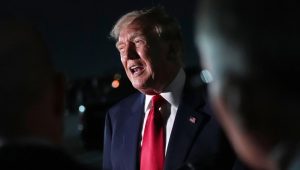
Negotiations to end hostilities continue but remain deadlocked. US President Donald Trump alternated between threats of renewed military action and cautious optimism about a diplomatic breakthrough, suggesting last Wednesday that a deal could be reached over the weekend. Iranian officials have taken a more measured stance.
Mohsen Rezaei, military adviser to Khamenei, told CNN that “negotiations are at a deadlock, and Trump must break this deadlock,” calling also for the release of approximately $24 billion in frozen Iranian assets.
The unfreezing of Iranian funds remains a major sticking point. US Treasury Secretary Scott Bessent is reportedly considering using the assets to support rebuilding efforts in the Gulf after Iranian attacks.
A US official said the Treasury will employ all available tools to provide Gulf allies with resources to repair potential future damage.
Other contentious issues include ending hostilities across all fronts, including Lebanon, lifting sanctions on Iranian crude exports, removing a US port blockade, and control over the Strait of Hormuz.
The conflict began on 28 February when the US and Israel launched strikes against Iran. Tehran responded with missile and drone attacks targeting Israel, US assets, and neighbouring Gulf countries, and declared the Strait of
Hormuz closed to vessels without its permission. The move disrupted global oil markets and pushed prices to multi-year highs.
A temporary Pakistan-mediated ceasefire, initiated on 8 April, largely reduced direct hostilities. However, talks in Islamabad collapsed on 12 April, and proposals to end the war have since been exchanged through Pakistani channels. Sporadic flare-ups have heightened fears that large-scale fighting could resume.
Naqvi’s visit represents Pakistan’s latest attempt to revive dialogue and stabilise a region under growing strain from sustained conflict, key strategic chokepoints, and escalating military confrontations between major powers.