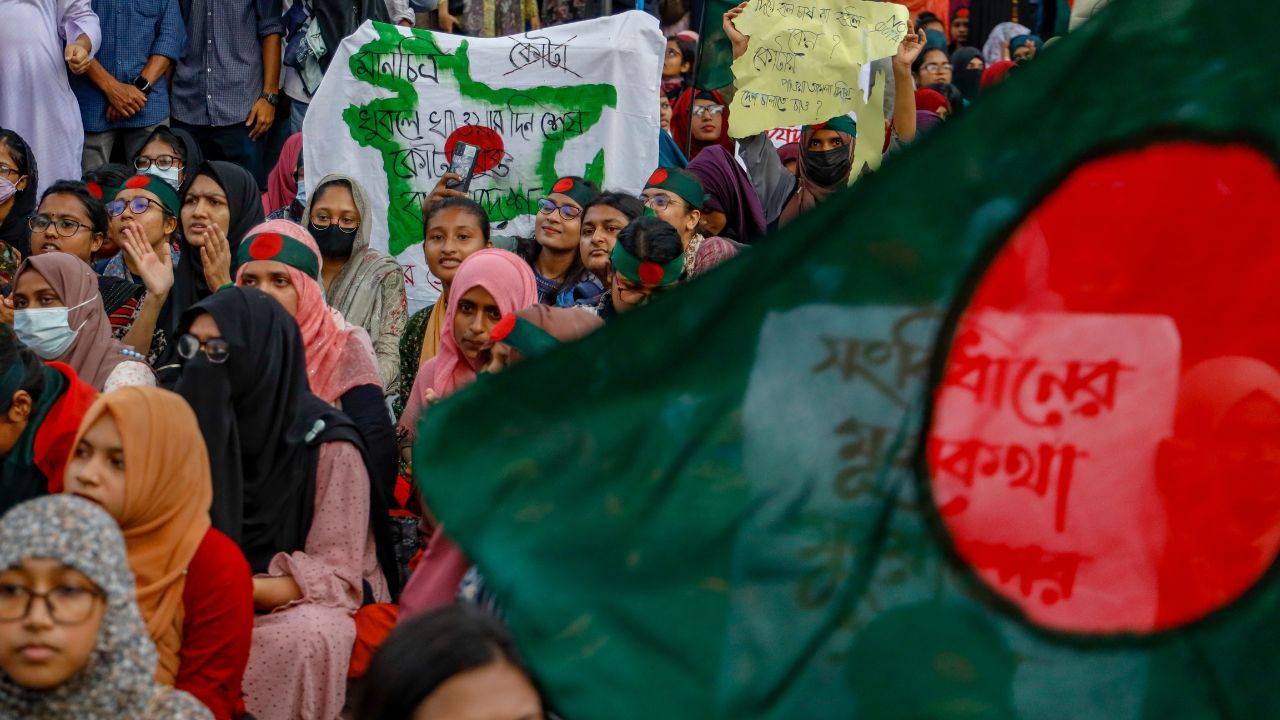
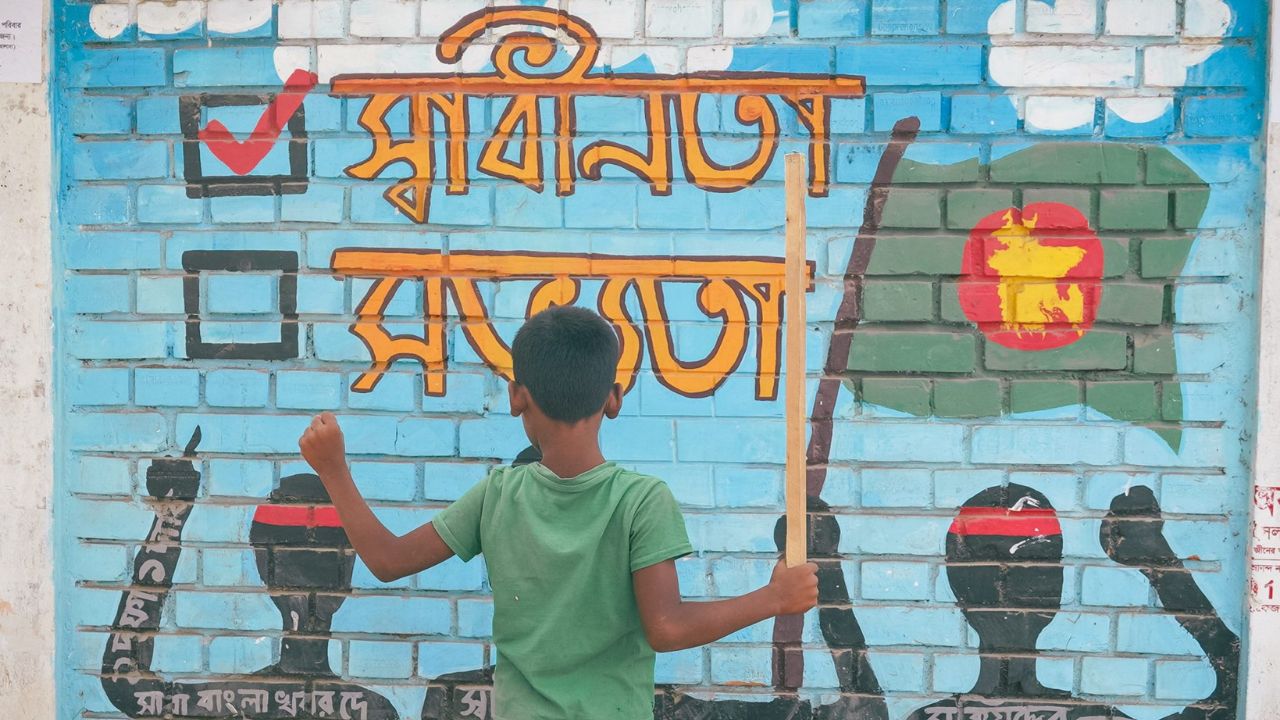
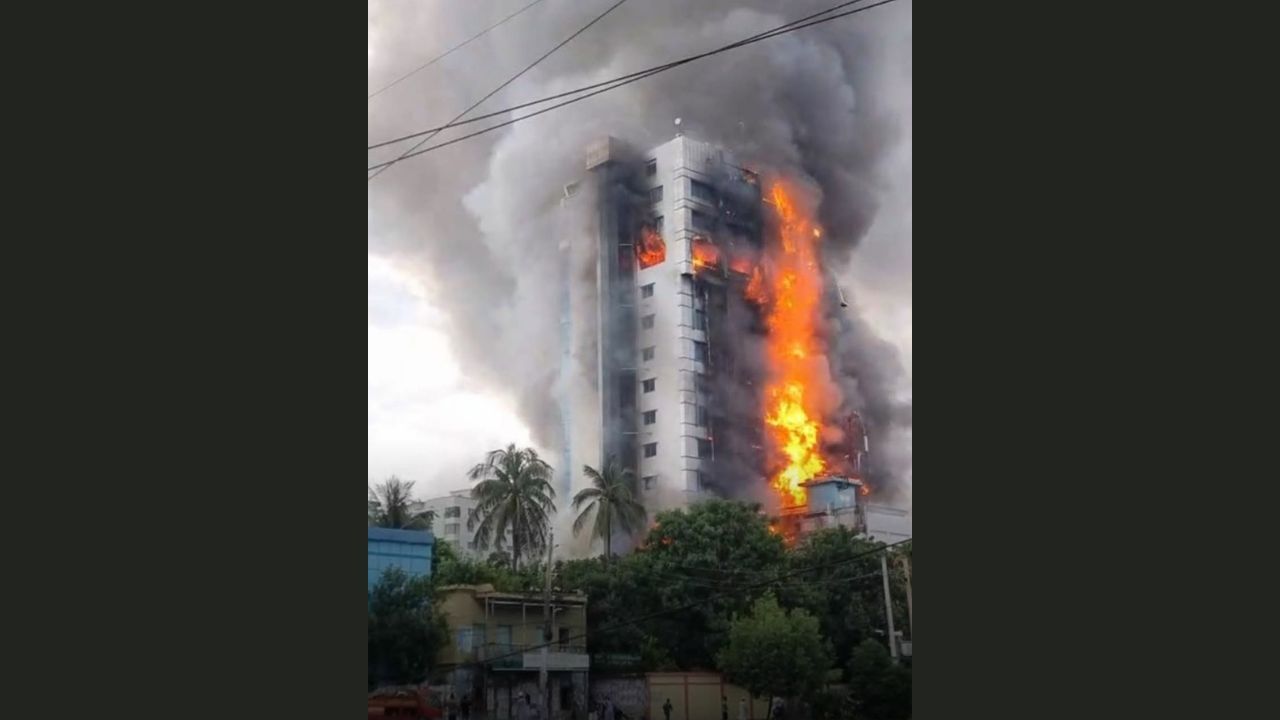
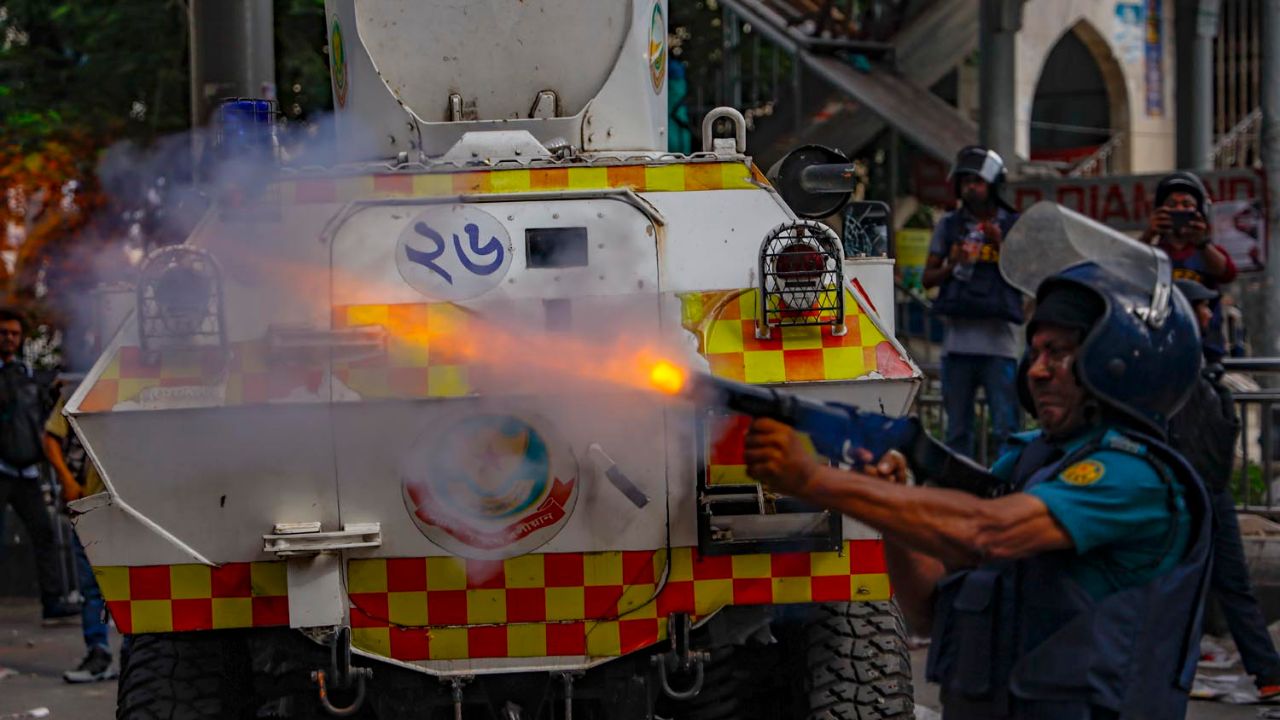
In the quiet early hours of a July morning in 2024, the Siddhirganj neighborhood in Narayanganj awoke not to birdsong, but to chaos. Protesters had filled the streets demanding an end to discrimination, and helicopters thundered overhead as law enforcement attempted to control the unrest.
Amid the noise, Sumaiya Akter, a 20-year-old mother, stepped onto the balcony of her sixth-floor home with curiosity and concern.
Moments earlier, she had gently put her two-month-old baby to sleep—a baby she’d carried with love and hopes that stretched far into the future. But the future she envisioned was stolen in an instant.
A stray bullet pierced the iron grille of her balcony and struck her in the head. She collapsed beside her mother, Asma Begum, who stood frozen for a few seconds in disbelief.
“I thought she had fainted,” Asma recalled, tears streaming down her face. “I kept calling her name, hoping she would respond. But she didn’t. My daughter was gone… shot right in front of me, and I couldn’t protect her.”

Sumaiya’s death left a profound silence in a home that once echoed with lullabies and quiet dreams for a better life. Now, two mothers mourn—Asma, who lost her daughter in an instant, and the tiny infant, too young to understand that she will grow up without the warmth of her mother’s embrace.
“She had so many dreams,” Asma whispered. “She wanted to finish her studies, raise her daughter well, maybe even start a small business one day. She was so full of life.”


No one knows who fired the bullet, or why it had to end up in the home of a young family far from the protest lines. What remains is grief—and a haunting reminder of how the consequences of unrest often fall hardest on those farthest from its cause.
As protest slogans fade and news headlines shift, one apartment remains forever changed. A cradle sits quietly in a corner, its occupant stirring in sleep—unaware that her mother will never return to hold her again.
Born and raised in Mehendiganj of Barishal, Sumaiya was the daughter of the late Salim Matbor, a security guard who passed away during the COVID-19 pandemic. Life had not been easy, but Sumaiya carried a quiet resilience. She was married young and moved in with her in-laws in Cumilla, where she gave birth to her first child. After her delivery, she came to Siddhirganj in May 2024 to stay with her mother for a few months of postpartum rest and care.
“She was supposed to return to Cumilla soon,” Asma said, cradling the infant in her arms, now motherless. “She missed her husband. She talked about raising her daughter there. But now… all that’s left is silence.”
Sumaiya was buried in a local graveyard in Siddhirganj, far from her father’s resting place in Barishal, and from her husband’s home in Cumilla. Her young life was ended not by illness or accident—but by a bullet that had no name, no reason, no justice.
Now, her mother is left holding the baby she never expected to raise.
“First I lost my husband. Now my daughter,” Asma whispered. “I don’t know how I will raise this child, but I will. For her. For Sumaiya.”
In a world consumed by noise—of protests, politics, and power struggles—the quiet grief of one family remains unheard. A baby will grow up never knowing her mother’s laughter, only her absence.
This was not a tragedy of war. It was not a headline of conflict. It was the everyday life of a young mother caught in the crossfire of a country’s unrest. And it cost her everything.