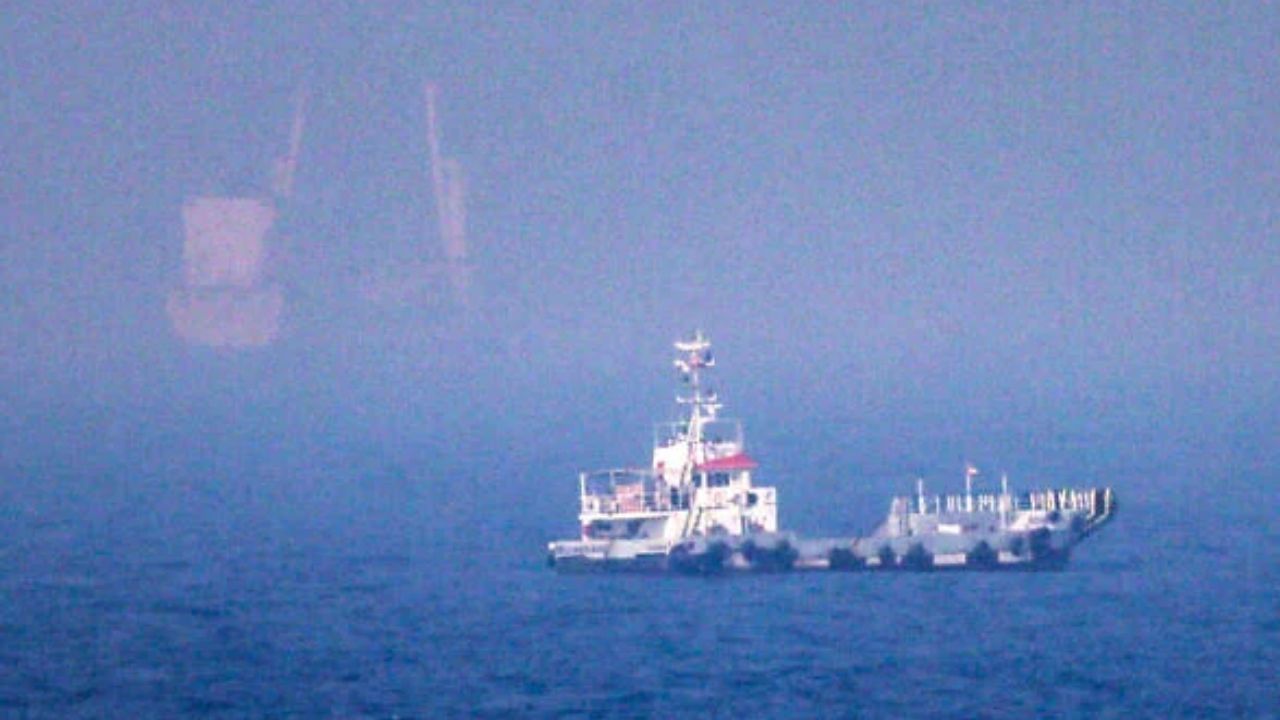

Oman has put forward a plan, backed by Gulf states, for managing the Strait of Hormuz that would include voluntary fees for vessels using the waterway, a Gulf source and a Western diplomat told Reuters on Tuesday, as talks continue in an effort to end the disruption to global trade caused by the US-Israeli war on Iran, reports Reuters.
The proposal could provide a basis for restoring the flow of shipping through the strait, which carried around a fifth of the world’s oil and liquefied natural gas before the conflict began.
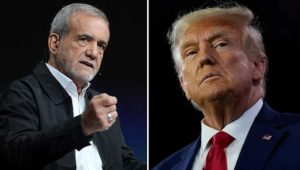
US President Donald Trump, who abruptly halted a fortnight-long American bombing campaign over the weekend in his latest reversal of strategy, said “good talks” were under way with Iran, though he warned that strikes could resume if negotiations failed to produce results. Iran denies seeking to reopen talks with Washington.
The United States launched its renewed bombing campaign earlier this month in an attempt to break Iran’s grip on the strait.
Tehran had effectively closed the waterway to all vessels bar its own after the US and Israel struck on 28 February, and although a deal reached last month between Washington and Tehran partially reopened the strait, the arrangement collapsed in early July after Iran opened fire on ships using a channel it does not recognise.

Iran has said it wants to manage the strait jointly with Oman, which sits on the opposite shore, and to levy service charges on vessels passing through. Washington, by contrast, wants a return to the pre-war arrangement under which ships passed freely without payment, and argues that mandatory fees would be unlawful.
Under the Omani proposal, Iran would not hold sole control of the strait, and any fees paid would be voluntary rather than compulsory, according to the Gulf source and the Western diplomat briefed on the matter.
The arrangement would mirror the system already in operation in the Strait of Malacca in Asia, where Indonesia, Malaysia and Singapore invite passing ships to make voluntary contributions towards navigation, environmental protection and search-and-rescue services.




The Western diplomat likened the scheme to a voluntary carbon levy on air travel, whereby passengers buying a ticket can opt to tick a box and pay extra to offset their emissions.
As of Monday evening, Iran had yet to give a formal response to the proposal, the Gulf source said, though Omani officials held talks with their Iranian counterparts in Tehran over the weekend.
Iran’s Foreign Minister Abbas Araqchi discussed the Strait of Hormuz with his Omani and Saudi counterparts on Monday, stressing the need for regional cooperation, according to a statement from Iran’s Foreign Ministry.
Trump had called off the latest round of air strikes after being advised by military commanders that the campaign had achieved its objectives.
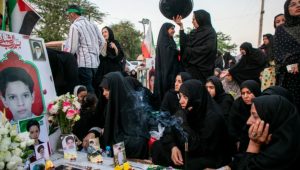
Over 13 nights, the renewed US bombing killed dozens of people in Iran and destroyed bridges and tunnels across the south of the country, in addition to military sites. Iran retaliated with attacks on US bases in neighbouring states that killed four American service members, along with strikes on civilian infrastructure in Gulf countries, which Tehran said were in response to US strikes on civilian targets.
Iran has said it will hold its fire so long as Washington does the same, though drone attacks were reported in Jordan, Saudi Arabia and northern Iran on Monday, with Jordan reporting the downing of a further drone on Tuesday.
Speaking on Monday, Trump struck an optimistic tone over prospects for ending the five-month conflict, saying: “I think there’s a good chance that something could happen, and if it does, good, if it doesn’t, we go back to doing what we were doing two days ago.”
He nonetheless warned that US strikes would resume should negotiations fail to produce results. Iran maintains it has not sought fresh negotiations with the United States, and accuses Washington of breaching last month’s agreement.
Trump is due to meet Israeli Prime Minister Benjamin Netanyahu in Washington on Tuesday. Although Israel took part in the initial bombing campaign, it has played no role in the subsequent peace talks, and relations between the two leaders have reportedly been strained of late.
Trump has also had to restrain Netanyahu from striking targets in Lebanon aimed at weakening Iran-backed Hezbollah fighters, a factor that has complicated peace efforts with Tehran.
News of the halt to the US bombing campaign sent oil prices tumbling by around 8% on Monday, with the decline continuing into Tuesday; Brent crude futures had fallen more than 2.5% to around $86 a barrel by mid-morning.
Washington and Tehran agreed a framework for talks in June, intended to take place by the end of August and aimed at resolving major outstanding issues including Iran’s nuclear programme, though the two sides remain at odds over the wording concerning the strait — with Washington insisting it guarantees free passage, and Iran arguing it grants Tehran authority to oversee transit.