Myanmar’s military-backed government on Friday rejected a ruling by the International Court of Justice (ICJ) that its security forces carried out state-sponsored genocide against the Rohingya, calling the verdict unfair and saying the country had been unjustly accused, according to reporting from different agencies.
Khaing Khaing Soe, spokeswoman for President Min Aung Hlaing, told a press conference in the capital Naypyitaw that the verdict was not unanimous. “Our country was unjustly accused,” she said. “I want to say that this decision is not a unanimous decision by everyone, it is not fair.”
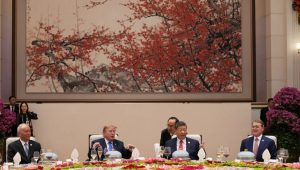
The government would need time to study the ruling, according to Myanmar Now. Asked for a response, Soe said major world leaders had previously said “political bodies” similar to the ICJ “should not abuse their judicial authority”, also referring to the positions of President Donald Trump, President Xi Jinping and President Vladimir Putin on international judicial institutions.

Min Aung Hlaing was the commander-in-chief during the 2017 operation, before he assumed power in a 2021 coup. The government has claimed it acted against insurgents during the operation.
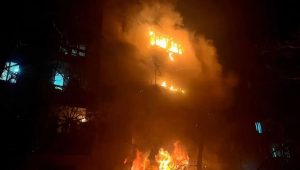
Judges found that the military carried out mass executions of men and boys, committed widespread rape and sexual violence against women, and burned or razed hundreds of villages during the so-called clearance operations in northern Rakhine State in 2017. According to evidence presented to the court, the military killed about 100,000 Rohingya. The operations drove more than one million into Bangladesh.

The ruling was the fourth time since the Nazi Holocaust that an international court found the legal threshold for genocide had been met. The court’s 191-page judgment also referenced a Reuters investigation into the killing of 10 Rohingya in Inn Din on 7 September 2017 and the subsequent arrest of two of its reporters, who were held for more than 500 days.
Rulings by the ICJ, which settles disputes between states and rules on alleged breaches of international treaties, are final, but the court has very limited options to enforce them.
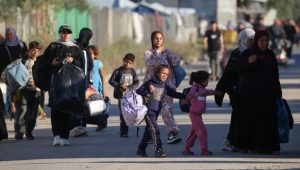
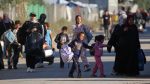
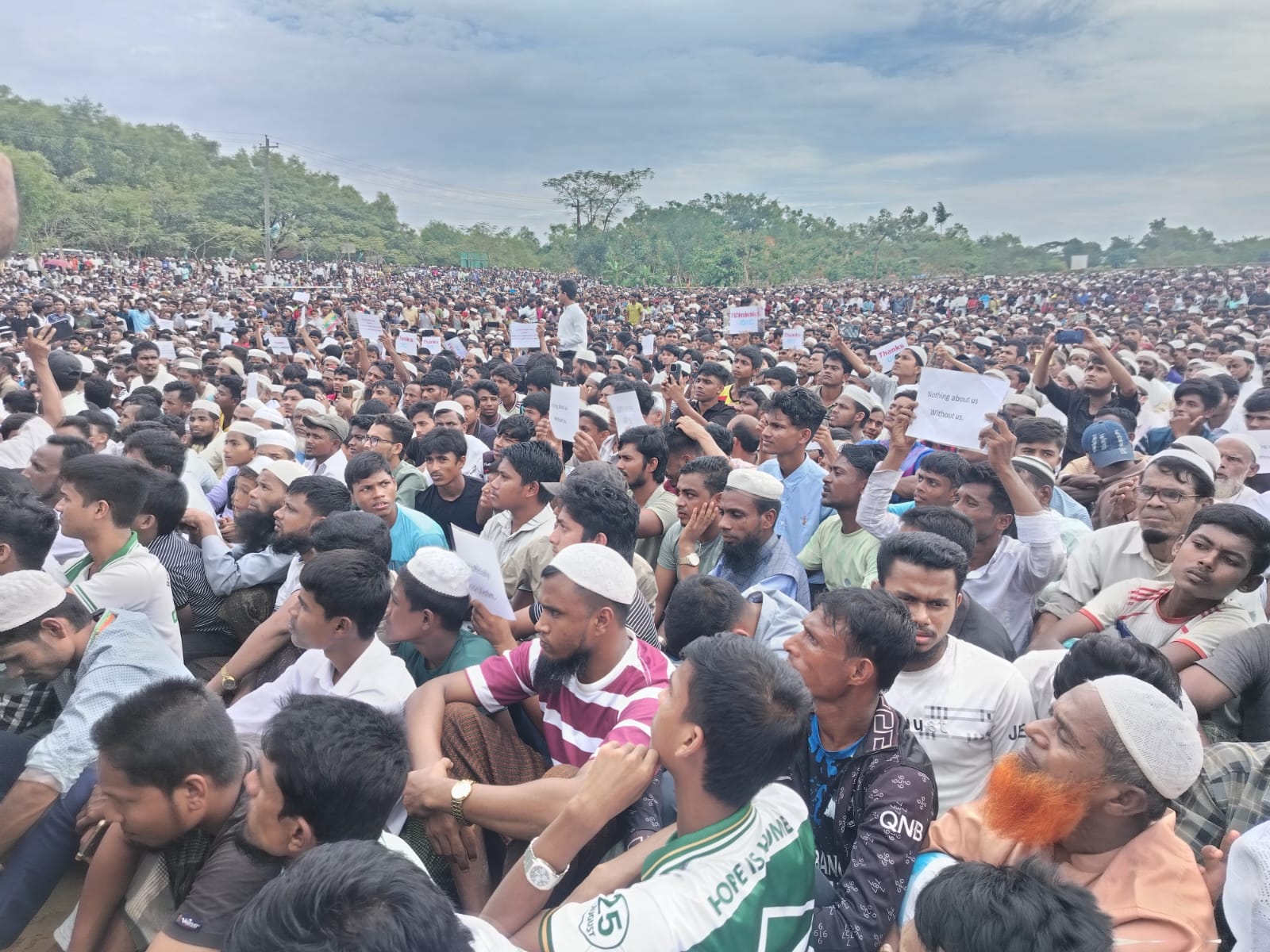
Thousands of refugees in sprawling camps in Bangladesh celebrated the verdict, though it remains unclear when they will be able to return home. The mainly Muslim Rohingya have long been persecuted in Buddhist-majority Myanmar and face escalating violence in their war-torn homeland, while 1.2 million of them live in worsening conditions in crowded camps in Bangladesh.
At the camp in Cox’s Bazar, refugees reacted with a mixture of joy and anger. Mohammad Rofik, a Rohingya community leader, called the verdict “a victory” because it recognised the genocide and the suffering they had endured, but said it was “not an end” to their ordeal. “Justice has started,”, adding that the Rohingya still have “a long way to go”, said Rofik.

For Sayed Ullah, another community leader, the ruling was a historic recognition that the Rohingya are a distinct ethnic group. “Myanmar denies the existence of the Rohingya, but now the court made it clear,” he said. Mohammad Osman said the international community should punish Myanmar’s authorities. “Based on this ruling, the entire Rohingya community is calling on…the world to impose severe punishment on Myanmar,” he said.
Rights groups also urged countries to impose military and economic sanctions on Myanmar. Bangladesh’s government, which hosts the refugees, said on Thursday that repatriation of the Rohingya remains the only viable solution to the crisis and that the judgement should serve as a critical catalyst for their safe return. It urged the international community to ensure full and expeditious implementation of the verdict.