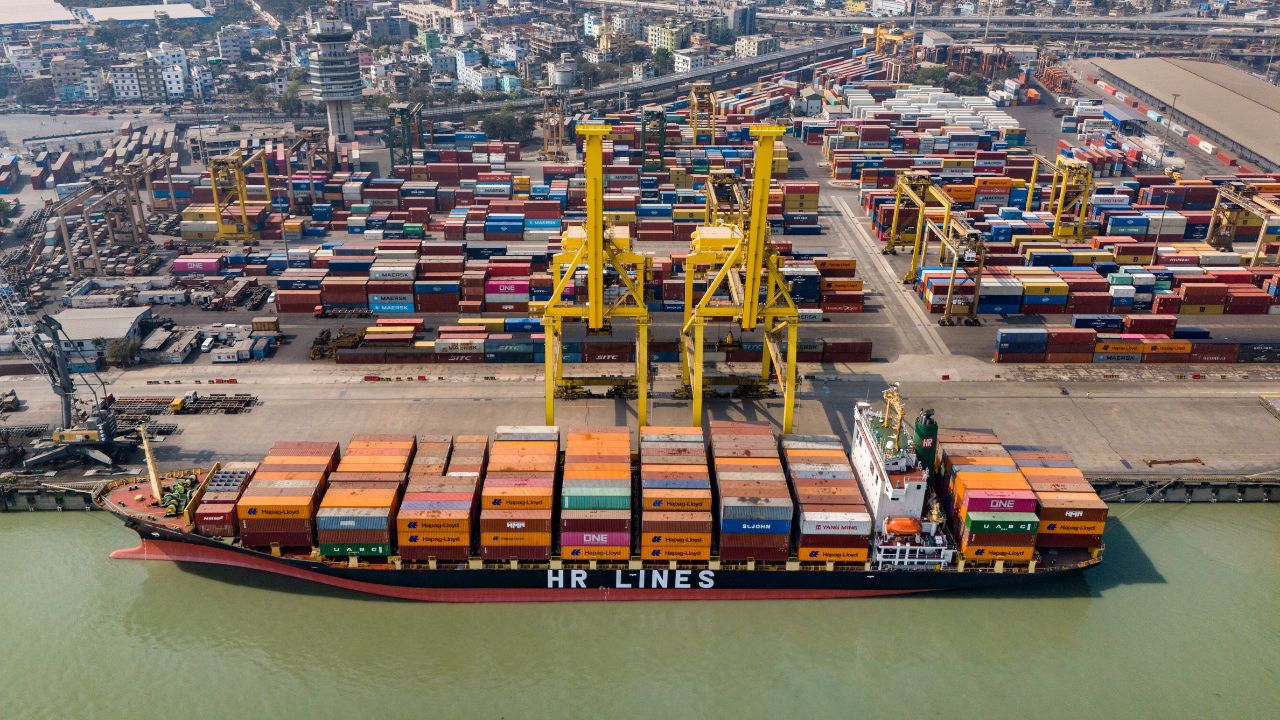
Bangladesh’s seafood export industry is set for a major boost, as the under-construction Moheshkhali-Matarbari deep seaport promises faster logistics, improved cold chain support, and direct access to international markets.
Part of the Moheshkhali-Matarbari Integrated Infrastructure Development Initiative (MIDA) and backed by Japanese investment, the deep seaport aims to relieve congestion at Chattogram Port by handling larger vessels directly, a game-changer for perishable goods like frozen fish and shrimp.
“The new port will drastically reduce shipment time for perishable goods like frozen fish and seafood. That will give us better access to international markets with stricter freshness standards,” said Nurul Islam, a local fish trader in Moheshkhali.

Fishermen and traders, particularly in Cox’s Bazar and the southern coastal belt, are optimistic that faster turnaround times will help fetch better prices and reduce post-harvest losses.
“If the fish we catch are exported quickly, we’ll finally receive fair prices,” said Mohabbat Ali, a fisherman from Matarbari. “It will improve our income and quality of life.”
Despite being located along the Bay of Bengal, which contributes nearly 7 per cent of the world’s fisheries, Bangladesh’s deep-sea fishing sector remains vastly underutilised. With over 450 million people relying on the Bay’s blue economy, Bangladesh is now eyeing this frontier seriously.



Although a member of the Indian Ocean Tuna Commission (IOTC) — allowing it to fish in specific territories and harvest quota-bound and unlimited tuna species, the country has consistently fallen short of fulfilling its quotas.
In response, the Ministry of Fisheries and Livestock has approved the import or construction of 28 longliner fishing vessels, signalling a clear push toward modernising the fleet and expanding into deeper waters.
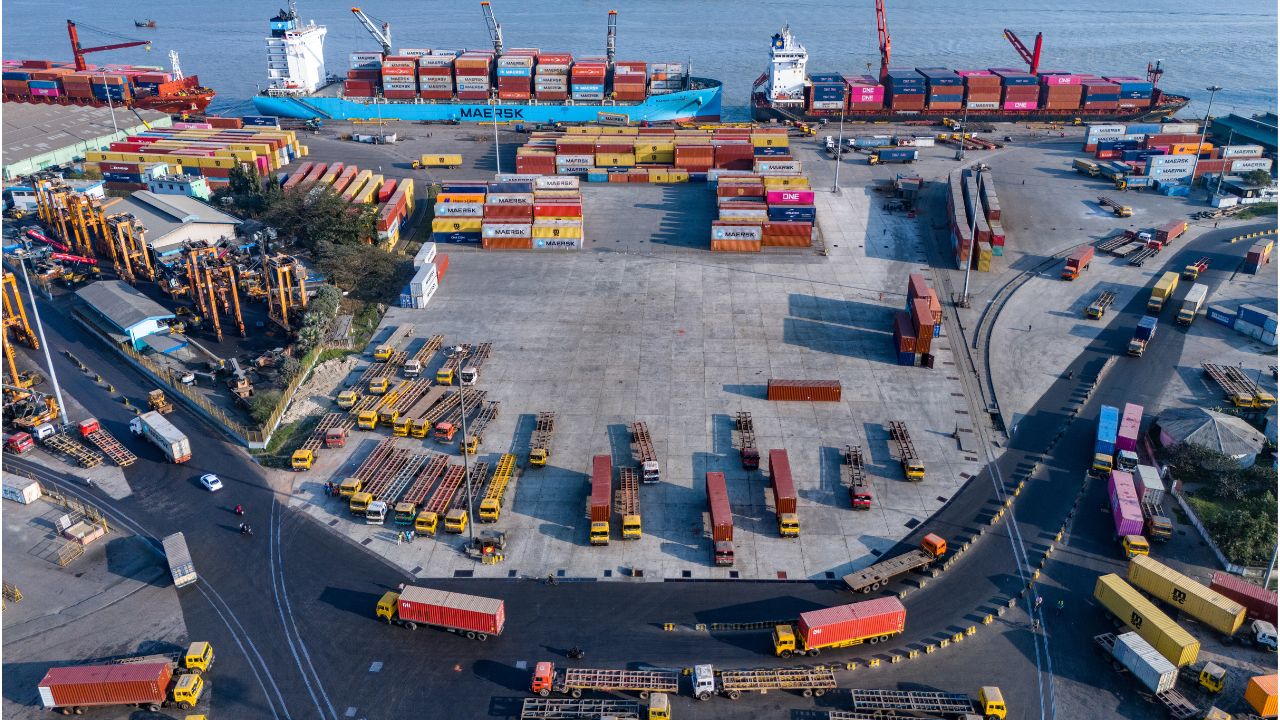
The Matarbari deep seaport is also expected to energise industries like shrimp farming in Chakaria, enabling them to ship products faster to key markets such as the European Union, the United States, and Japan.
With reduced shipping time and cost, businesses will be better positioned to export higher-value products such as fillets, smoked fish, and ready-to-eat seafood items — enhancing margins and competitiveness.
Industry experts note that scallop processing alone holds an export potential of $500 million, a figure that could be unlocked with the help of MIDA’s logistics infrastructure and streamlined cold chain support.
The port and surrounding infrastructure are expected to attract significant foreign direct investment (FDI) in fish processing, cold storage, and value-added seafood manufacturing.
With global demand for sustainable and fresh seafood rising, the Moheshkhali-Matarbari development is not just a logistical upgrade — it’s a strategic shift in how Bangladesh positions itself in the global seafood market.
As the port nears completion, stakeholders say now is the time for policymakers and private investors to seize the opportunity and turn Bangladesh’s coastline into a hub for blue economy growth.