The July Mass Uprising of 2024, which stands as a defining moment in Bangladesh’s history, carries a different weight for families who lost their loved ones while seeking a democratic country and a better life.
Mahmudur Rahman Soikot, a 19-year-old who had recently completed college, was among around 1,200 people killed during the uprising that ousted the regime of former prime minister Sheikh Hasina.
Soikot lived with his family on Nurjahan Road in Mohammadpur, Dhaka. His father, Mahabubur Rahman, runs a small neighbourhood shop where Soikot often helped after finishing his studies.
On 19 July 2024, Mahabubur Rahman had travelled to their village home in Sandwip, Chattogram. Soikot opened the shop that morning as usual.
Around midday, he learned that a friend had been shot during protests nearby. After informing his mother, he left home and headed towards the area.
At about 3:37pm, he was shot.
Later that day, relatives located Soikot’s body at the morgue of Shaheed Suhrawardy Medical College Hospital in Dhaka. A bandage had been wrapped around his head.

In the days that followed, his elder sister, Sabrina Afroz Sabonti, collected several short video clips recorded by people at the scene. She had also been a student at the time.
The footage appears to show that a bullet struck near Soikot’s ear and exited through the back of his head.
With the newly elected parliament set to hold its first session today following the February elections, TIMES of Bangladesh staff reporter Md Al Amin Sadman spoke with Sabrina Afroz about how her family has been living with the loss.
She spoke about her expectations of the new government, members of parliament, and the steps she believes are necessary to honour the sacrifices of the martyrs.


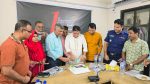

TIMES: It has been over 18 months since your brother, Mahmudur Rahman Soikot, was martyred during the July Uprising. How are you and your family coping with this void?
Sabrina Afroz Sabonti: This question is common, but the answer is never simple. Soikot was my only brother – immensely loved, cherished, and the centre of our hopes. We were two sisters and one brother. Since his passing, our lives have been upended.
My mother is mentally unstable, my father’s health has deteriorated significantly, and my elder sister is struggling to bear the weight of this trauma. I am not doing well mentally either.
However, we have accepted this as the will of Almighty Allah. We find solace in the fact that he gave his life for the country. He took to the streets for change, for betterment. Whether that betterment has been fully achieved is a separate debate, but he died for it. But truth be told, life is not good. We will never truly return to a “normal” pace again.
The mass uprising was built on the sacrifices of Soikot and many others. With the new parliament formed after the February elections, what are your expectations from the elected representatives as a martyr’s family?
We have many expectations, but the foremost is justice. Historically, Bangladesh has struggled to ensure true justice, but this time must be different. The winning parties must prove they have a genuine plan.
Prime Minister Tarique Rahman has mentioned that he has a roadmap to set things right. While some of his initial steps are impressive, he must prove through his actions that he truly carries the spirit of the July Uprising within him.
The first step in that proof is ensuring accountability. We want to see the pace of the trials increase, not slow down. Secondly, we expect the rehabilitation of the martyrs’ families and the injured. Many still lack proper medical care. While some damage is irreversible, those still suffering must receive the best possible treatment immediately.
But I repeat: our primary demand is justice. Whether it was the police or political goons who pulled the trigger, every single killing must be tried. We must never feel that the blood of our brothers was bargained away.
What structural changes should the new parliament implement to ensure no other family has to lose a loved one in such a manner again?
First and foremost, we want the July National Charter to be fully implemented. That alone would solve a significant portion of our problems because it prevents the rise of new fascists. For instance, the provision that no one can serve as prime minister for more than ten years is crucial.
When a leader knows they must return to the status of a common citizen after a decade, they will think twice before committing atrocities. They will not do anything that would make the public reject or hate them once they are out of power.
To ensure this, the new parliament must make the judiciary strictly independent. If the perpetrators of the genocide carried out by the Awami League are tried and the organisation is held accountable, no one in the future will dare to repeat such crimes.
Your brother joined the movement with a specific dream. In your view, how successful was the post-uprising interim government in fulfilling the people’s expectations?
To be honest, they were not successful in many areas; there were significant lapses. However, I believe they tried their best. The interim government faced immense hurdles – corruption was embedded in every layer of the administration.
Many officials loyal to the previous regime deliberately slowed down the pace of work, ignoring orders from the top to sabotage the transition. A government head cannot reach the grassroots overnight if the system is being blocked from within.
So, while I acknowledge their failures, I respect their intent. They truly wanted change in their hearts. Now, our hope lies with the newly elected government. We want them to succeed where the interim one struggled. We want them to be successful at every step and, most importantly, to keep the promises they made to the people.