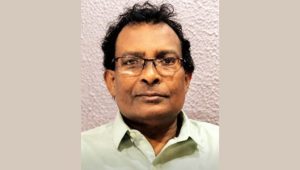
Inspector General of Police Ali Hossain Fakir has said legal action will be taken over all loss of life, including the killing of police personnel, both before and after 5 August 2024, when the Awami League government fell amid the mass uprising.
Speaking at a press briefing at Rajshahi Metropolitan Police headquarters on Friday afternoon, he said numerous people, including officers, had been killed during the unrest.
“Every incident will be investigated and brought under the law. Whatever happens will be dealt with in accordance with legal procedures,” he said.
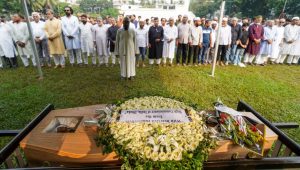
According to official data, as many as 44 police members were killed in the incidents of violence during the uprising.
Justice over the killing of police personnel remains contentious, as the interim government introduced an ordinance granting legal protection to participants in the mass movement.

Home Minister Salahuddin Ahmed said last week that the newly elected government is likely to approve the ordinance in parliament. “We will uphold the aspirations of the people and the July student movement,” he said.
He added that the ordinance recognises those involved as “July fighters” and includes provisions for their indemnity.
Earlier, on 1 March, he said there would be no legal proceedings over the deaths of police officers during the uprising, clarifying that participants had been granted legal immunity under the “July Charter”.




He added that BNP is a signatory to the charter and that the interim government, led by Muhammad Yunus, is operating in line with its provisions.
The government has already approved the July Uprising Protection and Accountability Ordinance, which provides indemnity to those who took part in the protests that led to the fall of the Awami League government in July–August 2024.
As a result, no criminal cases can be filed over actions carried out during the student-led demonstrations, a move that has drawn debate over accountability for the deaths of police personnel during the unrest.
IGP urges public to follow law
At Friday’s event, the IGP urged citizens to abide by the law to help build what he described as a peaceful and civilised society.
Speaking to reporters, he called on young people in particular to avoid blocking roads and staging frequent protests, warning that such actions cause disruption and harm the wider public.
The police chief also highlighted broader socio-economic challenges, noting a high number of educated unemployed people and what he described as a deteriorating banking sector due to money laundering abroad. He said these factors had contributed to some youths becoming involved in crimes such as mugging and drug-related offences.
However, he reaffirmed that law enforcement maintains a “zero tolerance” stance on narcotics.
Responding to a question about the fuel crisis and allegations of black marketing, Fakir said reselling fuel at higher prices offers limited profit and stressed the importance of strengthening ethical values.
He also said a proposal has been submitted to the government to transform Dhaka and other divisional cities into “smart and safe cities”, adding that the process is under way.
When asked about a letter from the Rajshahi Range Deputy Inspector General concerning the re-arrest of Awami League leaders in new cases after securing bail, the IGP declined to comment, citing the ongoing investigation.