Four major rivers in Jashore are now on the verge of extinction owing to illegal encroachments, dumping of medical, industrial and municipal waste. Bhairab, Chitra, Mukteshwari and Kopotakkho, once brimming with life, are now major contributors to the district’s chronic waterlogging and environmental crisis.
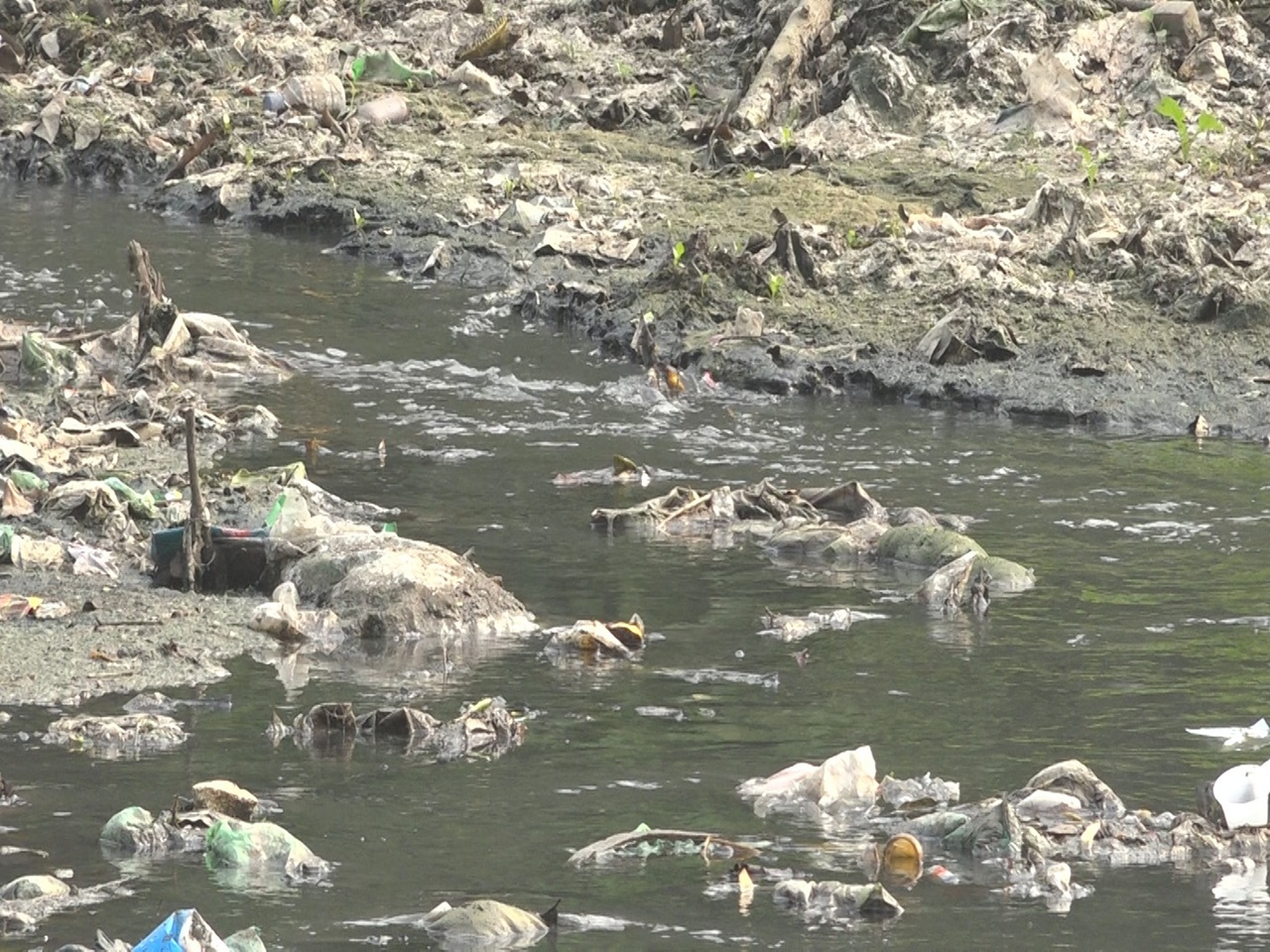
Recent water tests were conducted at two key points, Doratana and Barandipara Bridge areas, in the Bhairab River of Jashore. The results revealed an alarming pollution level, posing severe threats to both aquatic life and human health.
According to the Department of Environment, the river’s water quality has significantly deteriorated, with dangerously low levels of dissolved oxygen and a sharp increase in biochemical oxygen demand.
Research Officer of the Department of Environment in Jashore, Soumen Maitra, emphasised the dire condition of the river. He explained that DO levels at Doratana were recorded at 3.81 per cent, and at Barandipara Bridge, it was just 4.69 per cent, far below the required 5 per cent for aquatic life.
Such low oxygen levels are a direct threat to the survival of fish and other aquatic organisms. Furthermore, the rise in BOD levels in the river is alarming. BOD indicates the oxygen demand of microorganisms decomposing organic matter in water and was found to be 9 at the Doratana point and 10 at the Barandipara Bridge point, whereas normal levels should be below 6.
This increase reflects the excessive presence of organic pollutants, such as untreated sewage and industrial waste, in the water.
Pollution endangers public health
A high level of contaminated water not only threatens marine life but also the lives of people living around these rivers.
Professor Dr Saibur Rahman Molla, Chairman of the Department of Environmental Science and Technology at Jashore University of Science and Technology, warned that the polluted water could lead to a public health crisis.

“High BOD levels indicate the presence of disease-causing pathogens and decomposing bacteria. Continuous exposure to such water could lead to waterborne diseases like cholera, typhoid, and dysentery. Skin infections and long-term health issues are also likely,” he said.
28 institutions identified as major polluters
The Bhairab River, which flows through Jashore city, is most affected. The river once provided a source of livelihood for many, including fishermen, but has been turned into a narrow strip due to pollution and encroachment.
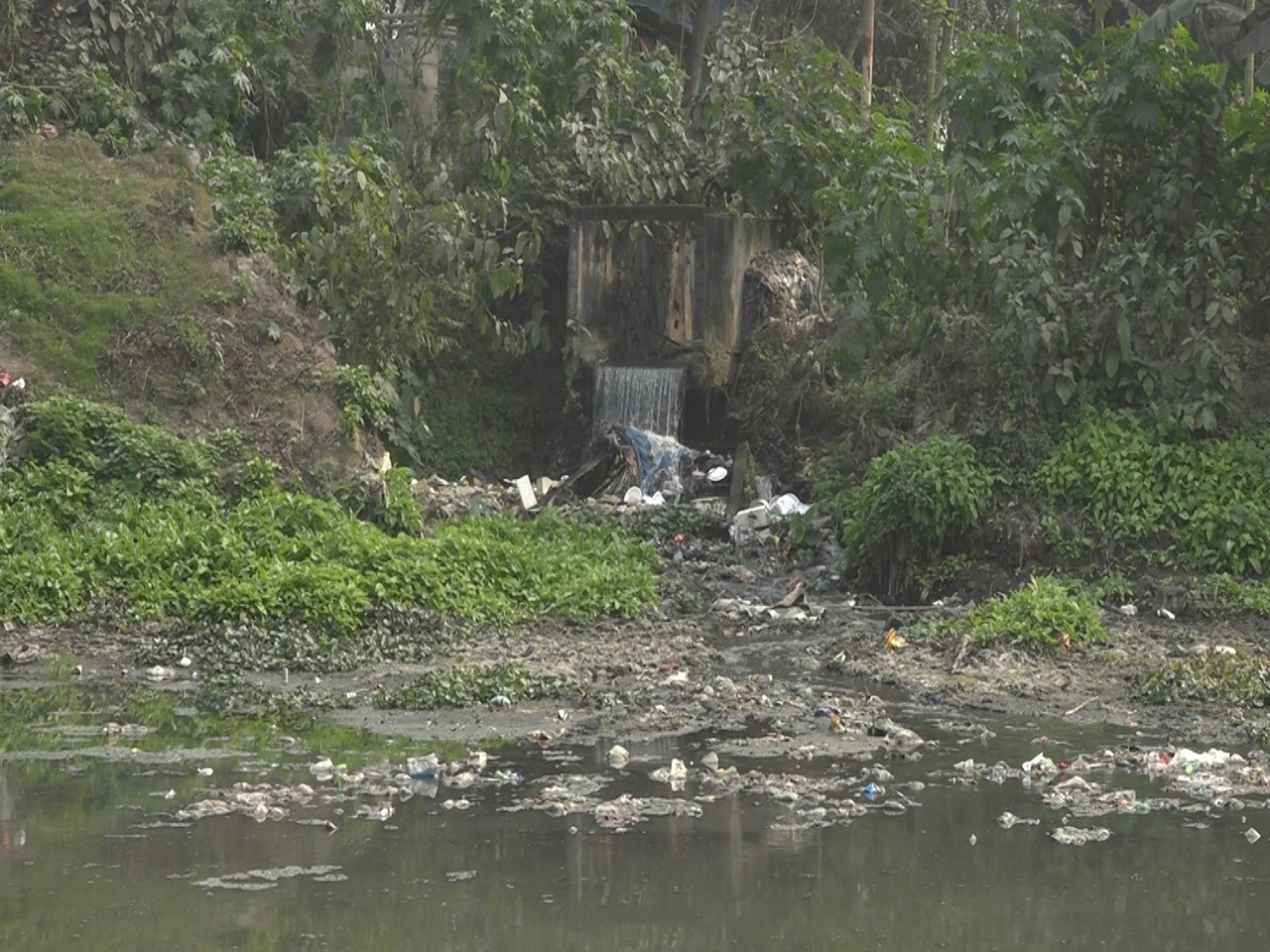
According to the Department of Environment, a total of 28 institutions, including hospitals, clinics, diagnostic centres, rice mills and various types of industries located along the Bhairab, Horihor, and Kazla rivers, are accused of pollution.
Of these, 24 institutions in Jessore city and the Noapara areas alone are discharging untreated medical and industrial waste into the Bhairab River.
Some of these institutions have been issued multiple notices, legal action has been taken against five institutions, and one institution has been instructed to build an effluent treatment plant.




Government’s response and the urgent need for action
Local citizens and environmental activists are calling for stronger action from the authorities to halt the ongoing damage.
Zillur Rahman Bhitu, secretary of the Public Awareness Committee, told TIMES, “Issuing fines or filing lawsuits against a few institutions will not resolve the issue. Stronger, more comprehensive measures are needed.”
Iqbal Kabir Zahid, adviser of the Bhairab River Rehabilitation Movement Committee, expressed frustration with the lack of progress despite government funding for river restoration projects. “The government has allocated millions for river restoration, but most projects have failed to yield results. The local administration must take stricter action against encroachment and pollution,” he said.
Challenges faced by other rivers
The Mukteshwari River, once a thriving watercourse, has been reduced to a dumping ground due to illegal encroachments and excessive waste disposal. The river flows through the southern parts of Jashore and Abhaynagar and is now in a state of severe degradation.
Construction projects and the use of the riverbed for fishing and other activities have blocked its natural flow, turning it into a stagnant water body.
Locals in areas including Arabpur Union and Mandal Gati have reported the narrowing and encroachment of the river’s banks, with fishing activities further degrading the water quality.
Kopotakkho struggles
The once-thriving Kopotakkho River stretches over 260 kilometres and was a vital waterway for transportation and livelihoods but is suffering from encroachment and pollution.
The river was over 750 metres wide at some points but has reduced to a narrow stream now, with its banks occupied by buildings and agricultural activities.
The introduction of water hyacinths has further blocked its flow, making navigation and fishing nearly impossible.
In response, the Water Development Board took on two projects in 2011 and 2020, spending over Tk817 crore with no visible results.
Chitra declines
The Chitra River, which flows through Jashore and Bagherpara, has also faced similar challenges.
Over the years, significant portions of the river have been encroached upon, with political offices, business establishments, and residential buildings constructed along its banks.
In 2011, a bridge was built over the Chitra River, which further obstructed its natural flow.
Efforts to revive rivers
In response to these ongoing challenges, the Water Development Board has initiated plans for further river restoration.
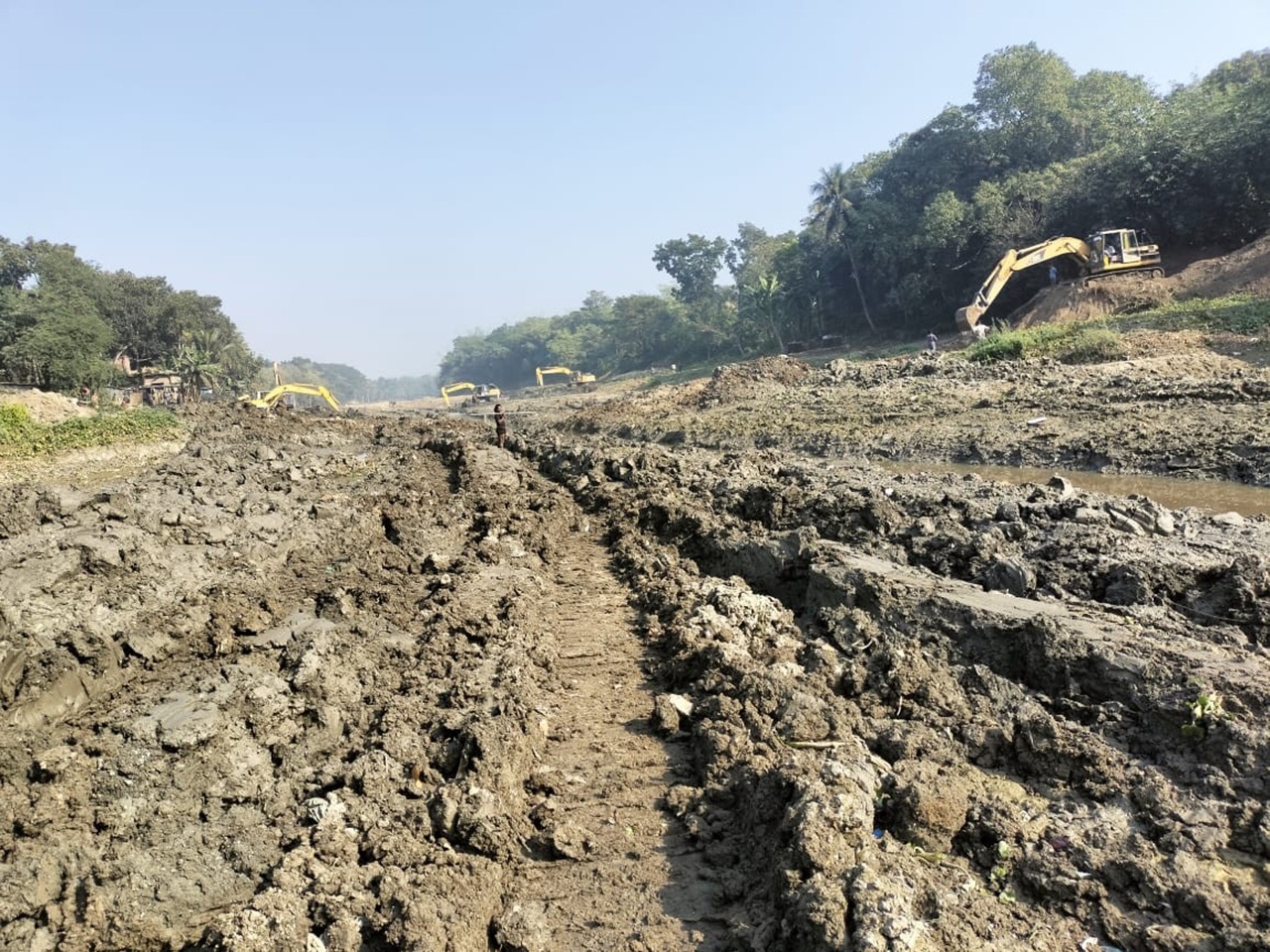
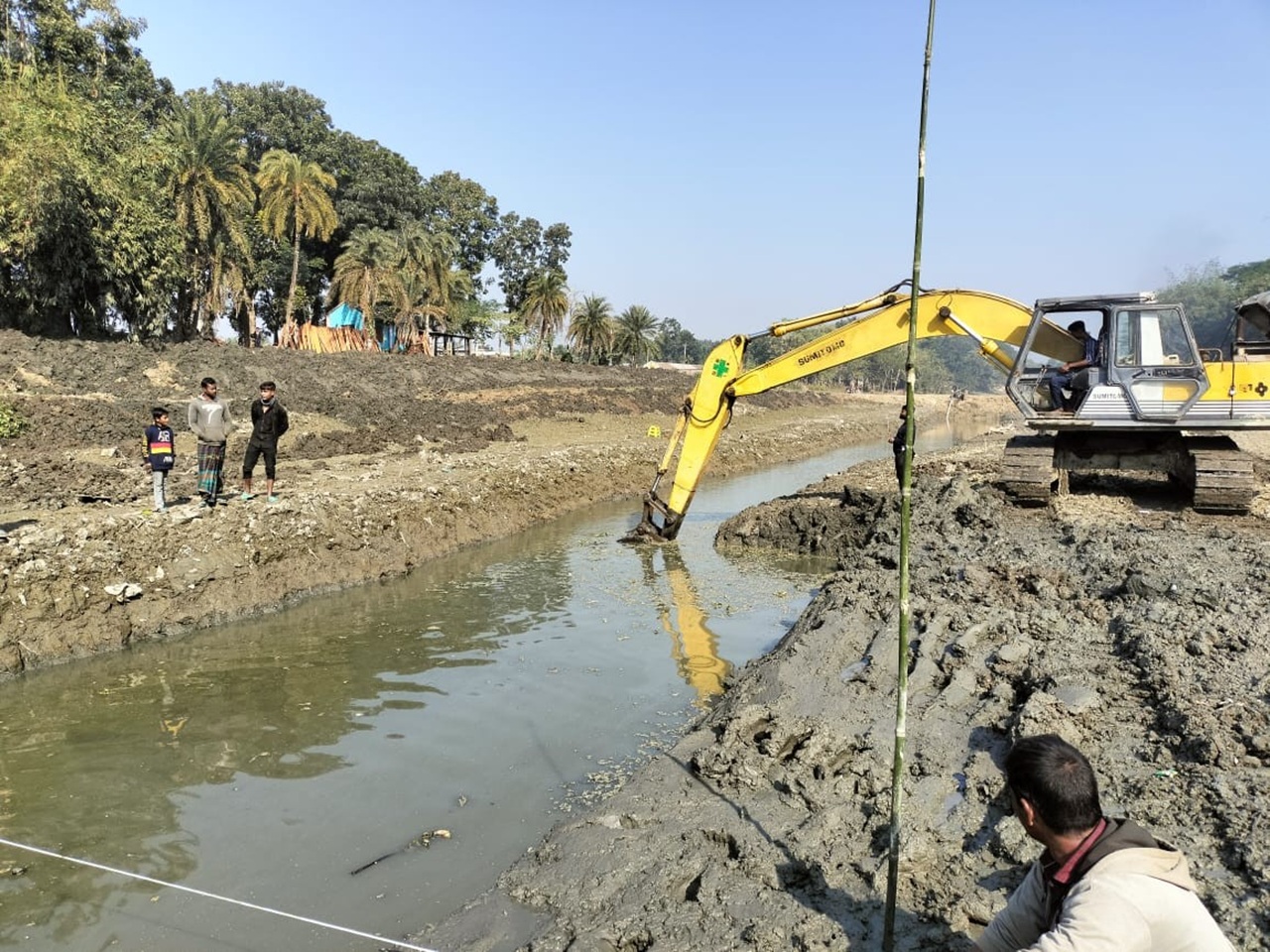
A Tk 40 crore project to restore 39 kilometres of the Chitra River in Jashore has already begun, with dredging work set to start in the first week of December.
Similarly, the second phase of the Kopotakkho River dredging, covering the remaining five kilometres, is expected to be completed by June 2026.
The reduction in navigability of the rivers has caused the most damage to the Bhobdah area, as waterlogging affects over 500,000 people in the Bhobdah area regularly.
While the National River Conservation Commission has published a list of encroachers, the slow pace of eviction activities is causing these rivers to gradually turn into dead canals.
Recently, the Chairman of the National River Conservation Commission, Maksumul Hakim Chowdhury, visited Jashore to inspect the condition of the rivers.
He expressed his frustration upon witnessing the encroachment on rivers like Mukteshwari, Upper Bhadra, and Horihor, and directed the local administration to immediately evict illegal structures and take legal action.
As the rivers shrink, so does Jashore’s margin for delay. These waters are not just channels of drainage, they are lifelines for livelihoods, health and history. Saving them now is no longer an environmental choice, but a test of whether the district is willing to protect its own future before the last river falls silent.