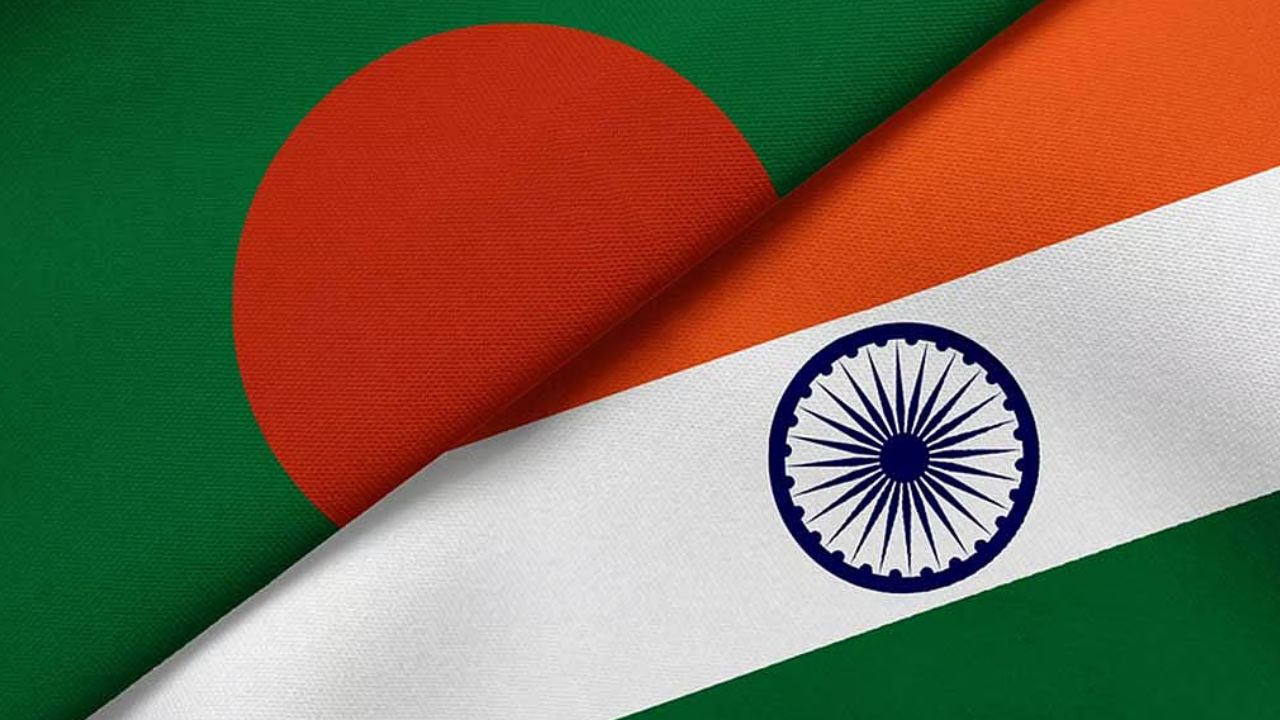
BNP is poised to form the next government, while Bangladesh Jamaat-e-Islami has emerged as a formidable force in parliament. A close analysis of electoral trends shows a clear pattern in Jamaat’s performance: the party performed strongly in constituencies along the Indian border, where anti-India sentiment tends to be more pronounced than in other regions.
Jamaat and its allies secured 34 of the 58 seats in 16 bordering districts across Rangpur, Rajshahi and Khulna divisions. Diplomatic analysts believe Jamaat’s sizeable parliamentary presence — 77 seats overall — and its strong support base in border regions could influence the next government’s policy approach towards India.
While the new government is expected to broadly continue the existing foreign policy direction, Jamaat and its allies are likely to exert pressure on India-related issues.
Longstanding concerns such as water sharing and border killings have consistently fuelled anti-India sentiment in Bangladesh, particularly in border districts of Rangpur, Rajshahi and Khulna, which are most affected by these issues.
Ensuring equitable water sharing and eliminating border killings will be a major challenge for the incoming government. Failure to address these concerns could further intensify anti-India sentiment, complicating efforts to maintain stable relations with New Delhi.

Former ambassador Md Sufiur Rahman, who hails from Kurigram — a border district — told TIMES of Bangladesh, “BNP will face immense pressure from Jamaat and its allies, who are expected to be very vocal on issues important to local people, particularly river water flowing from India.
Border dynamics such as killings and smuggling could often overwhelm broader strategic considerations for the two governments at the capital level.”
The election, however, offers a good opportunity for both sides to recalibrate bilateral relations based on mutual interests and dignity, he added.




Echoing similar views, former ambassador Md Abdul Hye said, “In the past, the Indian establishment was seen to have put all its eggs in one basket. This approach is no longer workable in the post-5 August political dynamics in Bangladesh.”
India’s condolence diplomacy following the passing of Khaleda Zia and its Twitter messaging after the 12 February election reflect that Delhi acknowledges the political changes in Dhaka and has accordingly shown willingness to engage with political forces across the Bangladeshi spectrum, he added.
Parliament dynamics
In the 13th parliamentary election, according to the latest unofficial results, the BNP-led alliance won 212 seats, while the Jamaat-led alliance secured 77 seats.
In the bordering districts of Chattogram, Sylhet and Mymensingh divisions, Jamaat allies won only six of 64 constituencies. However, they performed significantly better in Rangpur, Rajshahi and Khulna divisions, capturing 34 of 64 constituencies.
Jamaat won all seats in Satkhira, Chuadanga, Meherpur, Nilphamari, Kurigram and Chapainawabganj districts, and secured majorities in Jashore, Kushtia and Jhenaidah — highlighting its strong base in the western and northern border belt.
Policy implications
It is widely believed that the Indian administration strongly backed ousted prime minister Sheikh Hasina during the Awami League period. Following the fall of that government on 5 August 2024, India has worked to rebuild relations with other political forces in Bangladesh with which it previously had limited engagement.
Observers note that India appears to have reached a level of understanding with BNP and signalled openness towards moderate political forces. This was reflected when Indian External Affairs Minister S Jaishankar visited Dhaka to attend Khaleda Zia’s funeral.
“Irritant factors between Bangladesh and India will continue to influence domestic politics, and relations may not resemble the dynamics seen during the Awami League period.”
He added that reducing border killings and ensuring fair water-sharing arrangements are achievable, but India must demonstrate goodwill towards Bangladesh to ease anti-India sentiment and stabilise bilateral relations.
He cautioned: “Any failure in delivering good neighbourly gestures by India towards Bangladesh may create space for anti-Indian elements to gain further ground in Bangladesh.”