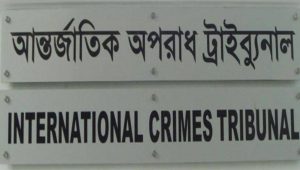
The International Crimes Tribunal has delivered six verdicts over deaths linked to the July mass uprising, while 20 more cases are currently undergoing trial before two tribunals.
Investigators are actively probing 38 additional complaints, while more than 50 have been shortlisted for investigation and hundreds more await review.
As formal charges are finalised, the caseload is expected to rise, raising concerns over possible delays in the judicial process and prompting calls for expanding the tribunal framework.
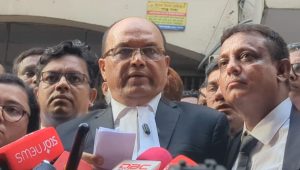
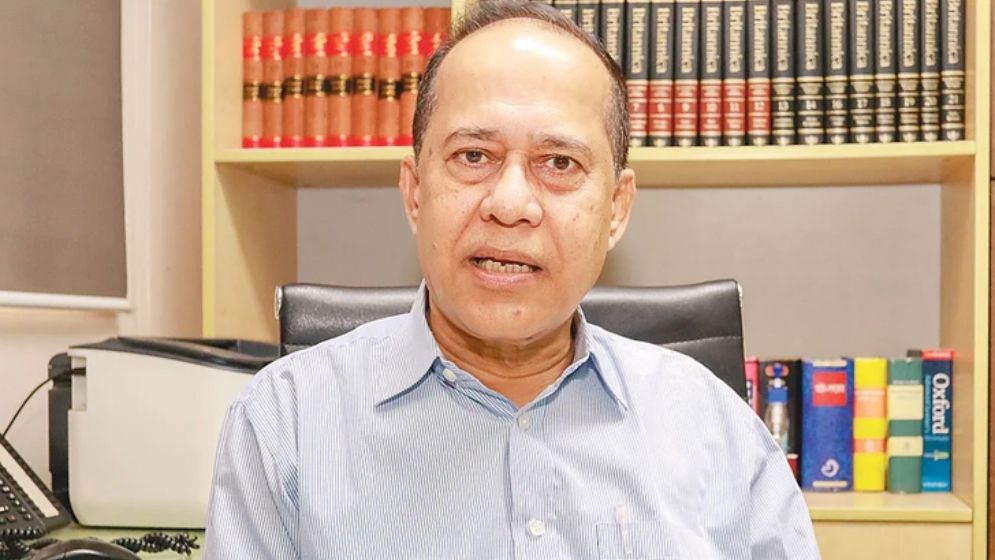
Chief Prosecutor Md Aminul Islam told TIMES of Bangladesh that the tribunal’s scope could expand further to include earlier offences allegedly committed during the Awami League government, which may increase the number of cases.
Addressing Parliament on 14 July, Home Minister Salahuddin Ahmed assured lawmakers that the government was ready to deploy additional tribunals, prosecutors and logistical resources if required.
62 convicted so far
Originally established under the Awami League government to try atrocities committed during the 1971 Liberation War, the International Crimes Tribunal was reconstituted after Sheikh Hasina’s fall to prosecute crimes linked to the July-August 2024 uprising.

On 14 October 2024, the former interim government re-established Tribunal-1, comprising three members and chaired by Justice Md Golam Mortuza Majumder. Tribunal-2 was formed on 8 May 2025 under the leadership of Justice Nazrul Islam Chowdhury.
Together, the tribunals expanded their jurisdiction to hear allegations of enforced disappearances, torture and extrajudicial killings allegedly committed during the Awami League’s tenure, alongside atrocities linked to the uprising.
The first landmark verdict came on 17 November last year, when Tribunal-1 sentenced deposed prime minister Sheikh Hasina and former home minister Asaduzzaman Khan Kamal to death for nationwide killings.
Former Inspector General of Police Chowdhury Abdullah Al-Mamun received a reduced five-year sentence after cooperating with the prosecution as an approver.
Subsequent verdicts brought severe punishments for cases of police brutality. On 26 January, former Dhaka Metropolitan Police Commissioner Habibur Rahman and two senior officers were sentenced to death over the Chankharpul killings in Dhaka, while five other officers received varying prison terms.




Tribunal-2 delivered its first verdict on 5 February, sentencing six individuals to death and seven to life imprisonment for the shooting of victims and burning of bodies in Ashulia, Savar.
More verdicts pending
More verdicts are expected as Tribunal-2 awaits a ruling in the Kushtia killings case involving Awami League Joint General Secretary Mahbubul Alam Hanif and three co-accused.
Meanwhile, closing arguments are continuing against seven senior party figures, including Awami League General Secretary Obaidul Quader.
Currently, 20 cases are under active trial before the two tribunals. In total, 58 cases and investigations are ongoing against 394 individuals, of whom 147 are in custody while the rest remain fugitives.
High-profile figures facing multiple charges include Sheikh Hasina, her son Sajeeb Wazed Joy, former ministers, military officers, MPs and police personnel.
More cases awaiting cognisance
The tribunal’s scope continues to expand, having already taken cognisance of formal charges against 41 individuals over the 2013 Shapla Chattar crackdown at Motijheel.
Investigators are also examining allegations against the Awami League as a political entity, with prosecution sources saying preliminary evidence has been found.
Chief Prosecutor Md Aminul Islam said that of 590 complaints received, 109 had been forwarded for full investigation.
With individual trials taking three to five months, the increasing workload is putting pressure on the tribunals’ capacity.
“Four to five cases are being heard daily,” Islam said. “If witnesses are being examined in one case, another cannot proceed simultaneously, inevitably causing delays.”
Former Chief Prosecutor Mohammad Tajul Islam also warned that existing infrastructure was insufficient to meet public expectations.
“Victims’ families are desperate for swift justice,” he said, pointing to shortages of personnel in investigation and prosecution teams.
Other prosecutors echoed the concerns, warning that limited manpower, inadequate logistical support and administrative delays could seriously slow down the pace of trials.
Testimonies in disappearance cases continue for seven months
Cases involving enforced disappearances are proving the most time-consuming to resolve.
Trials over allegations against the RAB Task Force for Interrogation Cell and the DGFI Joint Interrogation Centre began last December, but witness testimonies remain incomplete even after more than seven months.
Both serving and former civilian and military personnel have been accused in the cases.
Similarly, six months after charges were framed against former army officer Ziaul Ahsan over allegations of disappearance, killings and torture involving more than 100 people, proceedings remain at the witness stage.
Chief Prosecutor Aminul Islam attributed the prolonged delays to defence strategies in the joint cases, saying lawyers representing the 28 accused were cross-examining prosecution witnesses individually.
Describing the Ziaul Ahsan case as particularly challenging, Islam said efforts were underway to expedite the trial process.