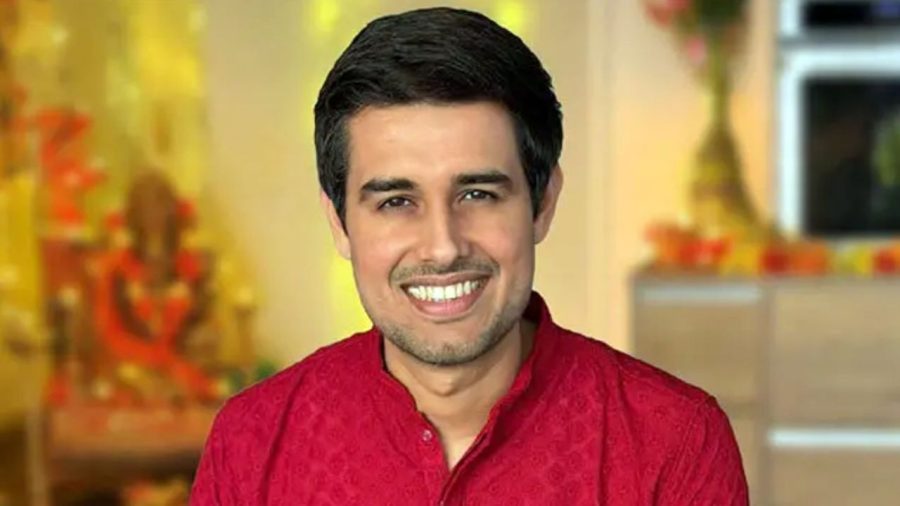



Popular Indian influencer Dhruv Rathee has alleged that he was kidnapped from his residence by plainclothes individuals rather than lawfully detained, describing his ordeal in a social media post following his release on Sunday
Rathee, who has millions of followers, said in a video posted on X on Sunday that around 20 men entered his home on Saturday morning, dragged him from his bedroom and took him to police stations, where he was held for nearly 23 hours without being told why.
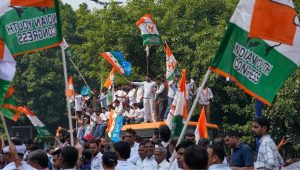
The incident occurred ahead of a rally planned by the Cockroach Janta Party (CJP), a youth movement formed only a few months ago, at Delhi’s Jantar Mantar on 10 October.
The group is demanding Kumar’s resignation, accusing him of overseeing the removal of more than 130 million names from electoral rolls in a move it claims benefited Prime Minister Narendra Modi’s ruling Bharatiya Janata Party (BJP).
Authorities deployed Delhi Police and other security forces, including Border Security Force personnel, across the capital and blocked roads leading to Jantar Mantar to prevent protesters from reaching the venue.
Rathee claimed more than 7,000 demonstrators, including senior CJP leaders, were temporarily detained during the operation.
Describing his ordeal, Rathee said his mother opened the front door around 7am on Saturday after finding a large group of people outside. About 20 men then forced their way into the house and headed straight for his bedroom.

He said he was asleep when the men entered and had no opportunity to respond.
According to Rathee, the men refused to identify themselves or explain their actions before dragging him downstairs, injuring him in the process. He was not even allowed to put on his slippers.
He alleged that more than 50 people had gathered outside his home and that his parents were beaten and assaulted. His mobile phone and those belonging to his parents were also confiscated.
The men forced him into a jeep and transported him between police stations, he said.
Rathee alleged that he was denied access to a lawyer and prevented from using a telephone throughout his confinement.


For 22 to 23 hours, he said, authorities offered no explanation beyond telling him that he was neither under arrest nor formally detained and would eventually be released.
He argued that a lawful arrest would require officers to identify themselves and specify the relevant legal provisions, while a protest-related detention would ordinarily occur at the demonstration itself.
Calling the incident an “unofficial emergency”, Rathee questioned whether a democratic country could treat a citizen in such a manner merely for demanding a better Election Commission.
He compared the situation with India’s Emergency period and North Korea, accusing the Modi government of suppressing dissent.
“Narendra Modi has turned this country into a dictatorship,” he alleged.
Rathee also referred to the detention of CJP leaders Abhijeet Dipke, Sourav Das and Ashutosh Ranka, saying they had been taken off an aircraft.
Addressing reports questioning his citizenship, Rathee rejected claims that he held a foreign passport or lacked the right to participate in the demonstration.
He accused pro-government news outlets, which he calls “Godi Media”, of spreading misinformation to justify the action against him.
“I am, was, and will remain an Indian citizen,” Rathee said, describing the claims as “an absolute lie” and insisting that he enjoyed the same constitutional rights as other Indians.
Although he had returned home and was in good condition, Rathee alleged that at least 15 people remained stationed around his residence, monitoring his movements and preventing him from leaving.
He described the restrictions as an unofficial house arrest.
Warning that the treatment of one citizen could set a precedent for others, Rathee criticised those who welcomed his detention because they disagreed with his views.
“If this can happen to me, it can happen to you tomorrow,” he said.
He questioned whether Indians wanted to live in a country where citizens could not raise their voices and warned that dictators ultimately faced disastrous ends, citing Adolf Hitler and Benito Mussolini.
Rathee also thanked Indian educator Sonam Wangchuk, who he said had threatened to begin a hunger strike unless he and other detainees were released within a day.
“I will continue to raise my voice for the country, no matter how much you try to suppress it,” Rathee said.
Addressing Modi directly, he added: “Don’t scare anyone so much that all fear disappears.”