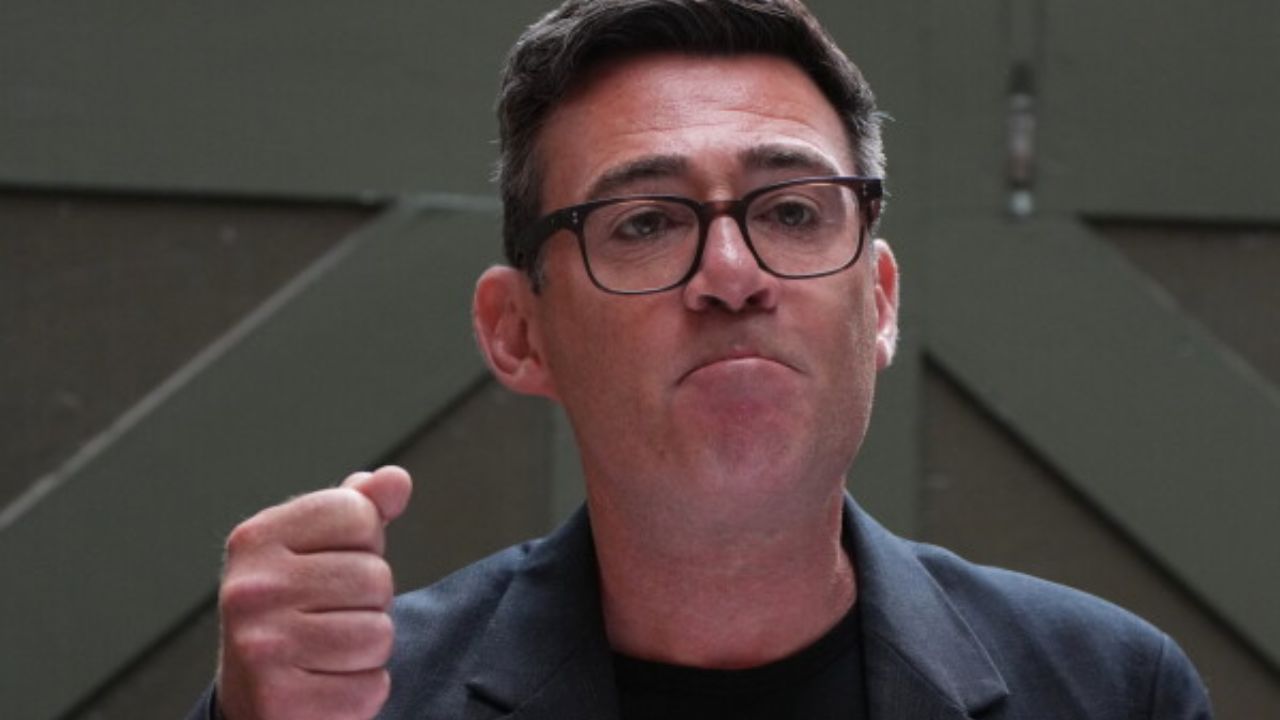



The United Kingdom’s Prime Minister Andy Burnham has said a suspected plot targeting a Royal Air Force (RAF) base used by the United States in Fairford was “almost certainly” directed by Iran’s Islamic Revolutionary Guard Corps (IRGC).
The statement came on Monday as the UK announced sanctions against two Iranian nationals over alleged “hostile activity”, escalating diplomatic tensions over an incident that remains largely unexplained. Tehran has denied any involvement, reports Al Jazeera.
Addressing Parliament, Burnham said Britain would not tolerate threats on its soil. He pledged to crack down on Iran’s alleged reliance on criminal networks by using the government’s full range of powers to target them and their funding streams.
He added that the UK would impose further sanctions to restrict Iran’s and the IRGC’s capacity to inflict harm.
The security incident near the airbase in southern England occurred in the early hours of September 27, when five British men in their 20s were arrested on suspicion of terrorism and explosives offences.

Police reported finding petrol supplies in three vans linked to the suspects but no explosives.
All five men were later released on police bail without charge under “stringent conditions”. Two other individuals, including a British-Iranian national, were subsequently arrested but also released.
As none of the men has been charged, the source and nature of the suspected threat at Fairford remain unclear.


UK Foreign Secretary Ed Miliband confirmed on Monday that the government was imposing sanctions on two Iranians for their “role in facilitating or engaging in hostile activity on behalf of the Iranian regime”.
The individuals are Ruhollah Bazghandi, head of IRGC counterespionage operations, and Shahram Ali Reza Tamarzadeh Jakki, whom British officials described as a facilitator for the Zindashti criminal network.
Bazghandi is subject to an asset freeze and travel ban and is barred from serving as a company director. The Zindashti network is already under UK sanctions and is accused of involvement in several plots targeting Iranian dissidents.
Miliband also summoned Iran’s ambassador to the UK, posting on X that Britain had repeatedly made clear to Tehran that it would not tolerate threats on its territory.
Tehran has strongly rejected the allegations. On Monday, Iranian Ambassador to the UK Ali Mousavi met Stephen Doughty, the UK’s Minister for the Middle East, and “categorically rejected” claims of Iranian involvement. He urged the British government to refrain from making unsubstantiated statements.
According to Iran’s state news agency IRNA, Mousavi told UK authorities that Tehran was willing to cooperate with the investigation.
Last month, the Iranian embassy in London issued a statement saying Tehran “categorically rejects and strongly condemns” the “unfounded and malicious speculations” linking the country to the arrests near Fairford. It warned that such claims would “fuel Iranophobia propaganda”.
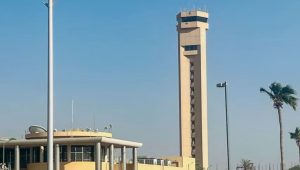
Located about 160 kilometres (100 miles) west of London, RAF Fairford serves as the preferred European base for US bombers. It also acted as a staging point for US aircraft during the war on Iran, which began on February 28.
Earlier this month, US officials said Washington had moved its B-52 and B-1 bombers following concerns about a suspected Iranian plot to carry out a complex drone attack on the facility.
Separately, a coalition of 29 countries, including the UK, the US, most European states, Canada, Australia and New Zealand, issued a joint statement on Monday condemning “in the strongest terms Iran’s use of violent attacks”.
The statement cited lethal plotting, arson, sabotage, cyber-attacks and other hybrid activities.
It added that any attempt by Tehran to threaten, silence, intimidate, harass, harm or coerce people in partner countries through proxies or other means was unacceptable.