
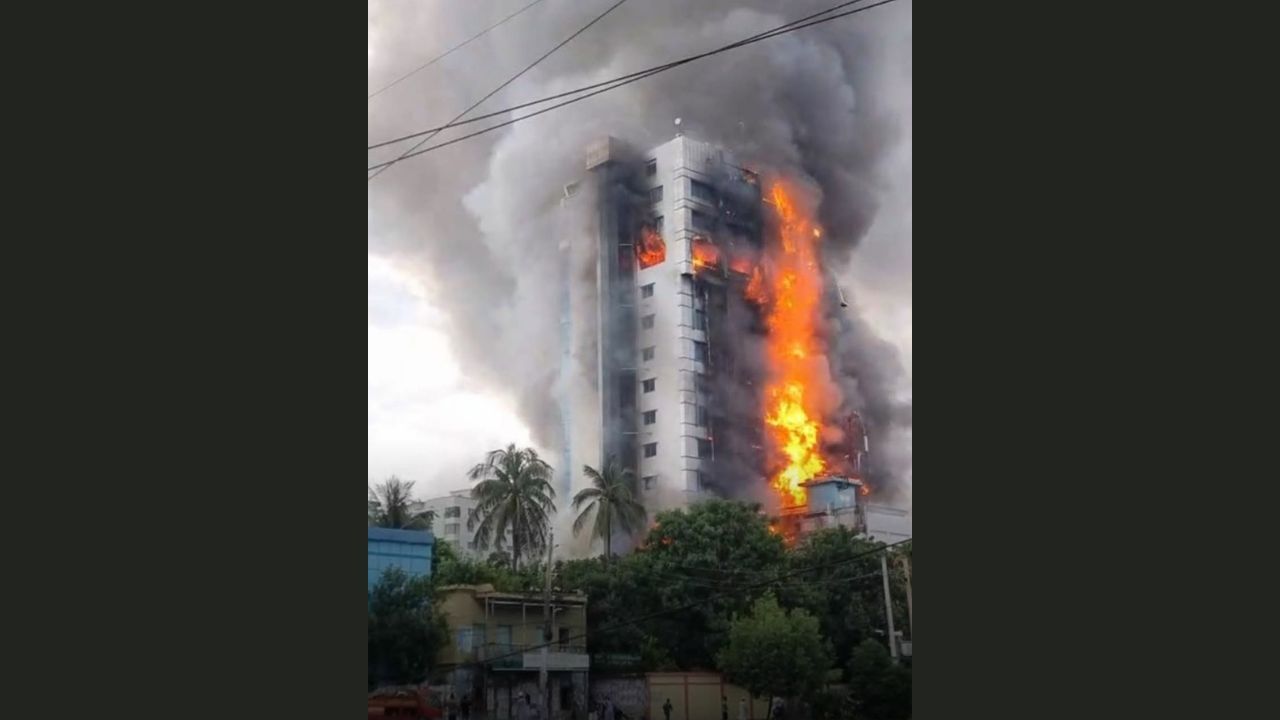
Around 9pm on 18 July 2024, Bangladesh was effectively cut off from digital communication with the rest of the world. As protests that began over quota reform evolved into a mass uprising, the government first shut down mobile internet from the night of 17 July and then suspended broadband services the following day.
The decision to shut down the internet was not merely a technical measure. Rather, it was a political and strategic one. Initially, the Awami League-led government, whose activities are currently banned, claimed that telecommunications infrastructure had been damaged in the violence, causing the disruption.
However, the simultaneous nationwide suspension of both broadband and mobile internet services, followed by the gradual imposition of restrictions on social media platforms, made it clear that this was a state-directed action.
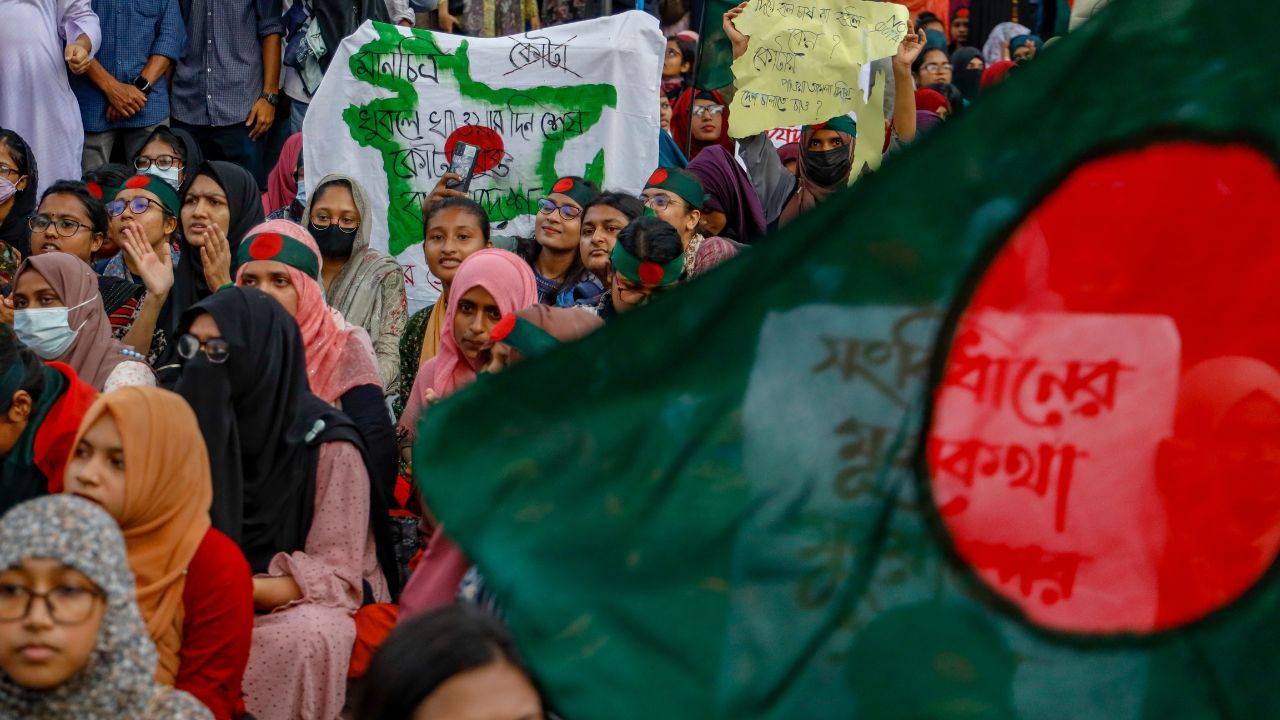
One of the major strengths of the July uprising was digital communication. Protesters were using Facebook, WhatsApp, Messenger and other platforms to organise rapidly, coordinate programmes and disseminate developments from across the country almost instantly.
From the government’s perspective, this flow of information was accelerating the movement’s momentum and expansion.

Consequently, one of the key objectives behind the internet shutdown was to disrupt communication among protesters and weaken their ability to coordinate public gatherings.
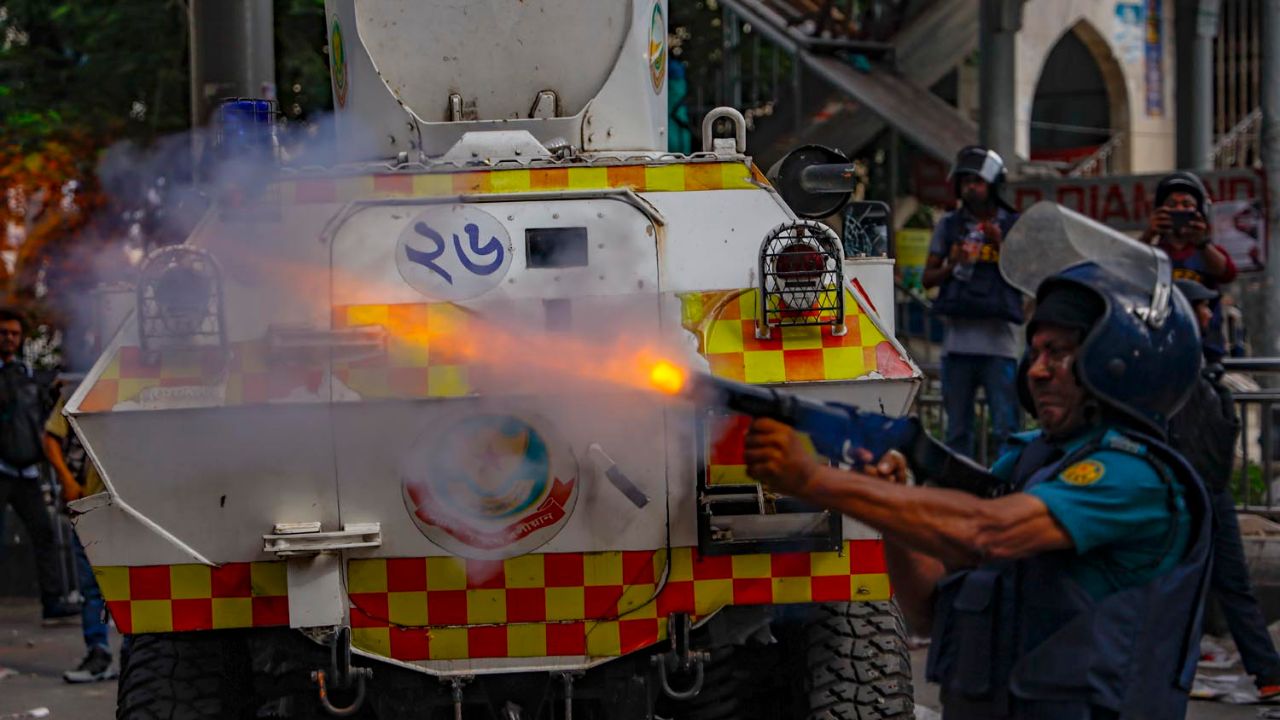
At the same time, the international flow of information was an important consideration for the government. Videos of the July violence, along with images of those killed and injured and footage of law enforcement operations, were spreading rapidly on social media.
The internet shutdown hindered the ability of international media outlets, human rights organisations and members of the Bangladeshi diaspora to obtain immediate information about the situation inside the country. By controlling the flow of information, the state sought to gain time to establish its own narrative.
Another objective of the internet blackout was to assert control. The decision was implemented in coordination with measures such as curfews, military deployment and mass arrests.


Historically, authoritarian governments have often sought to shape political crises in their favour by controlling communication systems. Bangladesh witnessed a reflection of the same strategy in July, as the state attempted to manage realities on the ground by creating a digital silence.
Despite the unprecedented internet blackout, which lasted for five days, the flow of information did not stop. With internet services unavailable, gathering news in the field and transmitting it to newsrooms became a major challenge for journalists.
However, cooperation and solidarity among local journalists played an important role during that period. By informing one another about potential risks and clashes, they were able to continue working more safely.
Because Agence France-Presse (AFP) had access to alternative internet facilities, its office became a temporary newsroom for many journalists. Reporters from various media outlets went there to file their stories. photojournalists submitted their photo using the same method.
Journalists and protesters alike returned to older methods of communication. Phone calls and SMS became the primary means of staying connected.
At the same time, protesters in different parts of the country continued limited information exchange through local networks based on the Bangladesh Internet Exchange (BDIX). Some servers were rapidly reconfigured and used as platforms for sharing news, instructions and communication.
In addition, mesh networking applications such as Briar, Bridgefy and FireChat were used on a limited scale. On the night of 23 July, broadband internet services were restored on a trial basis in a limited capacity.
Mobile internet was later reinstated in phases, although services such as Facebook, WhatsApp, and TikTok remained inaccessible for several more days.
Although the government at the time maintained that the internet shutdown resulted from infrastructural problems, a subsequent report by an investigation committee under the Ministry of Posts and Telecommunications stated that it had been a government decision.
Former state minister Zunaid Ahmed Palak later acknowledged that the internet shutdown had been carried out on the instructions of then prime minister Sheikh Hasina, who was subsequently removed from power.
Ultimately, however, the internet shutdown failed to stop the movement. Instead, the attempt to control information generated further public questions and deepened distrust in the government.
The nationwide blackout, which lasted more than five days, demonstrated that in the digital age, the internet is not merely a means of communication. It is also an important component of citizens’ rights, accountability and the relationship between the state and its people.