Commerce Minister Khandakar Abdul Muktadir has expressed his deep dissatisfaction with the current cost of living and the prevailing commodity price situation in Bangladesh.
Speaking six months after assuming office, he admitted that reducing the prices of goods is not achievable through market monitoring alone, as prices are intrinsically linked to fuel, electricity, interest rates, production costs, transport, and infrastructure.
Speaking to media at the Secretariat on Tuesday, the minister emphasised that for long-term price control, the cost of the entire supply chain – from production to the final consumer – must be reduced.

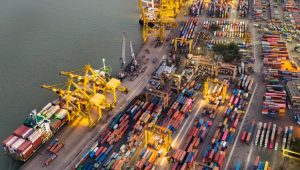
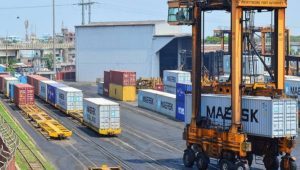
He highlighted a significant structural burden – Bangladesh’s logistics costs account for approximately 16 per cent of the Gross Domestic Product (GDP), which is considerably higher than the international average of roughly 10 per cent.
This inefficiency adds extra expenses when transporting goods to retail markets, a cost ultimately borne by the consumer.




While noting that improved communication systems, affordable fuel, and efficient delivery systems would create opportunities to lower prices, Muktadir cautioned that immediate results should not be expected.
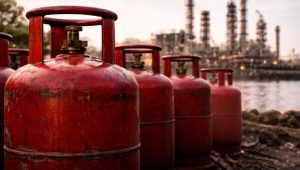
He explained that developing the necessary infrastructure and energy capacity requires time, though the government is currently working to increase gas supply, develop new LNG infrastructure, and ensure the uninterrupted operation of power plants.
Regarding the seasonal price hikes of essentials such as green chillies, onions, and vegetables, Muktadir observed that supply gaps still occur at specific times of the year despite an increase in domestic production.
To address this, he stated that the Ministry of Agriculture is taking initiatives to increase planned production, including the introduction of contract farming.
The minister concluded that stability in the market and a gradual reduction in the cost of living can only be achieved by simultaneously advancing the development of fuel, infrastructure, production capacity, and supply chain systems.