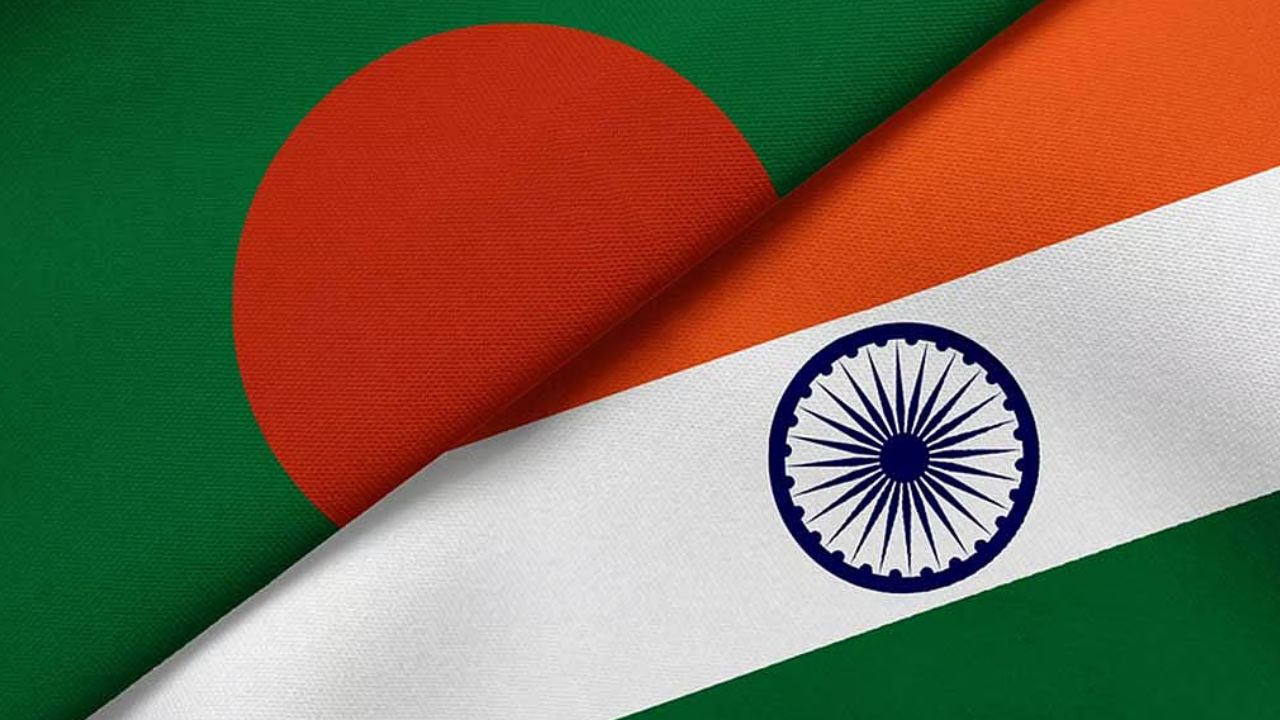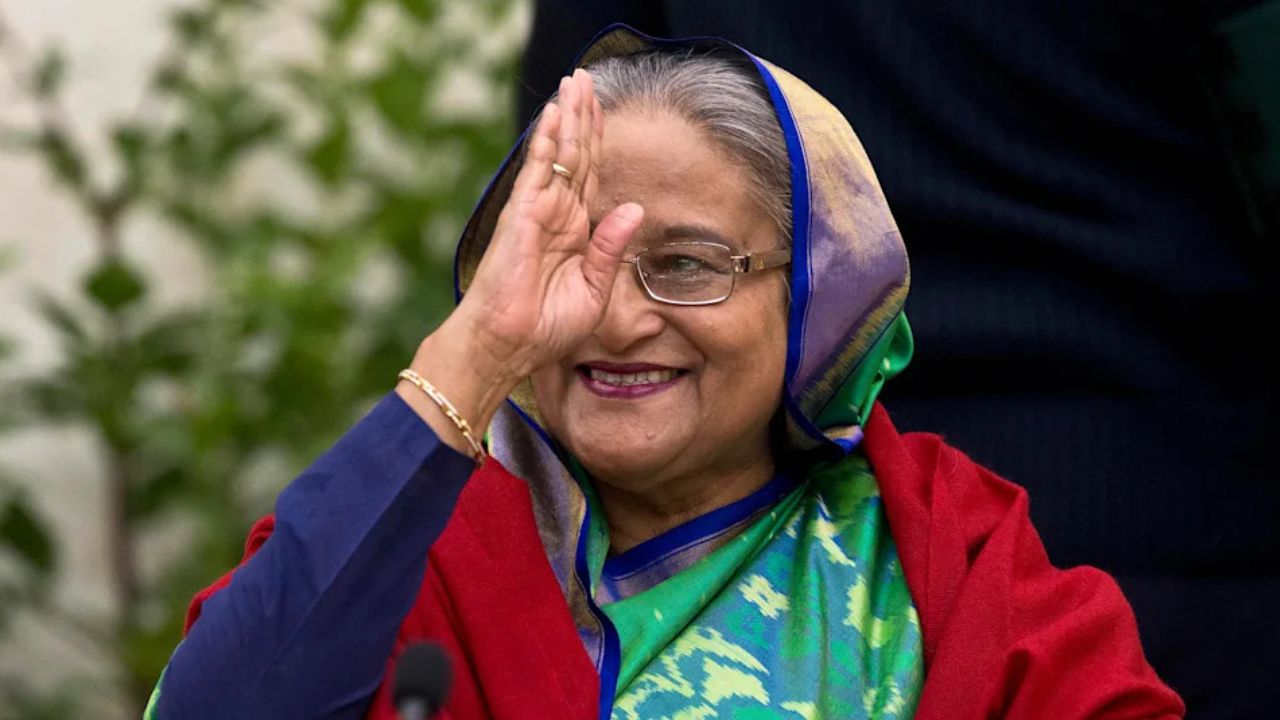



Sheikh Hasina’s planned press conference in New Delhi in mid-October has been cancelled, in a development that could influence efforts to improve relations between Bangladesh and India and pave the way for Prime Minister Tarique Rahman’s possible visit to New Delhi.
Several sources said the change of plan followed a request from the Bangladesh government conveyed to senior Indian authorities. The reasons for the cancellation have not been officially disclosed.
Awami League sources said the party was considering organising a press conference in New York, Brussels, London or any city in Europe or North America, with Hasina expected to join virtually. Meanwhile, they declined to make any comment why the proposed press conference was cancelled.
Last month, senior AL leaders told TIMES, citing Hasina, that she would announce her return date to Bangladesh before international media in New Delhi in mid-October. The event was expected to be her first public appearance since she was ousted from power on 5 August 2024 during a youth-led mass uprising.
In an interview with an Indian media outlet last month, Hasina also expressed her intention to return to Bangladesh in December.
“I could be killed if I return home. I could be arrested and tortured. Yet, for the sake of the people of the country, I must return,” she was quoted as saying.
AL leaders said Hasina had been considering returning to Bangladesh in the first week of December. According to party sources, plans had been discussed for her to enter the country through the Petrapole-Benapole land port around the end of the first week or the beginning of the second week of December. There has been no official confirmation of such a plan.

Awami League is currently barred from carrying out political activities in Bangladesh.
Diplomatic consultations
Meanwhile, Indian High Commissioner to Bangladesh Dinesh Trivedi is in New Delhi for consultations with senior political leaders and is expected to return to Dhaka next week, according to sources.
Before leaving Bangladesh, the envoy held a series of meetings with political leaders to understand the priorities of the BNP-led government. After arriving in New Delhi, he met Indian Prime Minister Narendra Modi on 6 October to discuss bilateral relations and a possible visit by Tarique Rahman to India, sources said.
Dhaka is closely monitoring developments in New Delhi, as decisions concerning Hasina could have a direct bearing on the proposed visit.




Political and government sources said a workable understanding between the two governments over Hasina’s future and political activities would be important for rebuilding bilateral ties.
Possible visit hangs in the balance
India maintained particularly close relations with the AL government during Hasina’s tenure, while its engagement with opposition parties in Bangladesh remained limited, according to political observers.
Following Hasina’s ouster, New Delhi sought to broaden its engagement with political parties across Bangladesh, including BNP. India’s decision to send External Affairs Minister S Jaishankar to attend the funeral of former prime minister Khaleda Zia was seen as a gesture towards the party led by her son Tarique Rahman.
Since the formation of the new government in Dhaka in February, both countries have sought to bring their relationship back to a workable footing.
An initiative for Tarique to visit India in August did not materialise, with the Hasina issue emerging as a major complication, according to sources familiar with the discussions.
Dhaka has repeatedly asked New Delhi to extradite Hasina, who faces legal proceedings in Bangladesh. India’s response to the request remains a sensitive issue in bilateral relations.
A political source said Bangladesh was aware that extradition would be a difficult issue for India but added that other arrangements could also be explored.
“One option would be to keep Hasina in Delhi and not allow her to engage in political activities,” the source said.
The cancellation of the planned press conference could ease some of the immediate political pressure and encourage decision-makers in Dhaka to reconsider a visit to New Delhi, the source added.
However, the development alone does not guarantee progress towards a meeting between the two prime ministers. The timing of any visit will depend on broader political understanding and progress on outstanding bilateral issues.
Substantive issues remain
Beyond the Hasina question, Bangladesh and India face a number of longstanding issues that require political engagement.
Water-sharing is among the most pressing. The two governments need to work towards renewing the Ganges Water Sharing Treaty, which expires in December 2026, and make progress on a proposed Teesta water-sharing agreement. Clarification of India’s position on the Teesta barrage project, along with cooperation over other shared rivers, will also be important.
Trade is another source of friction. Bangladesh has raised concerns about Indian trade restrictions and their effects on bilateral commerce. The substantial trade imbalance, which favours India, remains an issue that Dhaka wants to address.
Security cooperation also requires a clearer framework. Both countries need assurances that their territories will not be used for activities threatening the other’s security. Border tensions, including Bangladesh’s allegations that Indian authorities have attempted to push people across the border illegally, have further strained relations. Dhaka has strongly protested such incidents.
A senior Bangladeshi government official said the proposed visit would depend on progress on both political and substantive issues.
“The visit will depend on many things. Political understanding between the governments on the Hasina issue and possible consensus on the unresolved issues will determine when the visit will happen. India needs to translate its good messaging into action and engage with Bangladesh based on mutual respect and mutual interest,” the official said.
For Dhaka, the cancellation of Hasina’s planned press conference may offer an opportunity to reduce immediate tensions. Whether that translates into a visit by Tarique Rahman to New Delhi will depend on the extent to which both governments can turn diplomatic signals into tangible progress on their most sensitive disputes.