Eid, thousands of miles away from home, feels different. Maybe distance gives people more motivation – sometimes even pressure – to hold on to their culture and heritage.
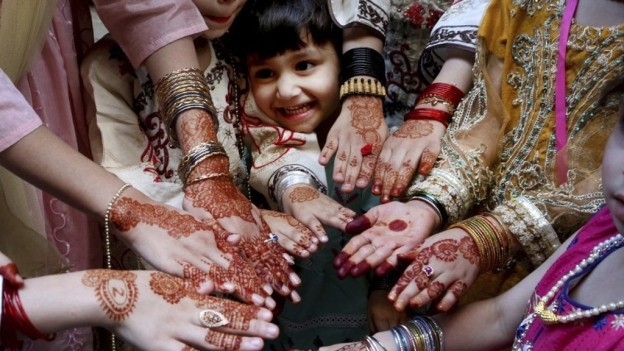
Bangladeshi Canadians celebrate Eid occasions with community gatherings, “Chand Raat” bazaars, and traditional feasts. Celebrations also feature traditional clothing, henna, and cultural performances fostering a sense of home away from home.
Over 100,000 Bangladeshi diaspora in Canada desire to make sure that their next generation know what Eid meant to them.
If Eid day falls on a working day, Canadian Muslims, including Bangladeshi-origin people usually take a day off from work. Students generally ask for extensions or special accommodation if exams or deadlines fall on Eid day.
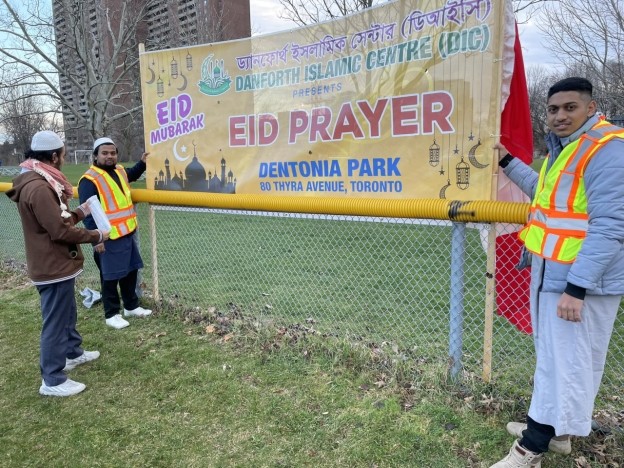
In the big cities of Toronto, Montréal, Vancouver, Ottawa, Calgary, Halifax, etc., congregational prayers are held multiple times in city mosques or Islamic centres.

After congregational prayers, there are sometimes small processions. Community leaders, including Bangladeshi or South Asian representatives and Muslim MPs, address the gatherings.
Donations are made generously for maintaining mosques, building new ones and supporting people in need around the world.




For many, the Eid jamaat becomes a place to reconnect with their roots and find a sense of belonging in a foreign land.
In universities, Muslim Student Associations organize Eid jamaat. They often serve food afterward. Some even give small gifts, like chocolates, to everyone.
After the prayers, people visit each other. Instead of extended family, it is often friends and neighbours.
Homes fill with food. There is a quiet competition in cooking. Traditional dishes sit alongside fusion food – Bangladeshi flavours mixed with Canadian tastes. Pithas, polao – everything finds a place.
Zakat and fitra are sent back home to relatives, neighbours, and others in need. People also send gifts to their loved ones. Here, elders still give salami to the younger ones, keeping the tradition alive.
After the Eid jamaat, Middle Eastern, Turkis and Arabic coffee shops fill up, especially with young people, including Bangladeshis. Men and women, dressed in festive clothes, gather there.
Different countries, different colours, different backgrounds – sharing the same festivity.
Children growing up here often invite friends from different cultures and religions to celebrate Eid. Many Bangladeshi children wear traditional clothes like salwar kameez, pajama-punjabi on the Eid day.
The colours stand out in contrast to everyday Canadian life. They speak to grandparents, aunts, and uncles back home over phone. Through them, Islamic values blend with Bangladeshi culture in new ways.
Eid is different here. Sometimes it feels a bit grey – especially during winter afternoons and evenings. Still full of joy and full of efforts to recreate the feeling of Eid back home. It is evolving in its own way.
But the essence remains the same. Traditions continue – carried carefully from one generation to the next.