


More than 700 people have died as confirmed Ebola cases in the Democratic Republic of Congo surpassed 2,000, with government data showing 2,011 infections and 754 deaths in what authorities describe as the fastest-growing outbreak on record.
The worsening health crisis has been compounded by strikes among frontline workers demanding unpaid compensation, reports AP. Health workers at Bunia General Hospital in Ituri province walked off the job on Wednesday, becoming the latest group of medical staff to halt services at the epicentre of the outbreak over payment issues.
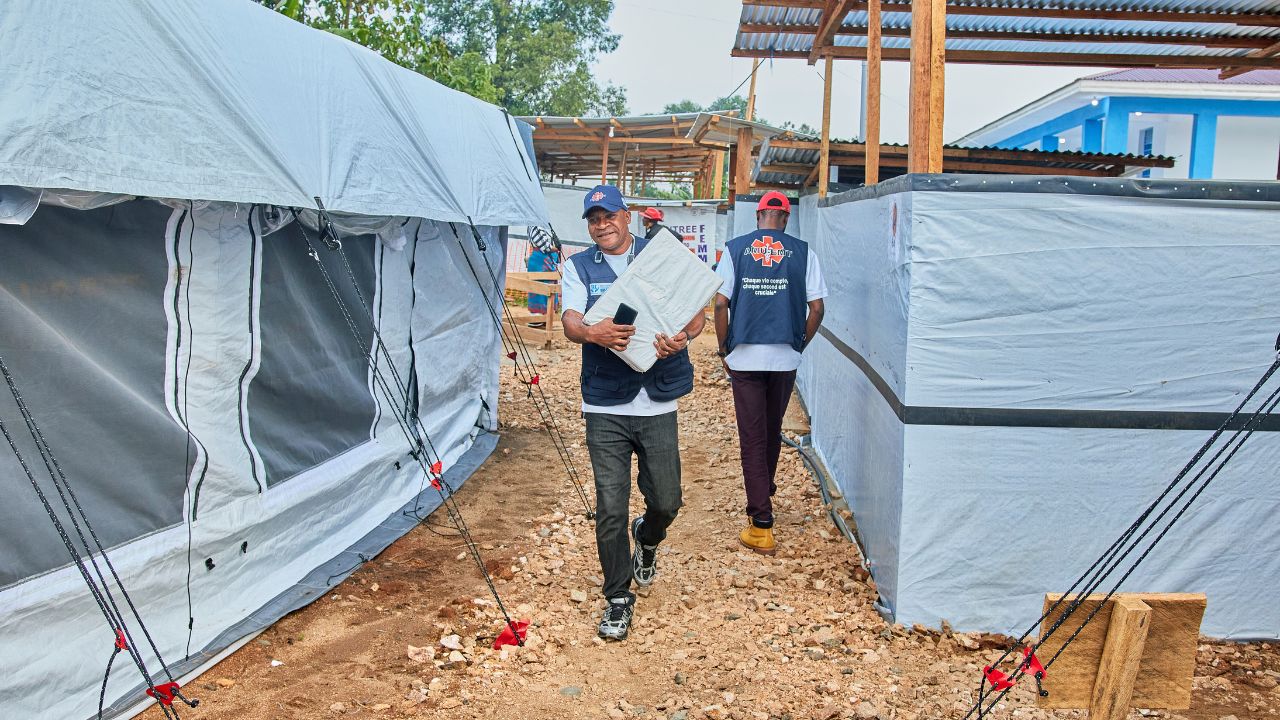
Doctors, nurses and other frontline workers barricaded the hospital entrance, saying they had received no compensation despite continuing to work under extremely difficult conditions.
Congo’s Ministry of Health said 753 patients remain in isolation or hospitals, while 366 people have recovered from the disease. Contact tracing remains a major challenge, with only 67 per cent of people exposed to the virus currently being monitored.

The outbreak, caused by the rare Bundibugyo strain of Ebola, was first reported on 15 May in the Central African nation. Almost two months later, the virus continues to spread faster than health officials can track despite an expanding response effort.
The World Health Organization (WHO) said on Tuesday that at least 80 per cent of newly reported cases were emerging from unknown chains of transmission, making efforts to contain the outbreak increasingly difficult.



A major obstacle for health authorities has been the failure to identify the first person infected, known as the patient zero. Population movements linked to armed conflict and mining activities have also complicated efforts to trace thousands of people who may have been exposed to the virus.
Many recent deaths occurred among people who died in their communities without reaching health facilities or receiving treatment, said Dr Chikwe Ihekweazu, the WHO’s health emergencies chief, after returning from Bunia in Ituri, the worst-hit province.
Health workers across several parts of Ituri have also joined strike action. Some told The Associated Press that they had not received any payment since beginning work during the initial phase of the outbreak.
The response has been further hindered by the lack of approved vaccines or treatments for the Bundibugyo virus. Unlike the more common Zaire strain, which has a vaccine and was responsible for most of Congo’s previous 16 Ebola outbreaks, Bundibugyo has fewer established medical interventions.
Despite these challenges, researchers have begun enrolling patients in a long-awaited study of two possible Ebola treatments in Ituri. The trial is expected to provide critical information on potential therapies for the strain behind the current outbreak.
Health authorities and international partners continue to expand containment measures, but officials warn that payment disputes, limited treatment options and difficulties tracking infections are placing additional strain on efforts to bring the outbreak under control.