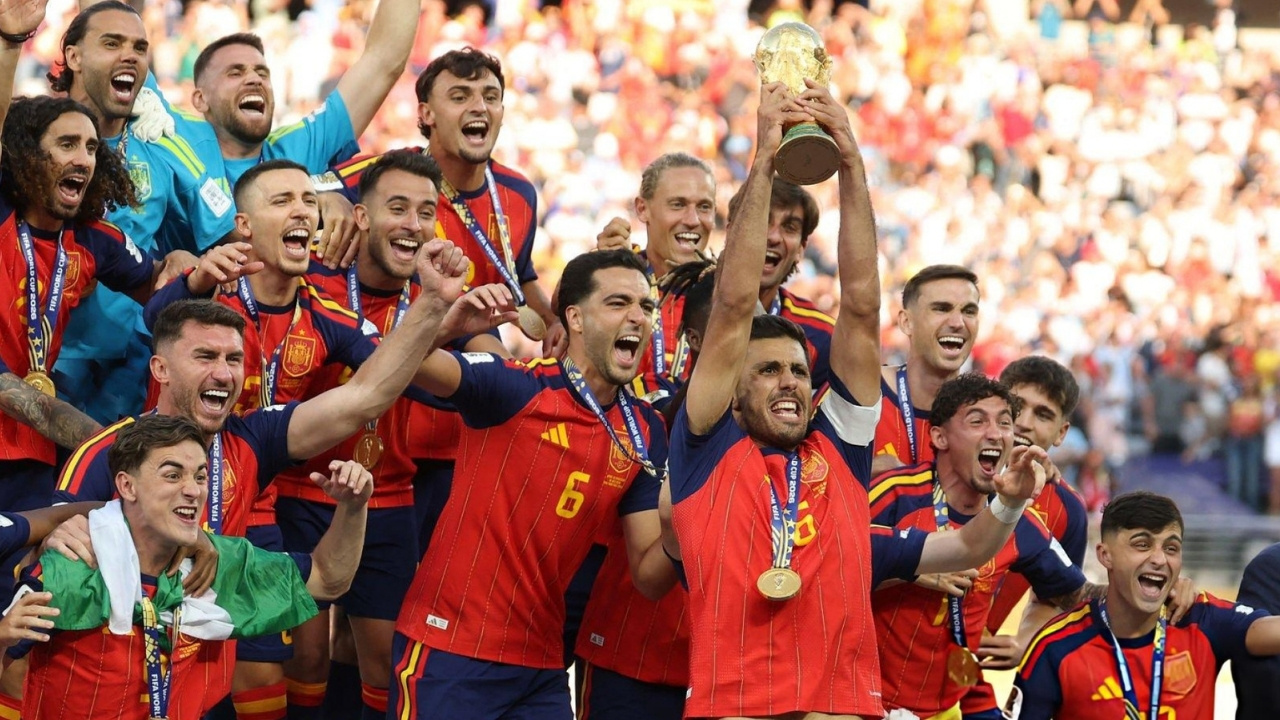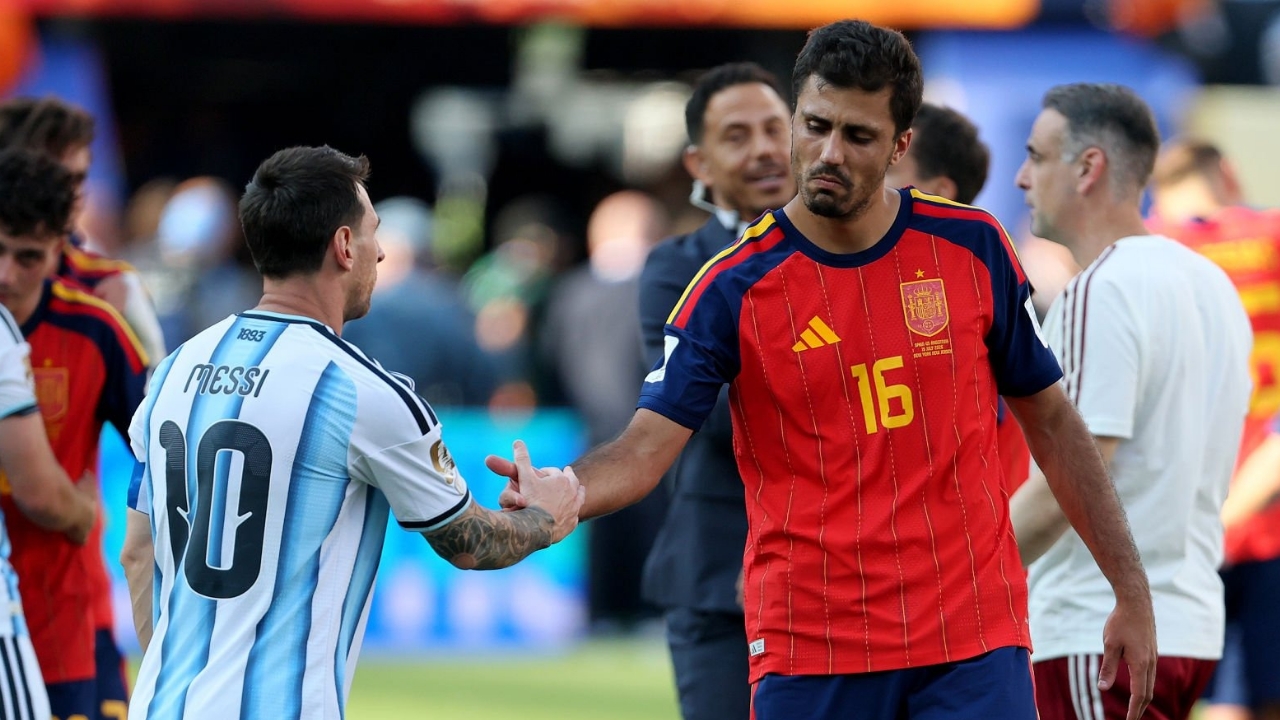

Lionel Messi inspired another remarkable Argentina comeback as the defending champions came from behind to beat England 2-1 in a dramatic World Cup semi-final at Mercedes-Benz Stadium on 16 July, setting up a final against European champions Spain in New Jersey on Monday.
England had appeared on course for their first World Cup final since 1966 after Anthony Gordon fired them ahead ten minutes into the second half, but Argentina refused to accept defeat, scoring twice in the closing stages to complete a stunning turnaround in front of 68,239 fans.
The first half offered little in the way of quality, shaped instead by physicality and repeated stoppages, with the opening 45 minutes producing the longest wait for a shot in World Cup history. Elliot Anderson was booked for a challenge on Messi as tempers flared throughout a niggly opening period that yielded almost twenty fouls between the two sides.

England broke the deadlock in the 55th minute through a well worked move, as Harry Kane’s pass eventually found its way to Morgan Rogers, whose low cross was turned in by Gordon after he stole in front of Nahuel Molina. Djed Spence then produced a crucial last ditch tackle to deny Giuliano Simeone moments later and preserve England’s advantage.
Argentina responded by throwing everything forward, with Jordan Pickford twice called into action to deny Julian Alvarez and later Nico Gonzalez, while Alexis Mac Allister struck the post with a header as the pressure built relentlessly. Thomas Tuchel turned to Dan Burn and Nico O’Reilly in an attempt to shore up his defence, but the changes did little to ease the growing strain, and England were finally undone in the 85th minute when Fernandez, having been denied by Pickford moments earlier, controlled a pass from Messi on the edge of the box and drilled a fierce strike beyond the goalkeeper.
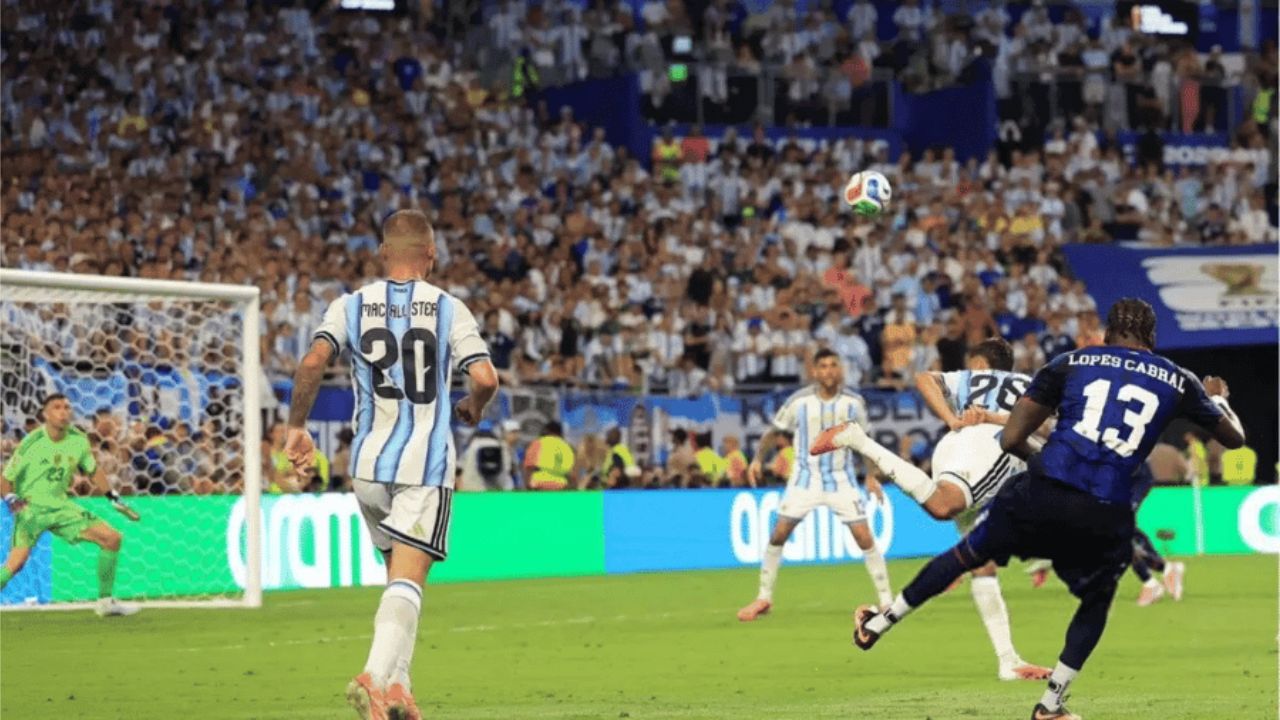

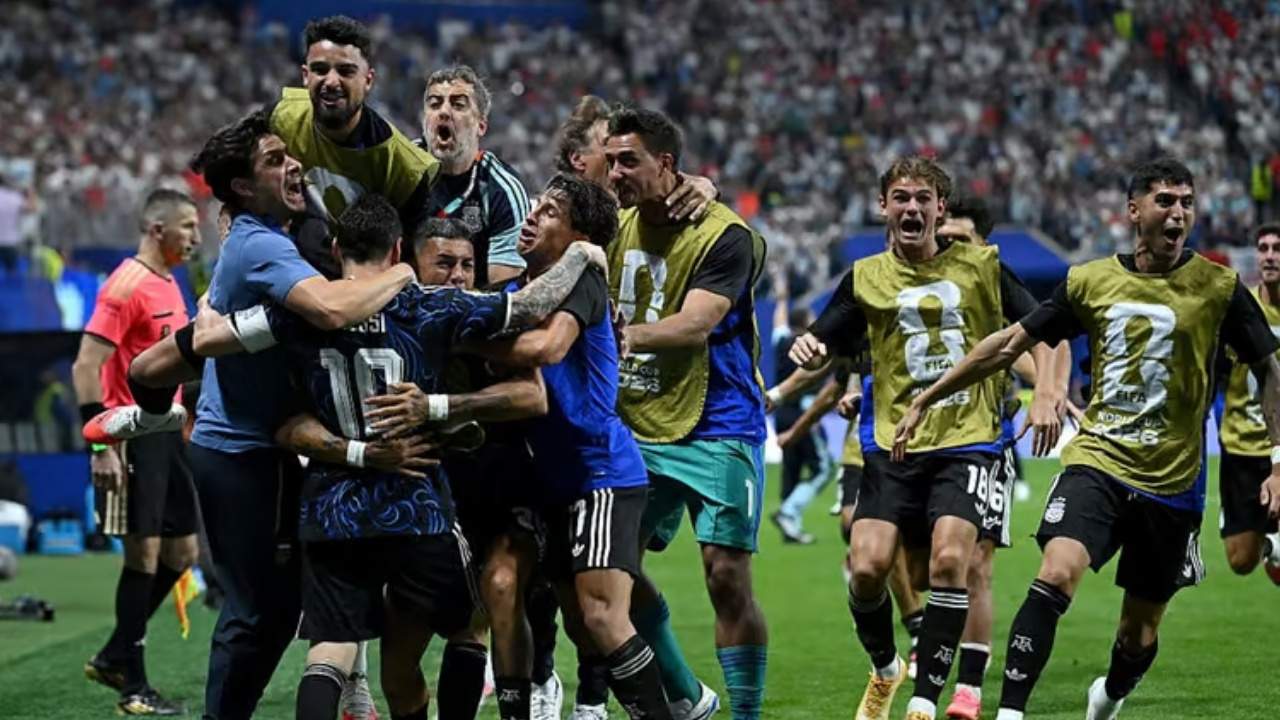
Worse followed for England deep into stoppage time. Messi, showing no sign of his 39 years, whipped in a superb cross from the right with his weaker foot, and substitute Lautaro Martinez rose to head home the winner and send Argentina’s bench into wild celebration.
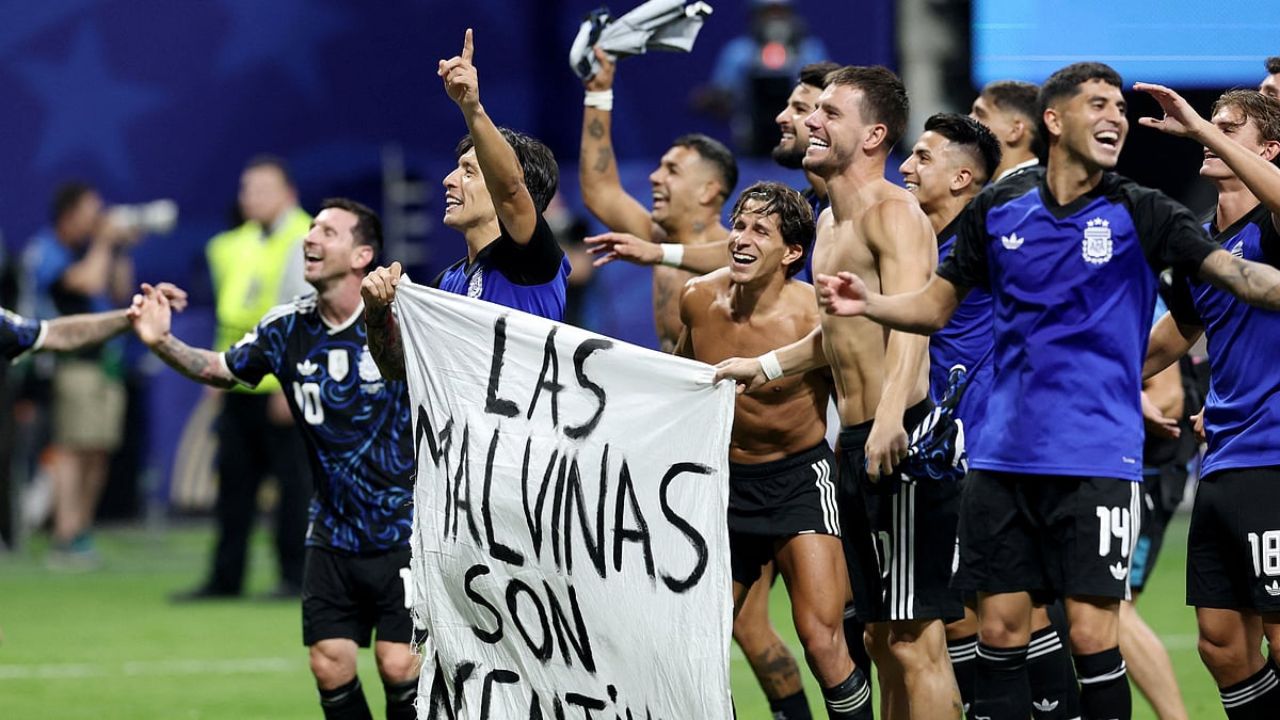
Among the scenes that followed, Giovani Lo Celso and Nicolas Otamendi unfurled a banner reading Las Malvinas son Argentinas, referencing Argentina’s ongoing sovereignty claim over the Falkland Islands, a gesture that is likely to draw scrutiny from football’s governing body given the sensitivities surrounding the 1982 conflict between the two nations.
Tuchel’s decision to retreat into a back five while leading was heavily criticised as the match slipped away, with his players unable to retain possession or relieve the pressure once Argentina found their rhythm. England’s wait for a first World Cup final since their solitary triumph in 1966 goes on, and they will instead face France in Sunday’s bronze medal match in Miami.
For Argentina, the victory extends their remarkable habit of leaving matches late this tournament, following similar comebacks against Cape Verde and Egypt earlier in the competition. Messi will now become only the second player after Brazil’s Cafu to appear in three World Cup finals, as Lionel Scaloni’s side chase a feat no nation has managed since Brazil in 1962, retaining the World Cup, with Spain standing between them and history.