


Public-private partnerships could hold the key to securing safe drinking water for Bangladesh’s most climate-vulnerable communities, Dutch Ambassador Joris Van Bommel has said.
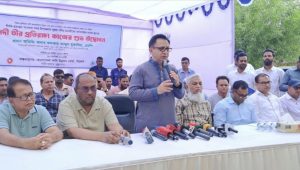
Speaking to journalists during a visit to “Building Water Business” programme of Max Foundation in Barishal on Thursday, the envoy highlighted how innovative, community-led initiatives are paving the way for sustainable water systems.
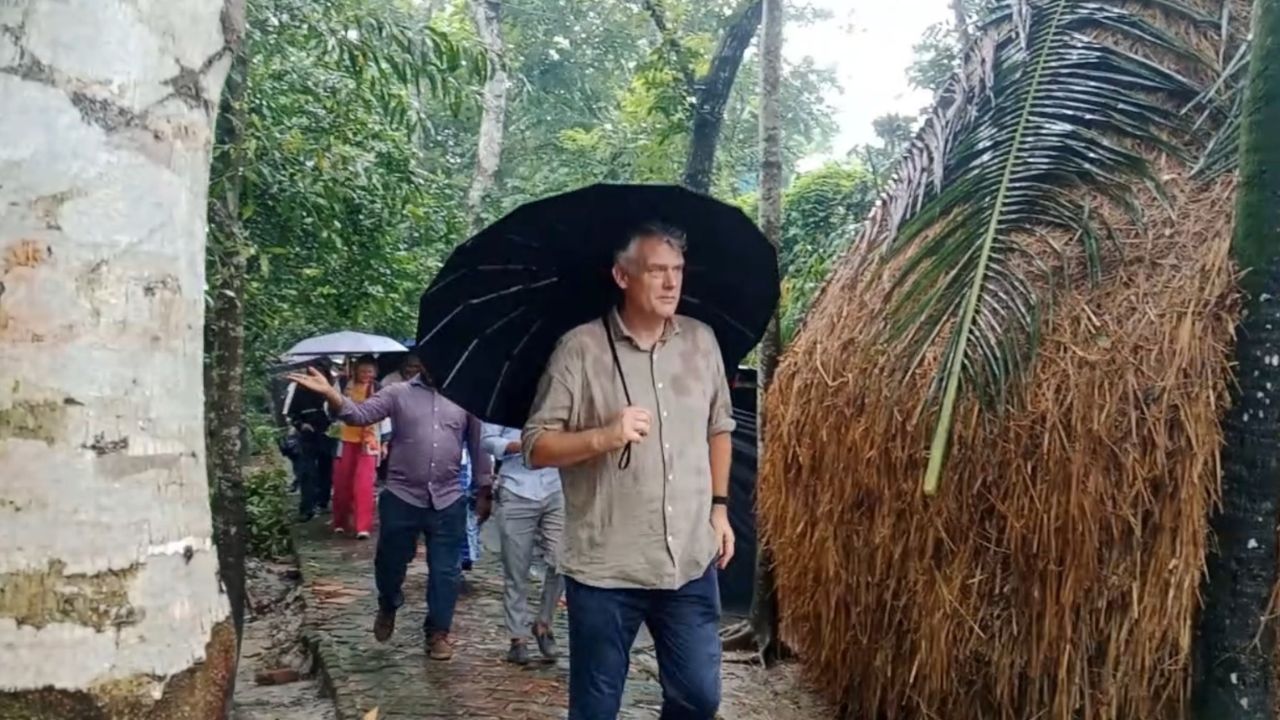
The ambassador visited an off-grid facility at Dudholmou in Bakerganj under the district to observe how smart, low-maintenance piped water systems, integrated with digital payment solutions, enable efficient operations, transparent revenue collection, and a financially viable water business in challenging environmental contexts.
Van Bommel noted that Netherlands and Bangladesh share deep similarities in water management, as both nations are shaped by deltas, rivers, and the sea.
“Water, delta, sea and rivers provide a strong basis for cooperation between Netherlands and Bangladesh,” he said, emphasising that bilateral water cooperation must focus on ensuring drinking water access for all.

The envoy explained that his visit, alongside Max Foundation and Max Social Enterprise, aimed to examine how the “last mile” of water connectivity could be addressed to deliver piped water directly into homes.
This household tap-water access is critical not only for improving water quality but also for reducing the daily burden on women and girls, who are often forced to travel long distances to fetch water, he added.
The experience in Barishal, the ambassador noted, demonstrates that sustainable water services can be successfully developed through close cooperation among the government, the private sector, and local communities.


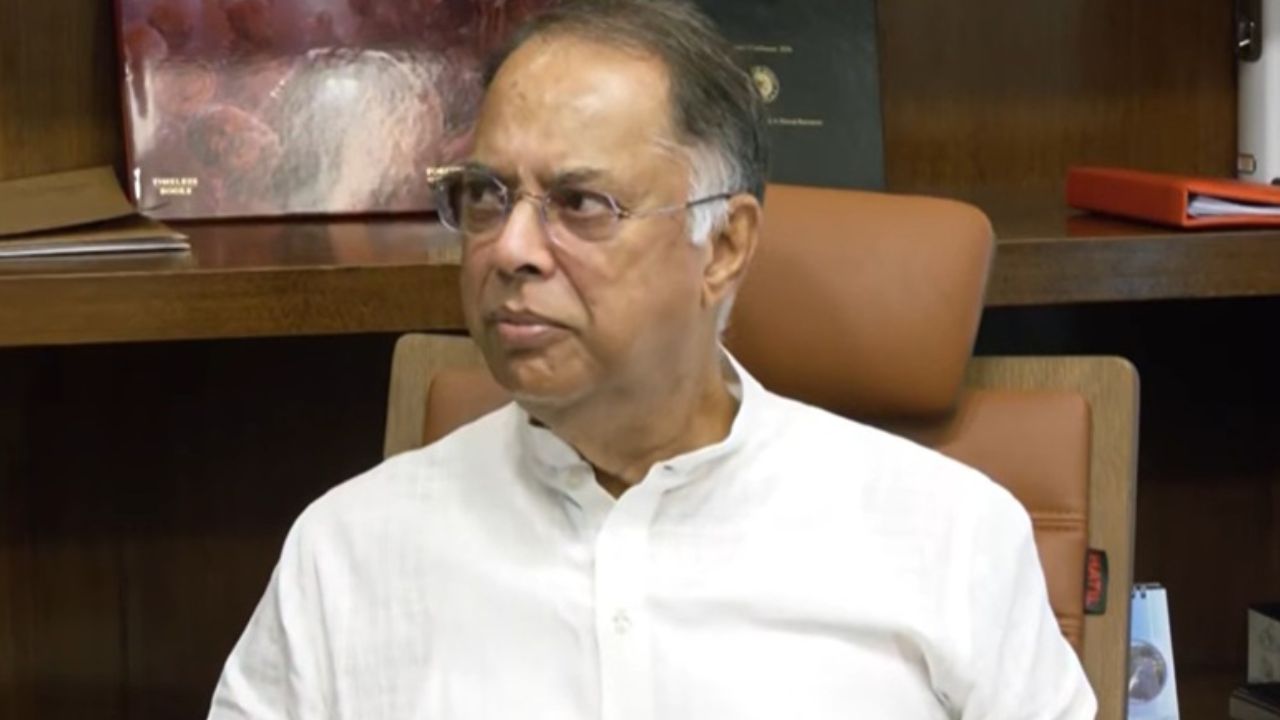

“We sincerely believe that that’s a sustainable solution to make sure that every household in Bangladesh do get access to water in the house, but also that it’s affordable in a public-private partnership perspective way,” he said.
The visit to the off-grid facilities provided a firsthand look at how these systems operate sustainably at the community level.
Van Bommel expressed his satisfaction at seeing Netherlands collaborate with Bangladeshi communities and businesses through Max Foundation and Max Social Enterprise.
“We can make a difference if we work together with companies and with communities,” he said.
Joke Le Poole, founder and director of Max Foundation, shared that the organisation began its work more than two decades ago, initially focusing on water, sanitation, and hygiene as vital interventions to prevent child mortality.
The NGO chose to work in Bangladesh due to its high needs and population density, starting its operations in Barishal with water wells, many of which remain fully functional after 15 to 20 years.
However, as local economic capacity grew, communities began seeking better access, Le Poole observed, adding that piped water at home delivers immense health benefits and that families are increasingly willing to pay for these services.
Dr ATM Tariqul Islam, country director for Max Foundation Bangladesh and Nepal, explained that Max Foundation and Max Social Enterprise have pioneered a business-based solution for piped drinking water across Barishal and Patuakhali.
Unlike traditional aid- or donation-dependent projects, this model operates as a Market Based Solution to water supply, where customers pay a monthly fee for the water they consume.
The initiative has already established approximately 100 water grids and is gradually introducing advancements such as solar power and automation to lower operating costs and enhance long-term financial sustainability, Tariqul added.
He noted that this reliable piped water access has already contributed to a decline in skin and stomach diseases, while significantly easing household chores for women by shortening travel distances and improving access to private wash facilities.
Dutch Embassy First Secretary (Water and Climate) Klaassen Inge, Senior Financial Advisor Aminul Islam, and Max Social Enterprise Managing Director Yameen Farook were also present during the visit.