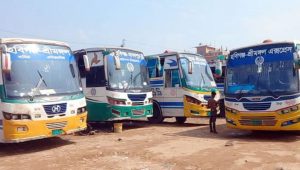




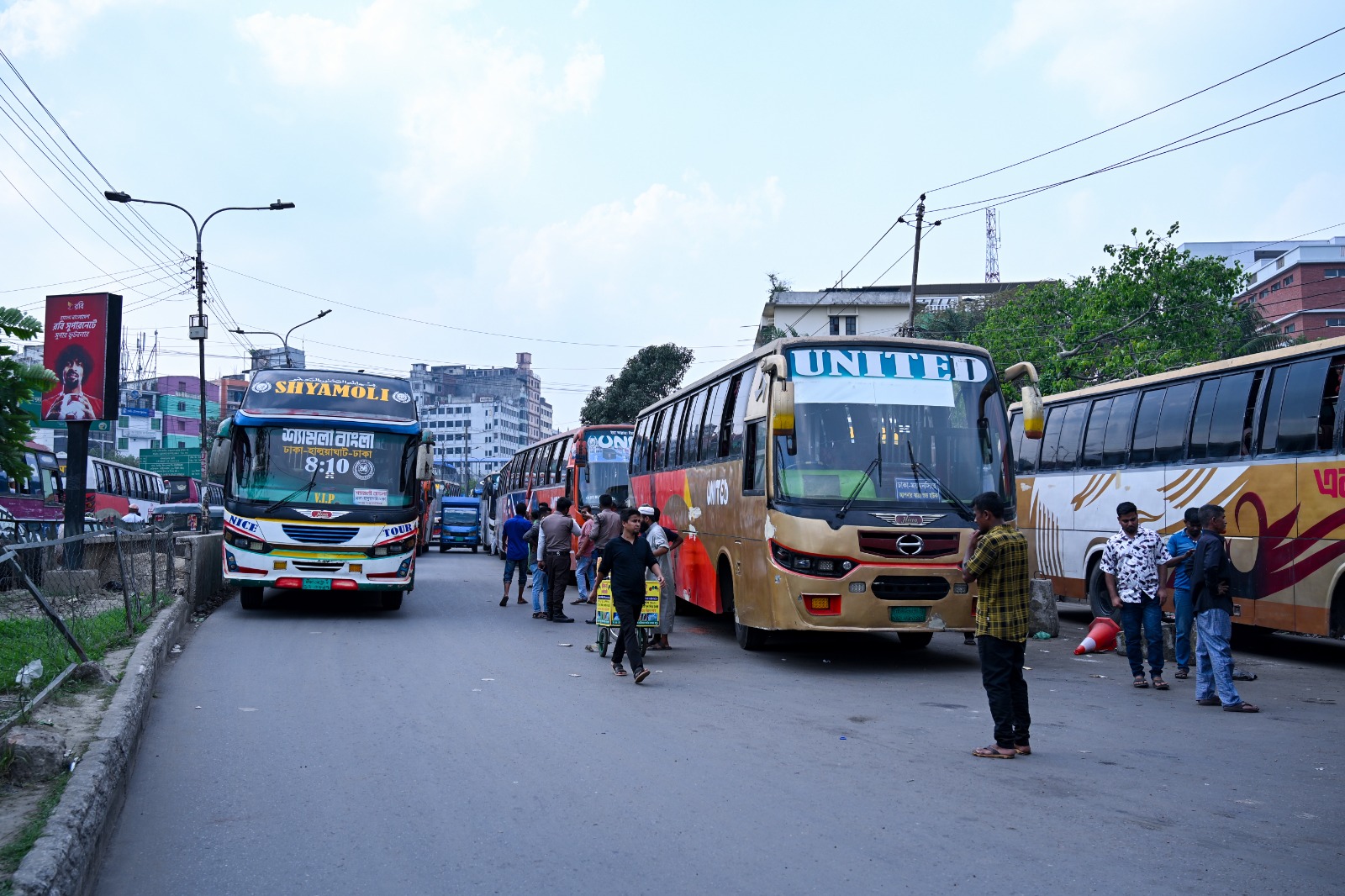
The Mohakhali inter-district bus terminal witnessed a scene of significant confusion this weekend as passengers struggled with inconsistent bus fares following the government’s recent price adjustments.
Despite a relatively low turnout on a Friday afternoon, the atmosphere was thick with frustration as travellers moved from counter to counter, attempting to discern the actual cost of their journeys.

The government recently announced a fare increase of 11 paisa per kilometre following a rise in fuel prices.
However, history suggests these adjustments rarely reflect reality on the ground; previous government orders to reduce fares by 2 or 3 paisa per kilometre were never implemented in practice.
Conflicting claims
For passengers like Nasrin Akter, who was travelling to Mymensingh, the experience has been one of constant contradictions. “The counters say one thing, but once you are on the bus, they say something else,” she told TIMES of Bangladesh.

“Midway through the journey, they claim the fare has increased. We cannot understand what the actual rate is.”
This sentiment was echoed by Ariful Islam, a passenger bound for Bogura, who alleged significant overcharging. “I used to travel for Tk300; now they are demanding Tk400 to Tk500,” he said.
Rakib Hasan, a college student also heading to Mymensingh, described a chaotic pricing environment.


“I checked three different counters, and they gave me three different rates. I eventually bought a ticket from the one that seemed cheapest, but I am still not sure if it was the correct price,” he remarked.
His companion, Torikul Islam, noted that the lack of a visible, fixed fare chart was the root of the problem.
Operators cite lack of direction
Transport workers at the terminal defended the inconsistencies, citing a lack of official communication. A worker for United Transport on the Dhaka-Mymensingh route stated that they had yet to receive a formal fare chart from the Bangladesh Road Transport Authority (BRTA).
“We will charge according to the rates determined by the BRTA once we receive them. Until then, we cannot say anything for certain,” he explained.
Staff at Shyamoli Bangla similarly reported that they had received no specific directives from their association. Meanwhile, a supervisor at SR Travels highlighted the pressure from both sides, “Passengers think we are overcharging, but we are under pressure to manage rising costs.
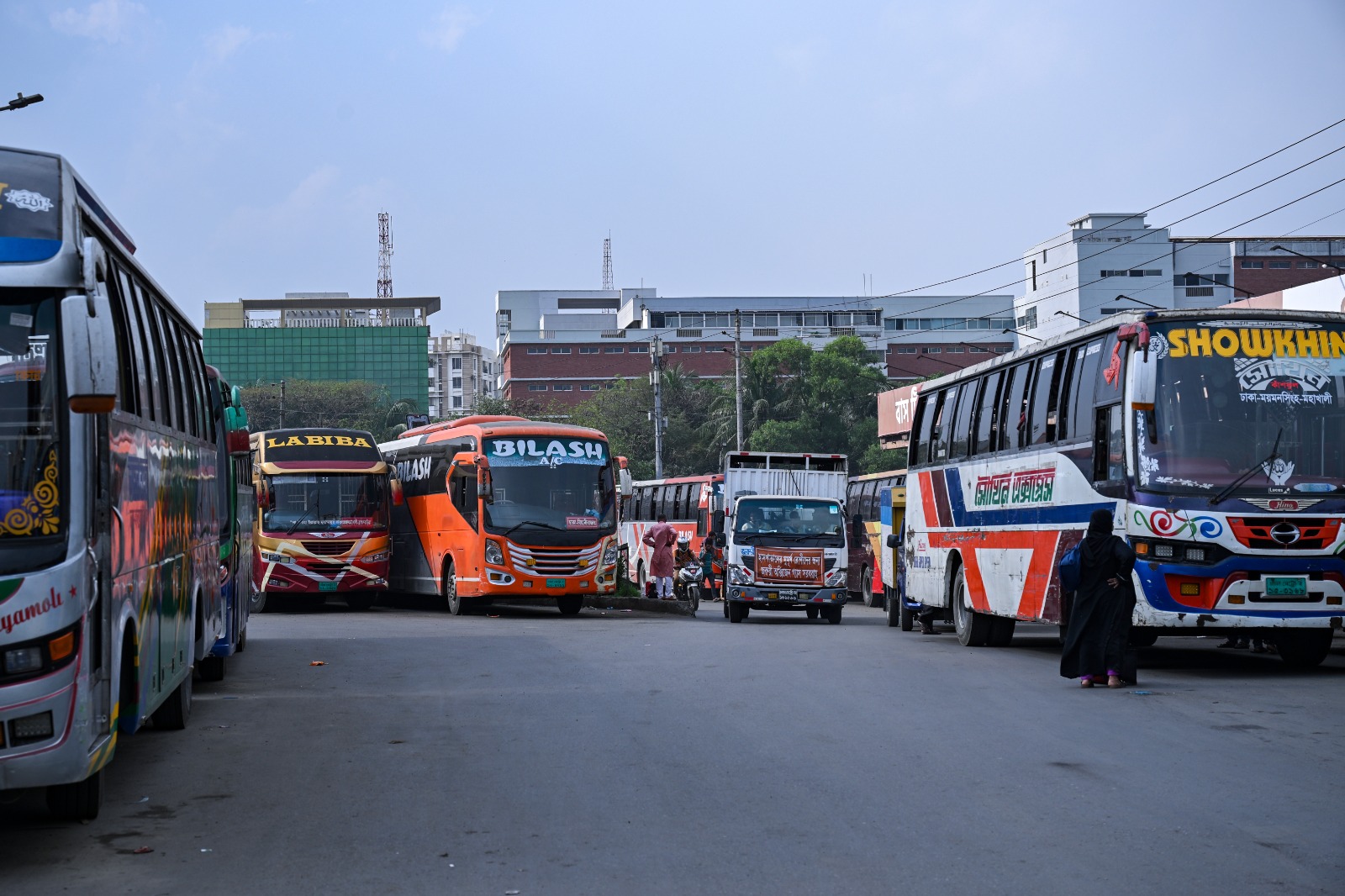
“Without clear instructions, this situation is difficult to handle.”
Some workers admitted that the reality of the road forced their hand. A driver for Ekota Transport pointed out that fuel prices, tolls, and other expenses have all risen. “We have our own calculations to consider,” he said.
An anonymous ticket seller further revealed that staff are often pressured to collect specific sums of money, which sometimes necessitates charging passengers slightly more.
The calculation gap
While the government’s fare structure is based on a specific formula involving distance, seat capacity, and the rate per kilometre, the application remains inconsistent. For example, the distance from Mohakhali to Mymensingh is 116 kilometres.
Under the current structure for a 40-seat bus, the fare should have risen from Tk315 to Tk330. Whether this rate is being honoured in the field remains a point of contention.
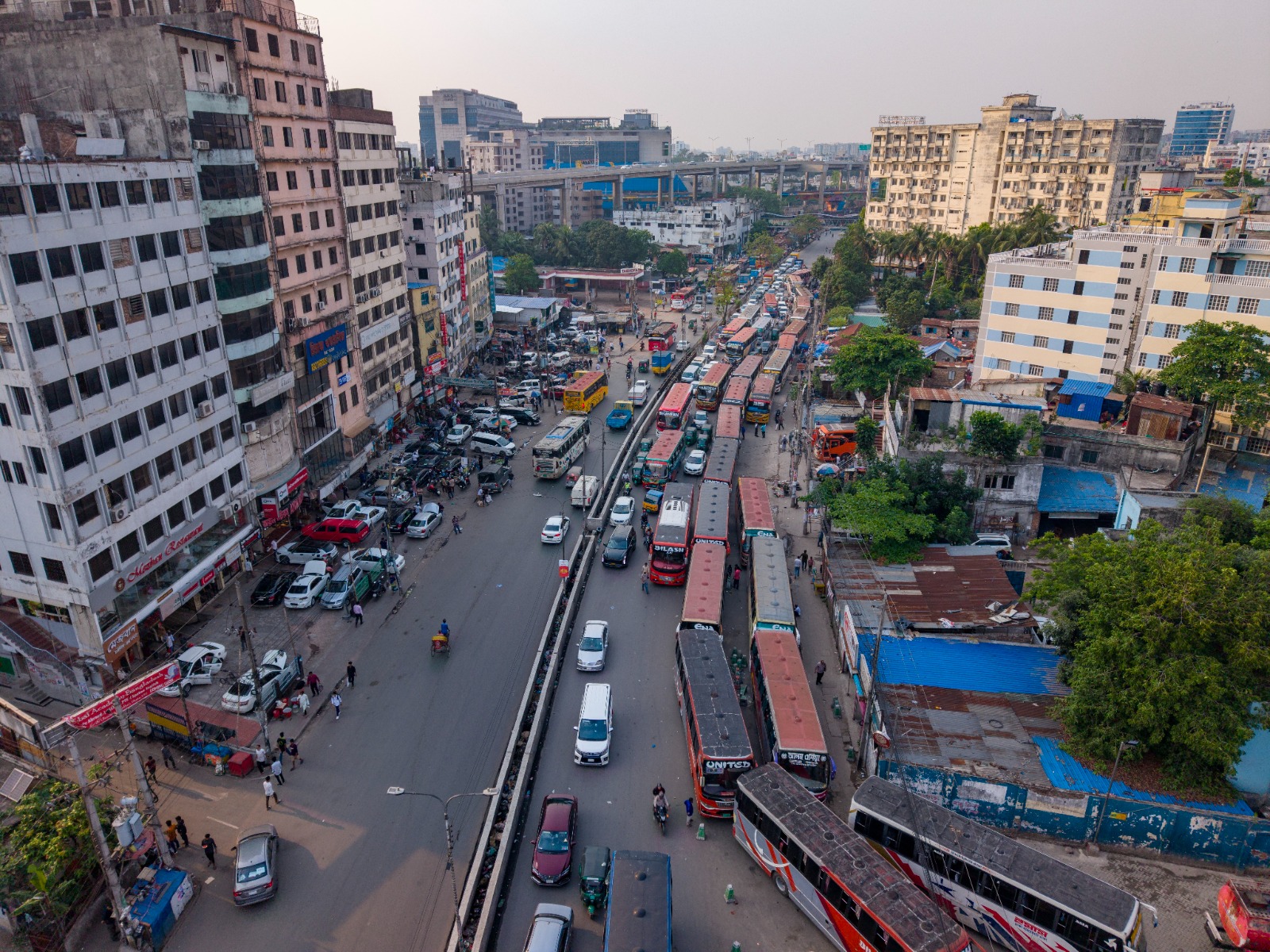
A worker from Shoukhin Paribahan emphasised that the implementation of government decisions needs to be swifter to avoid such chaos. “We don’t increase fares intentionally. The pressure of fuel prices, driver and helper salaries, and tolls fall on us,” he said.
For veteran travellers like Abdul Halim, the situation is simply exhausting. “The government says one thing, the counter says another, and once you board the bus, you hear a third version,” he lamented. “How are ordinary people supposed to know what is right?”