Bollywood has lost one of its brightest stars, Dharmendra, the man who was adored as the industry’s original ‘He-Man’. The veteran actor passed away at his Mumbai home at the age of 89. With his departure, an era of unmatched charisma, grace and cinematic magic gently comes to a close.
For more than six decades, Dharmendra lived in the hearts of millions; not just as an actor, but as a symbol of warmth, humility and effortless charm.
Born on December 8, 1935 into a modest family in Nasrali, Punjab, he grew up with values shaped by his schoolteacher father and by a childhood touched by the turmoil of partition. Those experiences forged a resilience that would define both the man and the star he later became.
His journey to fame was anything but easy. After matriculating in 1952 and briefly attending Punjab University, he moved to Mumbai with little more than a dream. The turning point came when he won the Filmfare Talent Contest, a gateway to an extraordinary cinematic life.
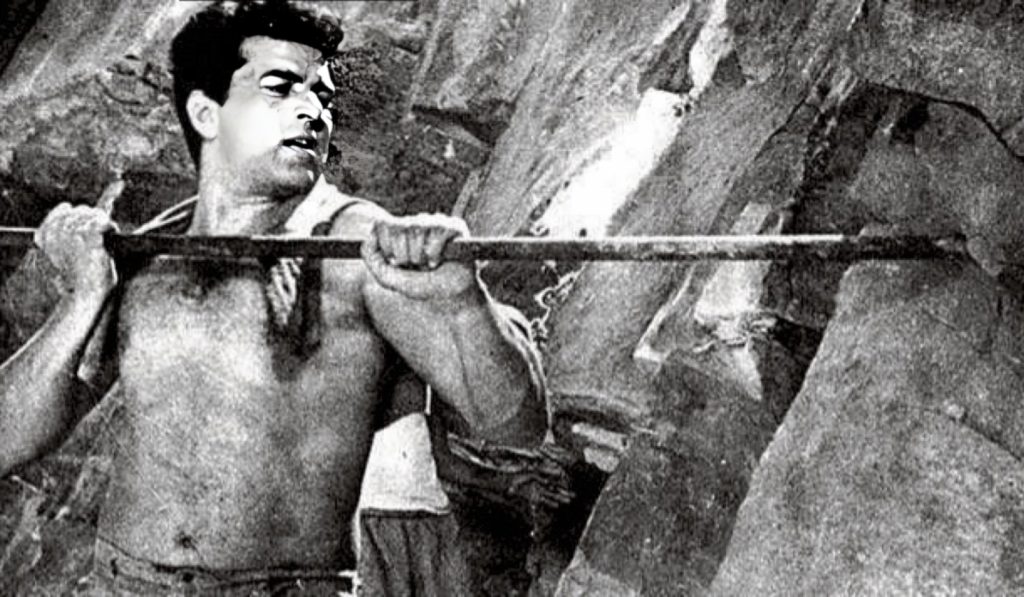

Dharmendra’s debut, ‘Dil Bhi Tera Hum Bhi’ (1960), did not succeed commercially, yet even in those early supporting roles, there was a spark. That spark turned into a blaze with ‘Bandini’ (1963), ‘Haqeeqat’ (1964) and the blockbuster ‘Phool Aur Patthar’ (1966).
Soon after, ‘Garam Dharam’ emerged; a romantic hero who could fight with conviction, flirt with a wink and break hearts with a smile.
By the 1970s, he was no longer just a star. He was an institution. ‘Mera Gaon Mera Desh’ (1971), ‘Yaadon Ki Baaraat’ (1973) and countless other films turned him into a box-office titan.
Jaya Bachchan once called him India’s first “Greek god”, a compliment that captured his unmatched screen presence. Across more than 300 films, he delivered 74 hits, a rare feat in any era.




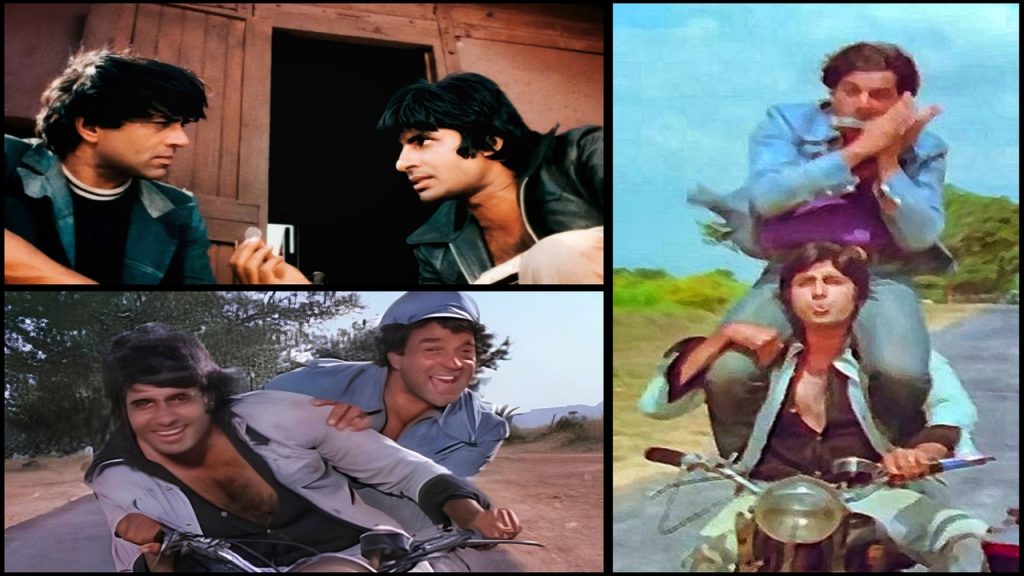
Yet Dharmendra was never confined to one mould. He could move viewers to tears in ‘Satyakam’ (1969), leave them in stitches in ‘Chupke Chupke’ (1975) and give them a cult hero in Veeru from ‘Sholay’ (1975), a role that would carve his name permanently into the history of Indian cinema. His films travelled far beyond India’s borders; ‘Dharam Veer’ (1977), for instance, sold a staggering 32 million tickets in the Soviet Union.
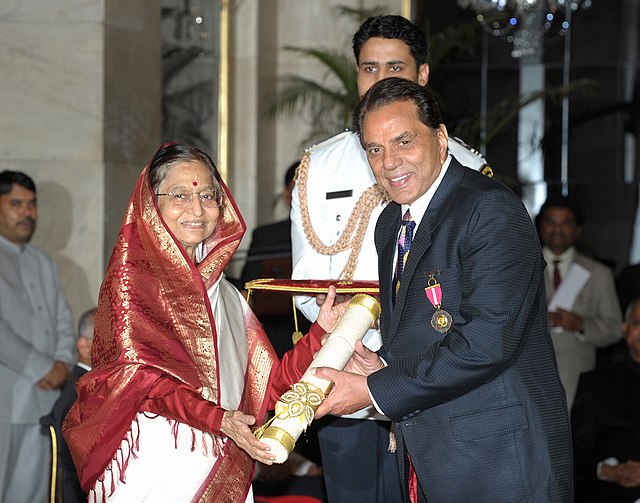
His legacy extended beyond acting. He nurtured the careers of his sons, Sunny and Bobby, through his production house Vijayata Films. He earned honours such as the Padma Bhushan (2012) and the Filmfare Lifetime Achievement Award (1997) and even took a brief step into politics as a BJP MP for Bikaner.


Dharmendra’s personal life often made headlines. He married Prakash Kaur in 1954 and later, in 1980, married Hema Malini: a union that stirred nationwide debate. But within his family circle, he was known simply as a loving father to Sunny, Bobby, Vijayata, Ajita, Esha and Ahana.
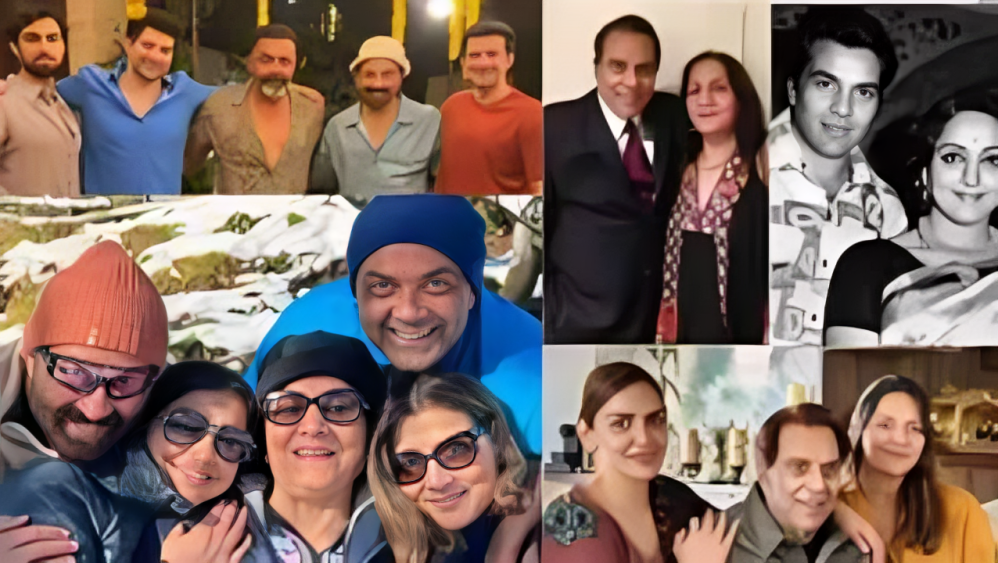
Even in his final years, Dharmendra never fully stepped away from the spotlight. He charmed audiences with roles in ‘Apne’ (2007), the ‘Yamla Pagla Deewana’ series and most recently appeared in ‘Teri Baaton Main Aisa Uljha Jiya’ (2024). His last film, ‘Ikkis’ (2025), now stands as a final testament to a career that refused to fade.
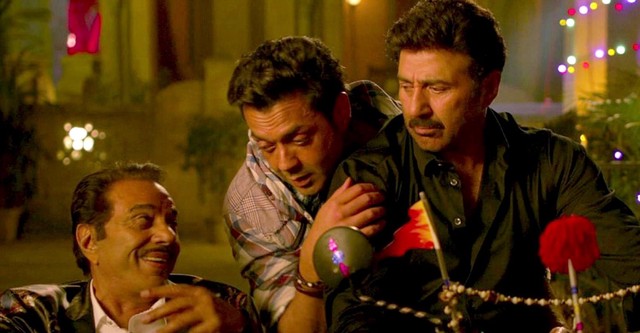
With his passing, Bollywood loses not just an actor, but a slice of its soul. Dharmendra leaves behind a legacy of strength, romance, laughter and enduring humanity. Generations grew up watching him, admiring him and loving him.
And now, as the curtains fall on a life lived in full light, the industry stands united in grief, remembering a man whose presence on screen felt larger than life and whose heart, by all accounts, was even larger.
Farewell, Dharam ji. The world of cinema will never see another quite like you.