


Long before viral clips and social media debates became part of everyday life, one football match in the FIFA World Cup 1986 generated a cultural legacy that has endured for generations.
Forty years after Argentine football legend Diego Maradona’s two iconic goals against England at the 1986 FIFA World Cup, the event continues to find new life through documentaries, television dramas, books and digital media, proving that its influence extends far beyond the sport itself.
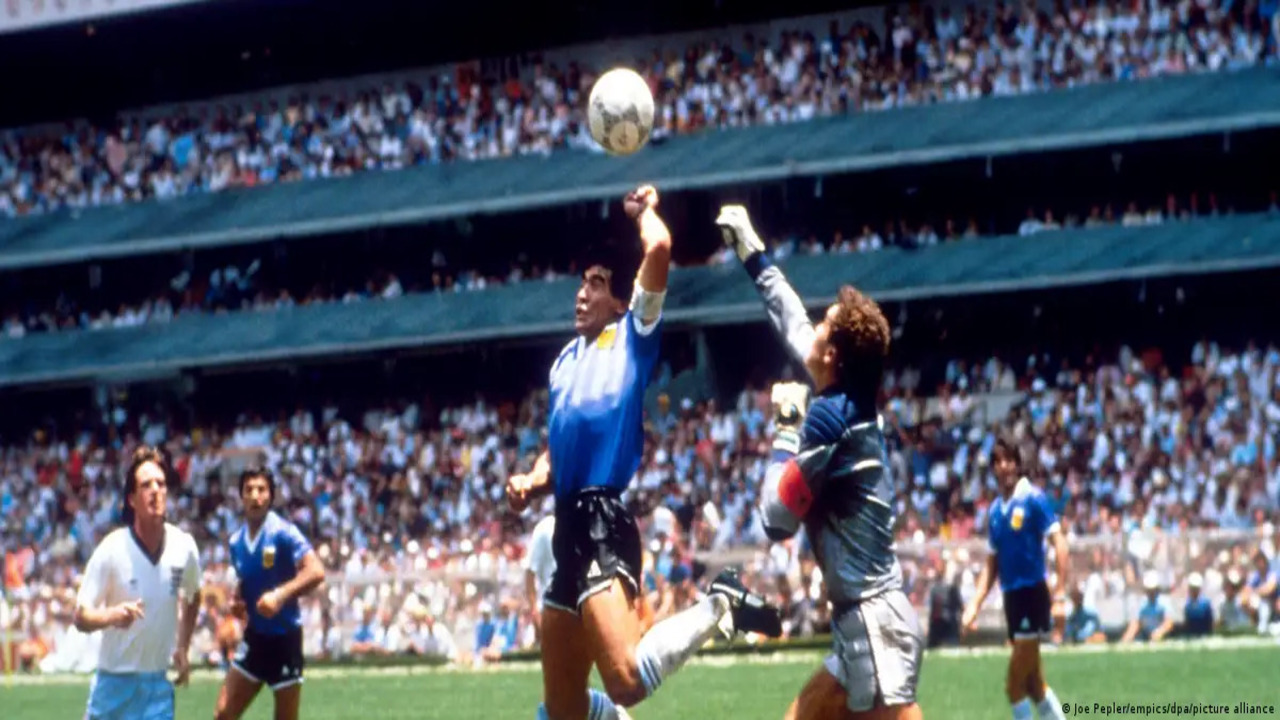
On June 22, 1986, at the Estadio Azteca, the Argentine football legend scored twice within four minutes during Argentina’s quarter-final victory over England. The first goal, controversially punched into the net with his left hand, escaped the attention of match officials.
Moments later, Maradona produced a remarkable solo effort, dribbling past five England players before scoring what would later be known as the ‘Goal of the Century ‘.
Four decades on, the encounter remains one of the most discussed moments in sporting history and continues to captivate filmmakers, writers, artists and cultural commentators around the world.

Its enduring appeal is reflected in numerous documentaries and television productions that have revisited the match and its significance. One acclaimed documentary dedicated substantial attention to the England game, presenting it as a defining chapter in Maradona’s life and legacy.
The 2021 biographical television drama series ‘Maradona: Blessed Dream’ revisited the famous encounter, introducing one of football’s most enduring stories to a new generation of viewers.
Part of the match’s lasting significance lies in its historical backdrop. The game took place only four years after the conflict between Argentina and the UK, giving the result a deeper emotional resonance for many Argentinians.




For supporters in Argentina, the victory came to symbolise defiance and national pride. The controversial goal became known as the ‘Hand of God ‘, while Maradona’s status grew beyond that of a footballer to that of a national folk hero.
In England, however, the memory evolved differently. The goal became a lasting symbol of sporting injustice and remains one of football’s most debated incidents.
For decades, it has featured in television discussions, documentaries, newspaper columns and even comedy sketches. The controversy ensured that the moment remained alive in public consciousness long after the final whistle.
Yet over time, attention has increasingly shifted from the illegal goal to the extraordinary one that followed.
Maradona’s second goal is widely regarded as one of the greatest individual achievements in football history. It has been replayed countless times in documentaries, advertisements, highlight reels and museum exhibitions celebrating the sport.
For many observers, it transformed the match from a controversy into a work of athletic artistry.
The phrase ‘Hand of God’ itself has entered the global cultural lexicon. Even people with little interest in football often recognize the term, as it has been referenced in books, songs, films, television programmes and social media discussions, becoming shorthand for a moment that combined controversy, brilliance and mythology.
The rise of digital media has only strengthened its legacy. Every year on June 22, footage of the match resurfaces across social platforms, attracting fresh debates and new interpretations.
Younger audiences who never witnessed the event live continue to engage with it through documentaries, streaming platforms and online content. Few sporting moments have generated such a rich afterlife in popular culture.
Four decades on, Maradona’s actions in Mexico are remembered not simply as goals scored in a football match but as cultural symbols that continue to inspire discussion, debate and storytelling across generations.
In the process, the 1986 encounter between Argentina and England has secured a place not only in sporting history but also in the broader history of global entertainment and culture.