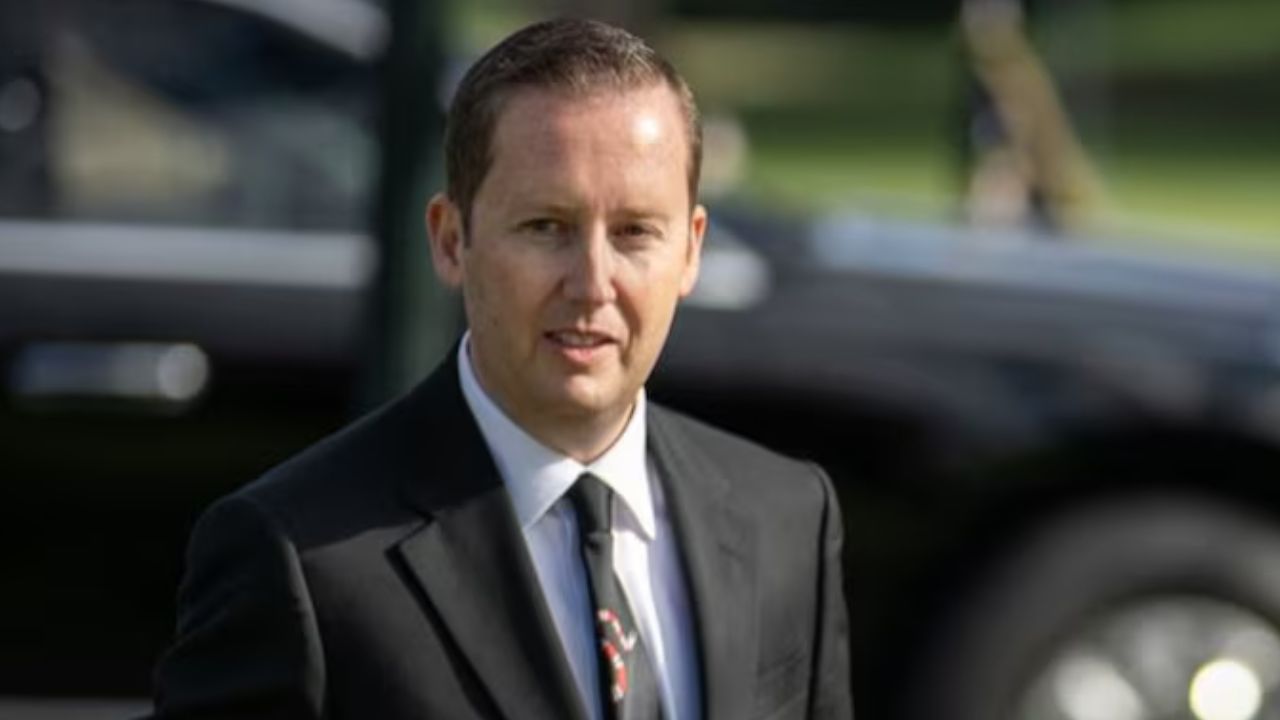

US Ambassador to India Sergio Gor has rejected a report claiming New Delhi had declined a “quick trade agreement” with Washington and was holding out for better terms.
Gor clarified that “no one has rejected anything” and described the Reuters report as “fake news.”
On Monday, he wrote on X: “Fake news alert! No one has rejected anything. Both sides had very constructive meetings and reaffirmed their commitment to finalising a trade deal. We continue to stay actively engaged. Reuters—you can do better!”
His comment came hours after Indian Commerce Minister Piyush Goyal dismissed the story as “completely false, baseless and misleading.”

Fake news alert! No one has rejected anything. Both sides had very constructive meetings and reaffirmed their commitment to finalizing a trade deal. We continue to stay actively engaged.
Reuters – you can do better! https://t.co/7LARDhhtCg— Ambassador Sergio Gor (@USAmbIndia) July 13, 2026


Goyal also stressed that talks remain on track, NDTV reports.
He said, “I had fantastic meetings with USTR Jamieson Greer when he visited Delhi in June. Both sides reaffirmed their commitment to an agreement that is balanced, commercially meaningful, and delivers tangible benefits for businesses, farmers, workers, and consumers in both countries. Our teams remain fully engaged.”
Last month, Gor told the US‑India Strategic Partnership Forum that the trade deal was in its “final stages.”
“Most of this deal is complete. There are a few items that remain on both sides. It’s in the last 1 percent,” he said, noting negotiations had stretched over a year and a half.
“Once we beat the European deal, I think we’re in good shape. But I’m determined to bring this to a close,” he added, according to PTI.
Earlier this month, Goyal described the agreement as “very fair and equitable,” saying both sides were working out the remaining 1 percent.
“It’s a deal that gives us preferential access to the US market… For us, the primary factor in the free trade deal is to get a preference over competitors—our neighbours, Southeast Asian countries—and that’s the lens through which every country has looked at it,” he said.