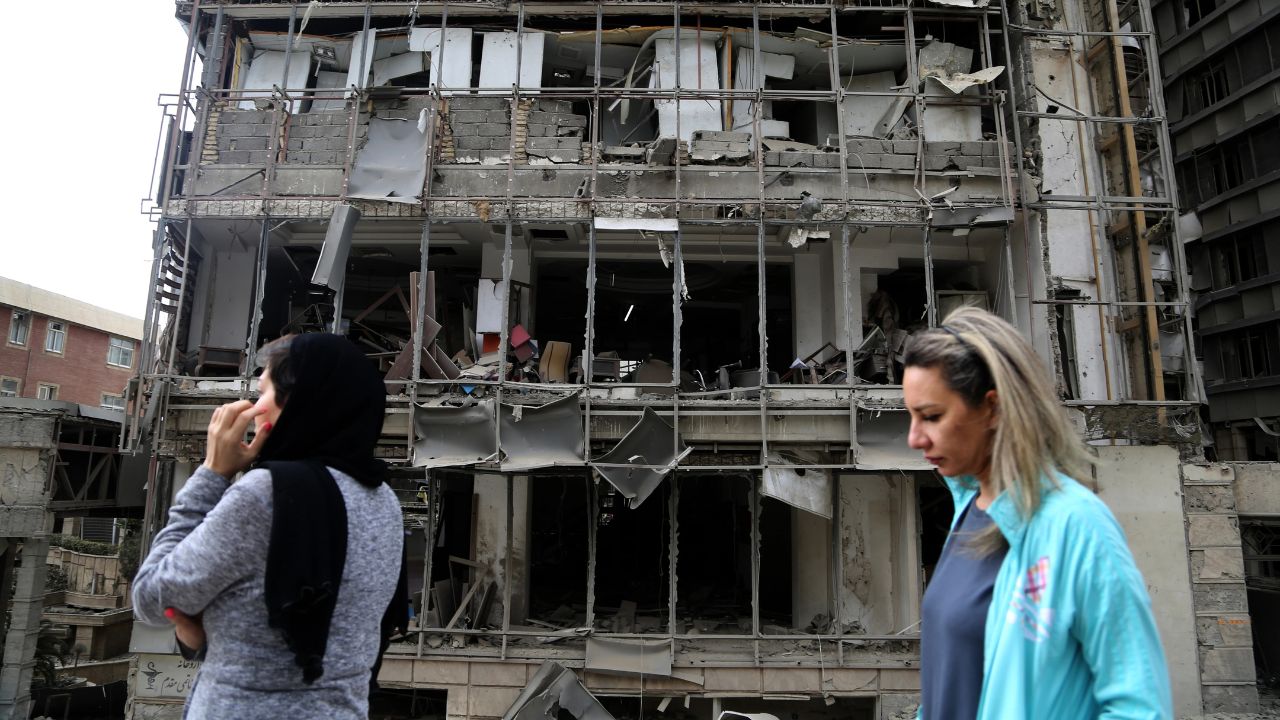



The conflict between Iran, the United States and Israel has entered its seventh consecutive day, rapidly evolving into one of the most dangerous military confrontations in recent decades. What began as targeted strikes on strategic military and nuclear-linked facilities has now escalated into sustained, large-scale warfare with no immediate signs of de-escalation.
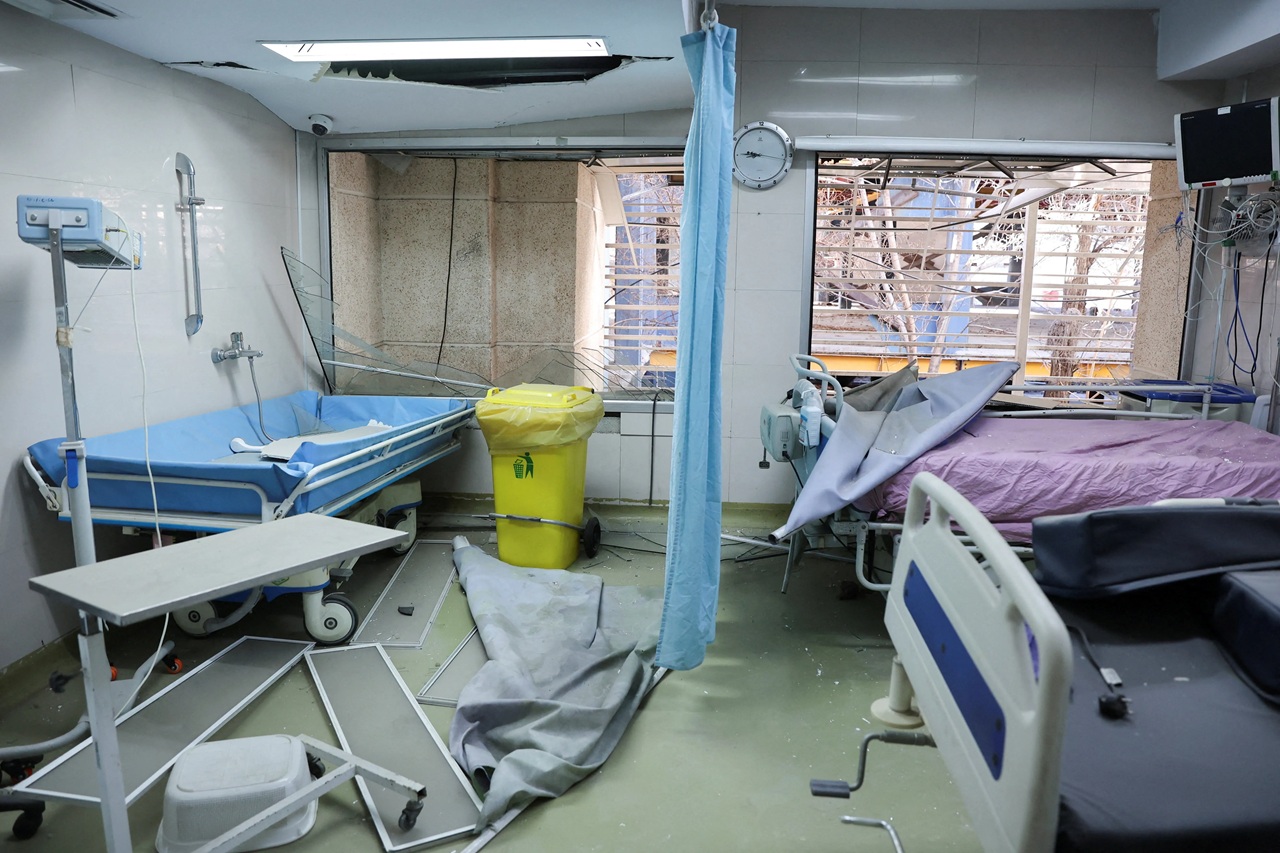
Over the past week, joint US–Israeli forces have carried out repeated air and naval strikes targeting Iranian military infrastructure, including facilities linked to the Islamic Revolutionary Guard Corps (IRGC) and key defensive installations in and around major urban centres.
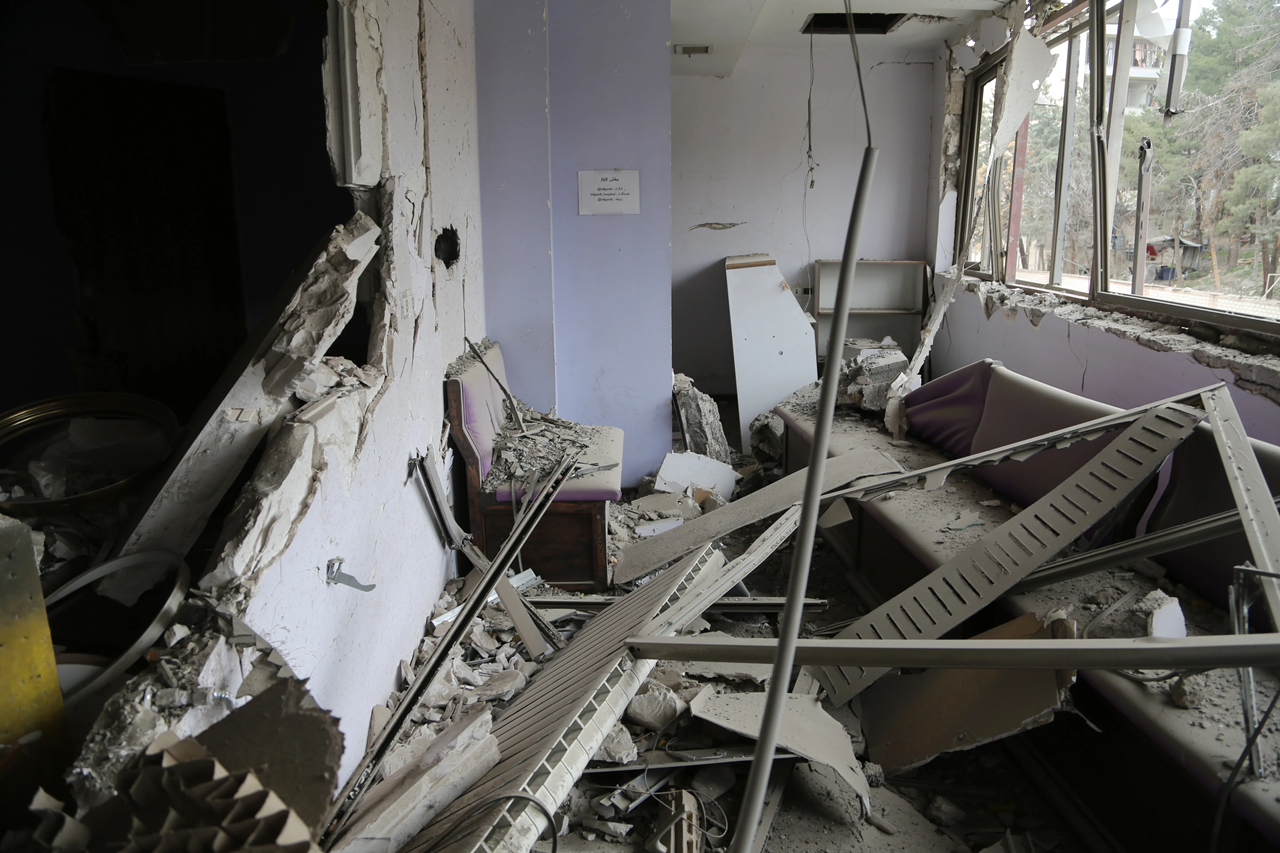
Washington confirmed that US naval forces sank the IRIS Dena, one of Iran’s largest warships, in international waters. The attack reportedly left dozens of Iranian sailors dead or wounded, marking one of the most significant direct naval losses for Tehran in years.

Iran’s retaliation has been swift and far-reaching. Tehran has launched waves of ballistic missiles and armed drones targeting US military bases in the Gulf, allied installations across the Middle East, and infrastructure linked to American partners.


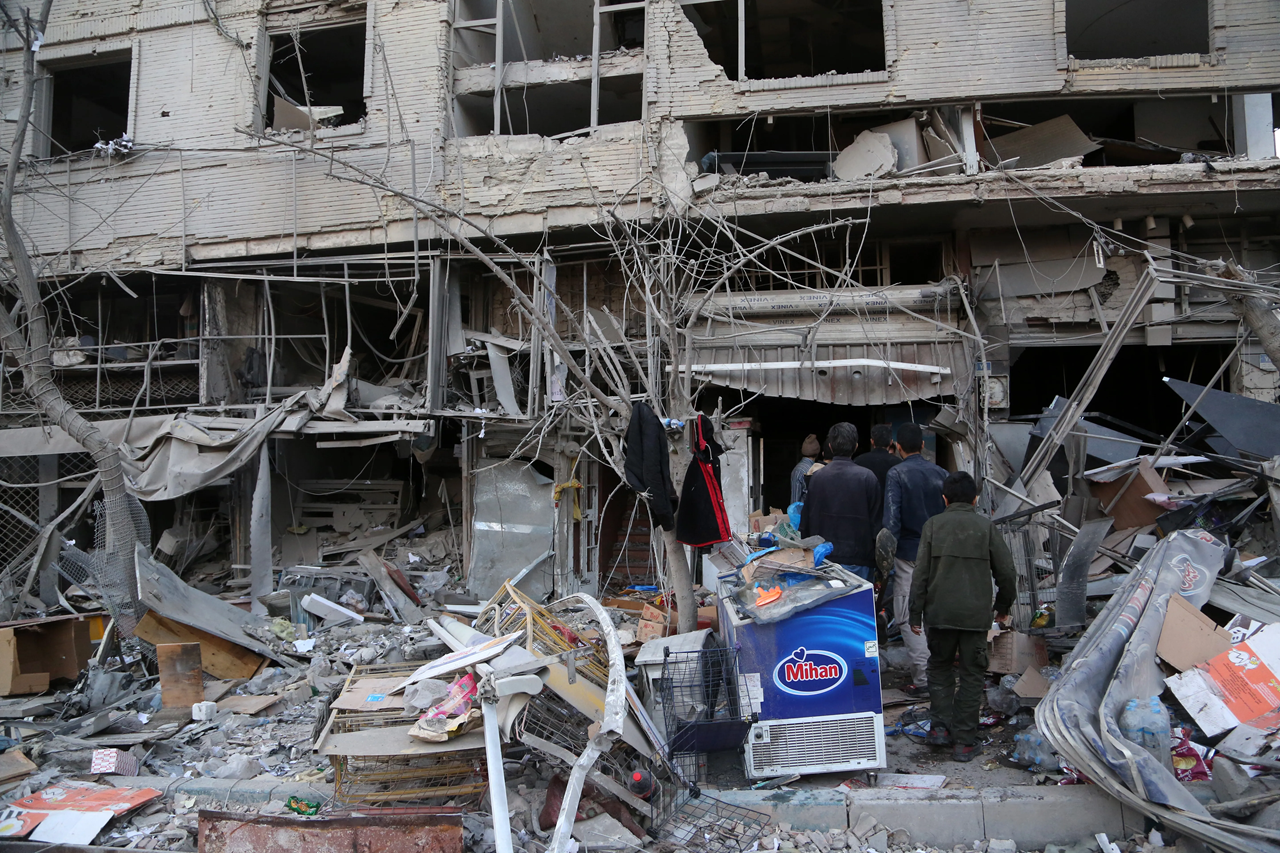
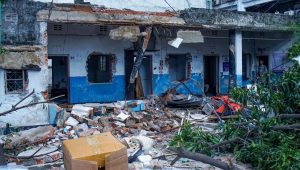
Inside Iran, the humanitarian toll continues to rise sharply. Cities, including Tehran, and more than 150 towns and villages have endured relentless bombardment. Entire neighbourhoods have been reduced to rubble, forcing families into underground shelters, mosques, and improvised safe zones. According to Iran International, the death toll from US–Israeli airstrikes has now reached 1,230, a figure that continues to climb as rescue operations proceed.
The economic fallout is equally severe. Strikes have damaged airports, power grids, fuel depots and industrial centres, deepening pressure on Iran’s already strained economy.

Perhaps most harrowing is the civilian cost. An independent United Nations investigation has condemned military actions by all parties, citing what it described as grave violations of international humanitarian law. Among the incidents under scrutiny is a reported strike on a girls’ school in southern Iran that allegedly killed more than 160 children, a tragedy that has intensified global outrage and calls for accountability.
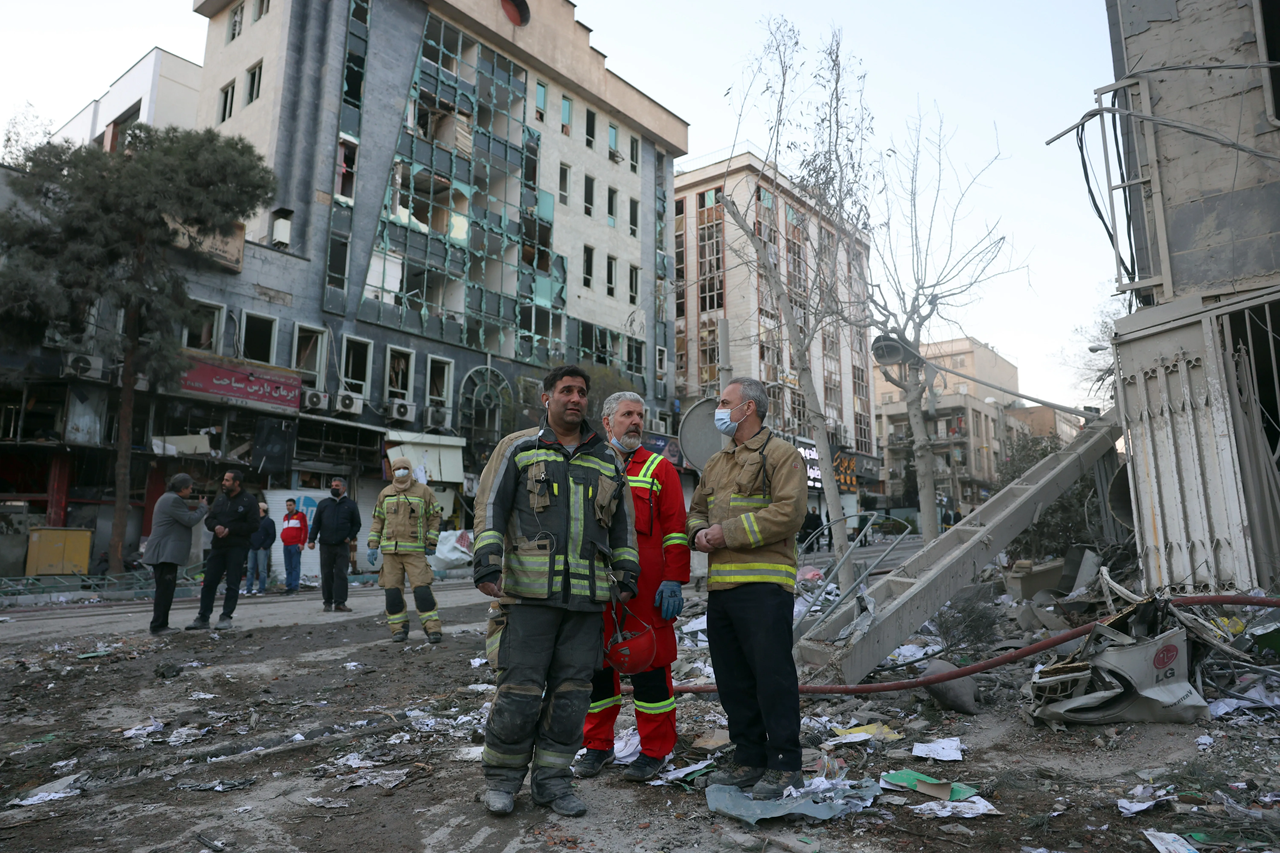
As the war moves into its second week, the human, economic and geopolitical consequences continue to mount. Regional stability hangs in the balance, energy markets remain volatile, and diplomatic pathways appear increasingly distant, leaving millions caught in the shadow of an expanding conflict.