


TIMES International
A massive explosion at a gas facility in Qatar’s Ras Laffan industrial zone killed 13 people and injured 66 others, Energy Minister Saad al-Kaabi said on Monday, in one of the deadliest accidents to strike a Gulf energy installation, reports AFP.
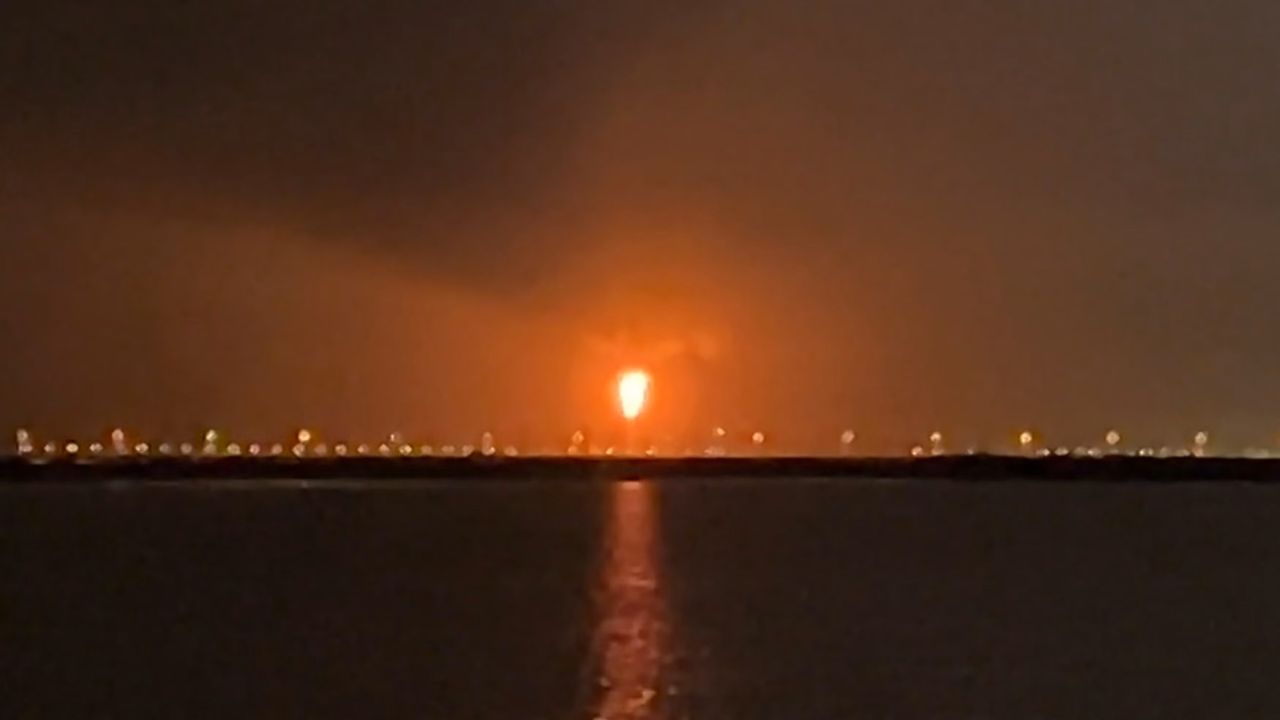
The blast occurred late on Sunday at the Barzan local gas supply facility during the restart of operations at Ras Laffan Industrial City.
Authorities said the incident was caused by a technical malfunction and stressed there was no indication of sabotage, despite recent attacks on Gulf energy infrastructure during the Middle East war.
Kaabi said the dead were Indian and Pakistani nationals and described the incident as a tragic accident.
“We announce the tragic loss of 13 lives of our people who hold Indian and Pakistani nationalities. 66 people have been reported injured and are receiving medical treatment, none of whom are in life-threatening condition,” he said.

The minister said investigations were continuing but insisted the explosion was “an accident and not sabotage or hostile in nature”.
Qatar’s Interior Ministry had earlier described the incident as a “technical incident” before later saying an “internal explosion” caused by a technical malfunction was responsible for the blast.
The explosion took place at a unit supplying gas to local industries and was powerful enough to be heard across Doha.
“It will not affect anything regarding export. It will not affect anything regarding our local requirements,” Kaabi said, adding that the incident had “no environmental impact”.
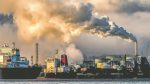


An AFP journalist about 20 kilometres from the site reported seeing bright orange flames and a large plume of smoke rising from Ras Laffan, which hosts the world’s largest liquefied natural gas hub.
QatarEnergy said the explosion and fire occurred “during the start-up of operations at Ras Laffan Industrial City, which resulted in an explosion and fire at Barzan local gas supply facility”.
Emergency response teams were dispatched and the fire was later brought under control, the state-owned company said.
The accident comes after Ras Laffan suffered significant damage during the US-Iran war, when Iranian strikes targeted Gulf energy infrastructure and forced Qatar to halt gas production.
Hydrocarbon-producing Gulf states have since faced mounting challenges in restoring output following attacks on energy facilities and the closure of the Strait of Hormuz, a critical route for global oil and gas exports.
Kaabi sought to distinguish Sunday’s explosion from the wider regional conflict.
“The status of the Strait and attacks on Gulf nations remain a geopolitical, military issue,” he said, describing the blast as a separate matter.
“We have to take it in stride and move on and learn from it,” the minister added.
According to QatarEnergy, the Barzan facility previously supplied around 1.4 billion standard cubic feet of sales gas per day to electricity generation plants, water desalination facilities and local industries.
The facility also has the capacity to produce ethane, condensate, liquefied petroleum gas and sulphur for domestic use and export markets.
ExxonMobil owns a seven percent stake in the Barzan project, while QatarEnergy holds the remaining 93 percent, according to the US energy company.
Qatar, which shares the giant South Pars gas field with Iran, ranks among the world’s leading liquefied natural gas producers alongside the United States, Australia and Russia.
However, LNG production was halted on March 2 after Iranian drone strikes hit key facilities. Additional attacks on March 18 were expected to reduce LNG export capacity by 17 percent and require between three and five years of repairs, Kaabi said at the time.
The minister previously warned that major importers including China, South Korea, Italy and Belgium could be among the countries most affected by the disruption.