


When Xavi Hernández first heard the name Lionel Messi, he was sceptical. Promising youngsters came and went through Barcelona’s famed La Masia academy with alarming regularity, and the then-20-year-old midfielder had learned not to get swept up in the hype. But a youth coach whose judgment he trusted stopped him short: “Xavi, this one’s different.”
He had no idea how right that coach would turn out to be.
Writing for The Athletic, the former Spain and Barcelona captain has penned a deeply personal tribute to his long-time team-mate — one that reads less like a football column and more like a love letter to the sport itself.
When Messi finally stepped onto the training pitch alongside the Barcelona first team in 2004, Xavi says the reaction among the senior players was immediate and unanimous. Carles Puyol, Víctor Valdés, Deco, Ronaldinho — men who had seen everything football had to offer — could only exchange bewildered glances.
“We just looked at each other, as if to say, ‘This isn’t normal,’” Xavi writes. “Leo was only 16 and he was pretty much the best player at the club, immediately.”

What struck him most was not the trickery or the goals, but the directness. There was no showboating, no unnecessary flair. Just a ferocious, single-minded intent to attack the goal. Off the pitch, however, Messi was a different creature entirely — shy and introverted, rooming with Xavi on a tour of Asia and asking permission simply to turn on the television.
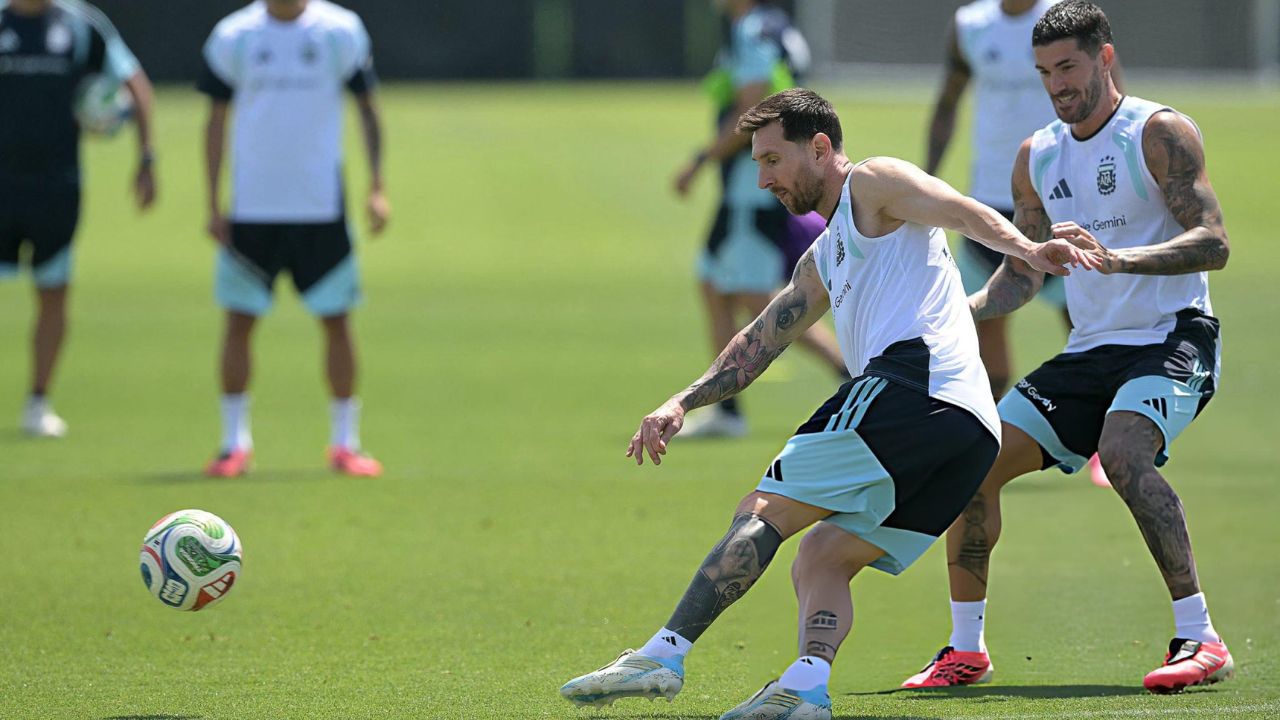
Xavi is unequivocal about what it meant to share a pitch with Messi. “If you can’t combine with Messi, you can’t play football — it’s as simple as that.” Every pass returned to your better foot. Every movement was anticipated. Every touch deliberate and precise.
Messi, despite his instinctive genius, was a constant communicator on the pitch. He would tell Xavi when a defender was marking him too tightly, drop deeper into midfield when he craved the ball, and scan the field with an almost obsessive vigilance — looking, always looking.
“He’s constantly assessing what is around him,” Xavi writes. “Often, he’s just walking, but he’s working out what the defensive midfielder is doing, what the centre-back is doing, where the free space is.”
Of all the Messi moments Xavi has witnessed up close, one stands above the rest: the 2011 Champions League semi-final first leg against Real Madrid at the Bernabéu. José Mourinho had packed the pitch with long grass, inviting a tactical stalemate. And then Messi simply took over — scoring, dribbling past Lassana Diarra, Xabi Alonso, Raúl Albiol and Sergio Ramos in succession, as if the occasion demanded nothing less.
“We didn’t play any football that day,” Xavi admits with striking candour. “And then Messi turned up. That was what he could do.”
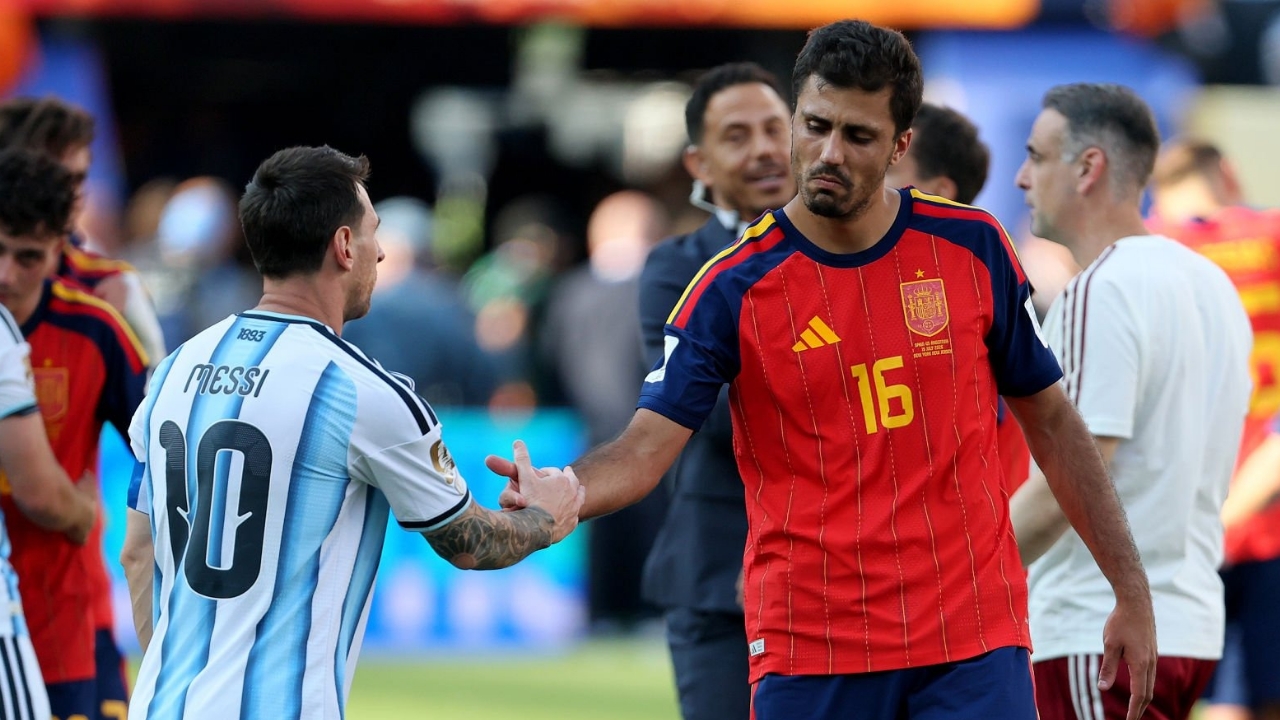
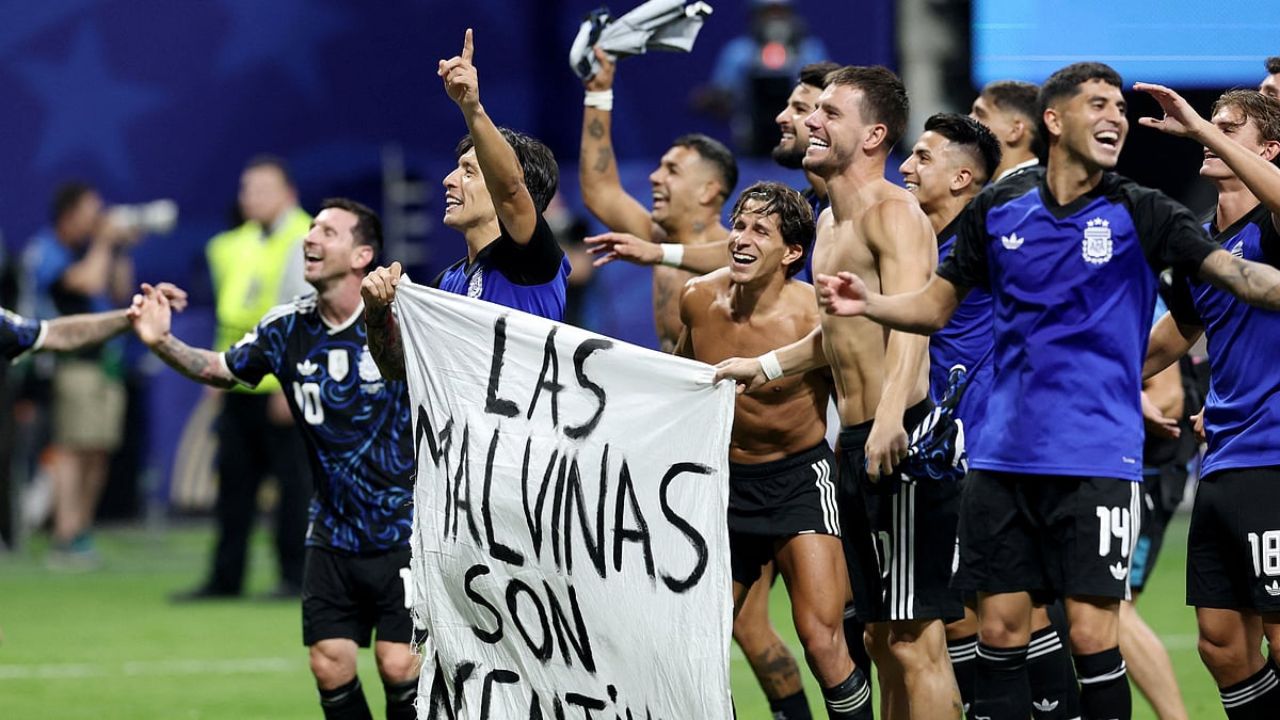
What gives Xavi’s tribute its emotional weight is the sense of wonder he still carries. He played until 39 but acknowledges he had long left football’s highest stage by then. Messi, now the same age, continues to defy time — scoring hat-tricks, leading Argentina, preparing his mind for another tilt at the World Cup.
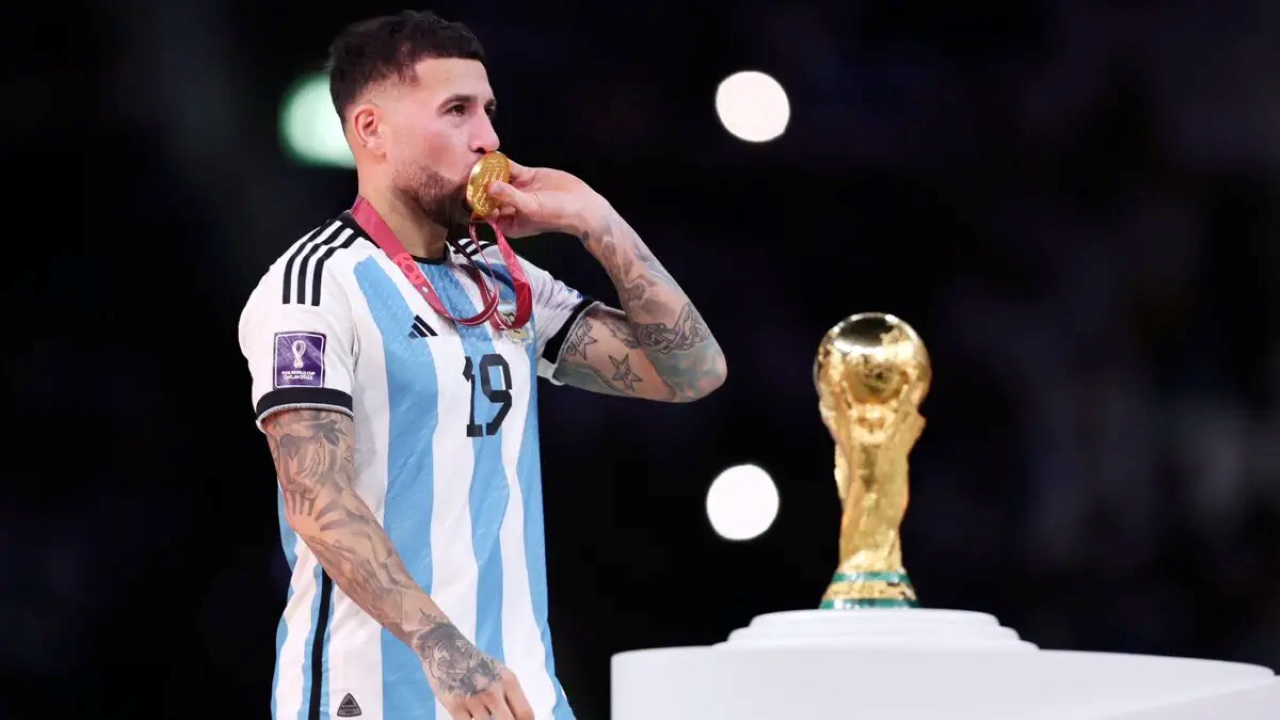
“Anyone else would have retired after winning the World Cup in 2022,” Xavi writes. “But he’s such a competitive animal.”
The comparisons he reaches for are telling. Messi is the Michael Jordan of football, he says — not merely the greatest of his generation, but the greatest the game has ever produced, made more remarkable still by the sheer longevity of his dominance.
“His mentality is extraordinary. For me, that’s what sets him apart.”
There is no grand conclusion from Xavi, no neat summary of trophies or statistics. Just the simple, staggering confession of a footballing genius reflecting on another who surpassed them all.
“I don’t believe we will ever see a footballer like him again.”
Coming from Xavi Hernández, that is not hyperbole. It is simply the truth.