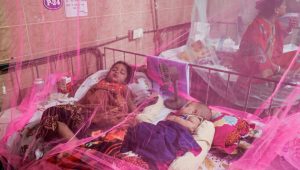
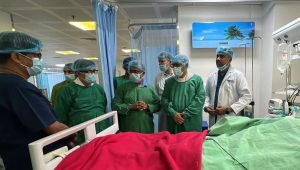
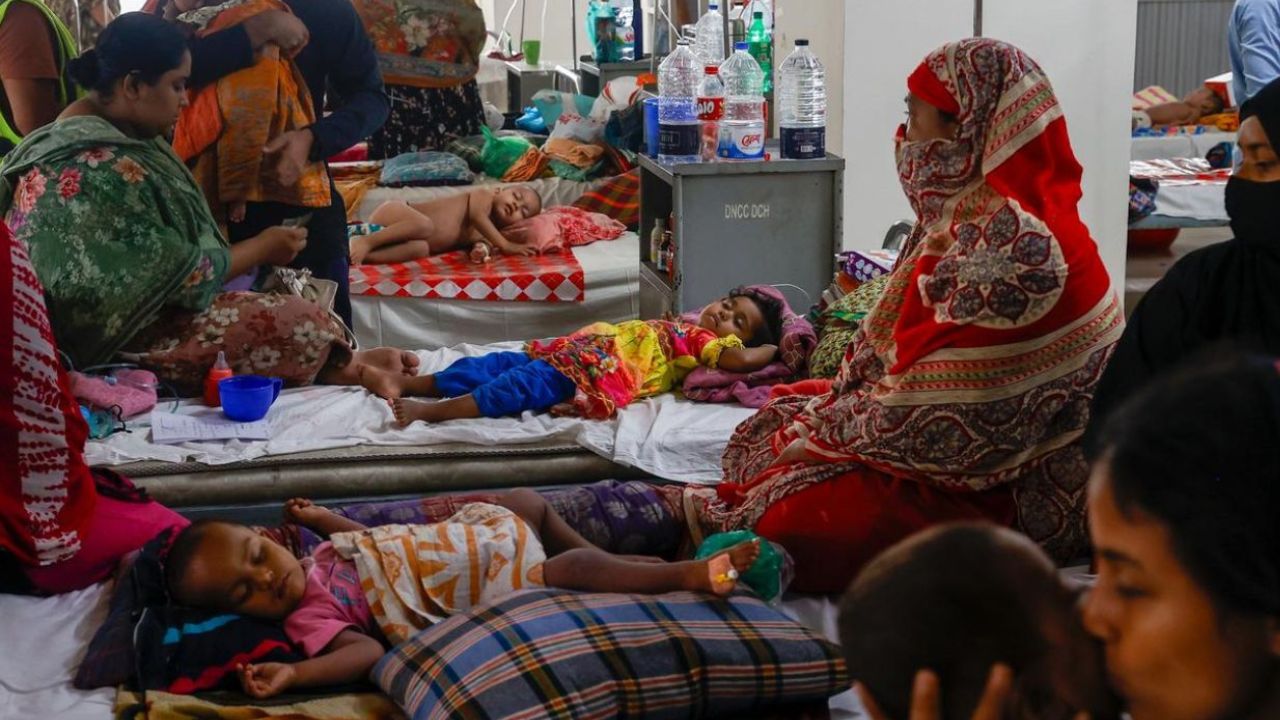
Chittagong University (CU) Medical Centre is currently operating with just three ambulances, six drivers and 10 doctors, leaving students facing prolonged waits for emergency ambulance services.
Of the university’s nearly 30,000 students, an estimated 10,000 to 15,000 live in residential halls or around the campus. For them, the CU Medical Centre is the primary source of healthcare. However, a shortage of ambulances, drivers and doctors is causing significant hardship, particularly during medical emergencies.
The centre treats around 250 to 300 students a day and provides pathology, ultrasonography, physiotherapy, ECG, oxygen and primary medicine services.
However, patients requiring advanced care are referred to Chittagong Medical College Hospital, about 22 kilometres away due to lack of adequate treatment facilities at the medical centre.

Registrar’s office data show that the centre earned Tk14,59,280 in the 2025-26 financial year, including Tk10,03,500 from pathology services and Tk2,35,069 from physiotherapy.
Only 10 doctors now serve at the centre, down from 14 previously, and three are currently on leave. The three ambulances are operated by six drivers, making round-the-clock emergency service difficult.



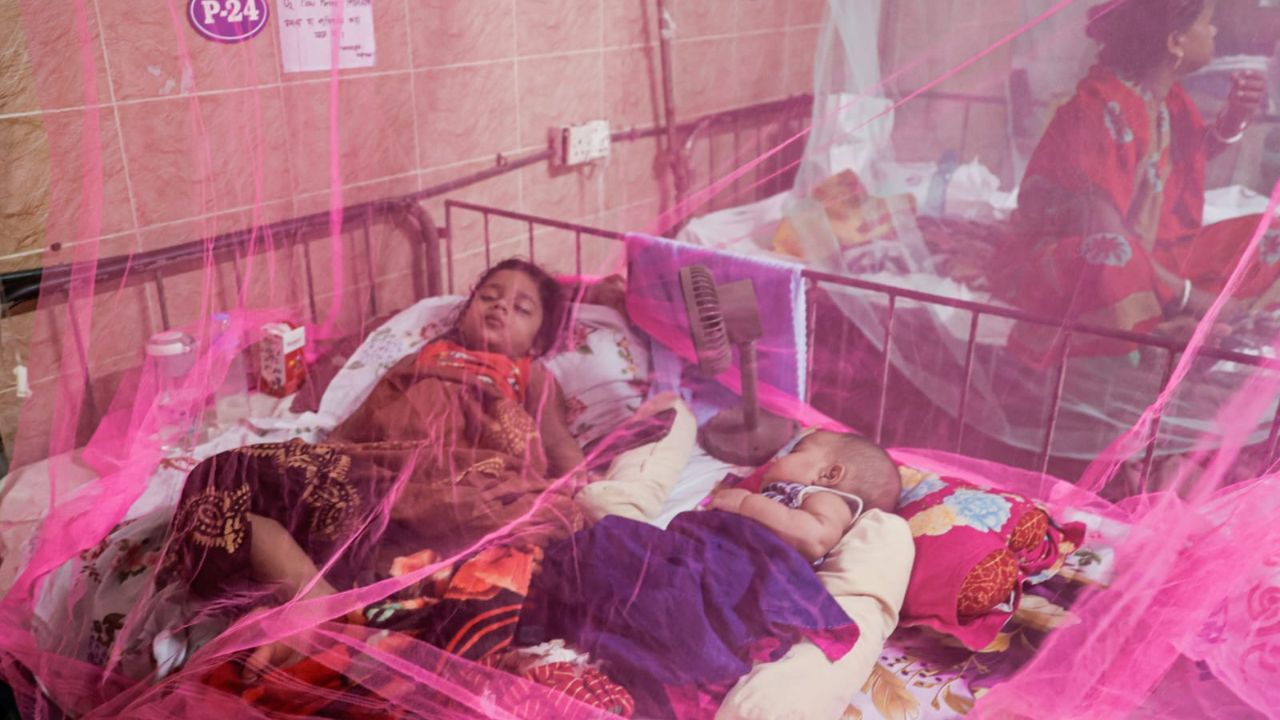
Students say ambulances are often unavailable during emergencies or arrive only after lengthy delays. Some allege that the vehicles are also used to transport doctors to and from work, further limiting their availability for patients.
Philosophy student Sadia Sarkar said her ill friend could not get an ambulance after receiving treatment because the vehicle had reportedly gone to collect a doctor.
Islamic History and Culture student Md Tarikul Islam Tarek said he called for an ambulance at 12:59pm while suffering from fever but received it only at 4:51pm.
Aishi Roy, a Bengali department student, said she received no ambulance despite waiting for hours during a nighttime emergency and was again delayed the following morning.
Sumaiya Akter, assistant general secretary of Nawab Faizunnesa Hall, said an ambulance took 15 to 20 minutes to arrive when a resident began choking on food.
Chief Medical Officer Abu Toyeb said the university syndicate had approved the use of ambulances to transport doctors.
He blamed the delays mainly on shortages of doctors and drivers, adding that the syndicate had been asked to recruit more doctors urgently.
“Providing a 24-hour service with only six drivers for three ambulances is extremely difficult,” he said, adding that the administration had also been informed about shortages of officers and staff.