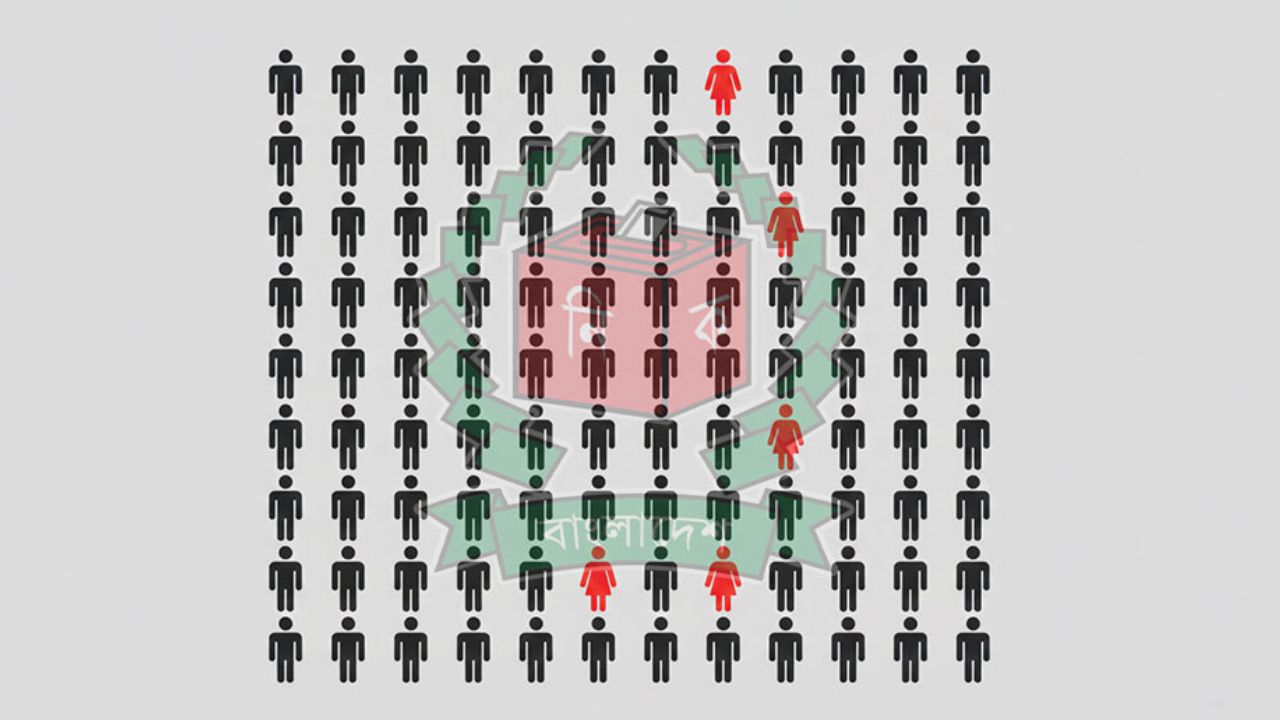



A total of 143 candidates have submitted nomination papers to contest the 13th National Parliamentary Election in 16 constituencies of Chattogram, of whom only five are women.
According to district election office data, among these women candidates, two are independents, two are from the Bangladesh Socialist Party (Marxist), and one represents the Insaniyat Biplob Party.
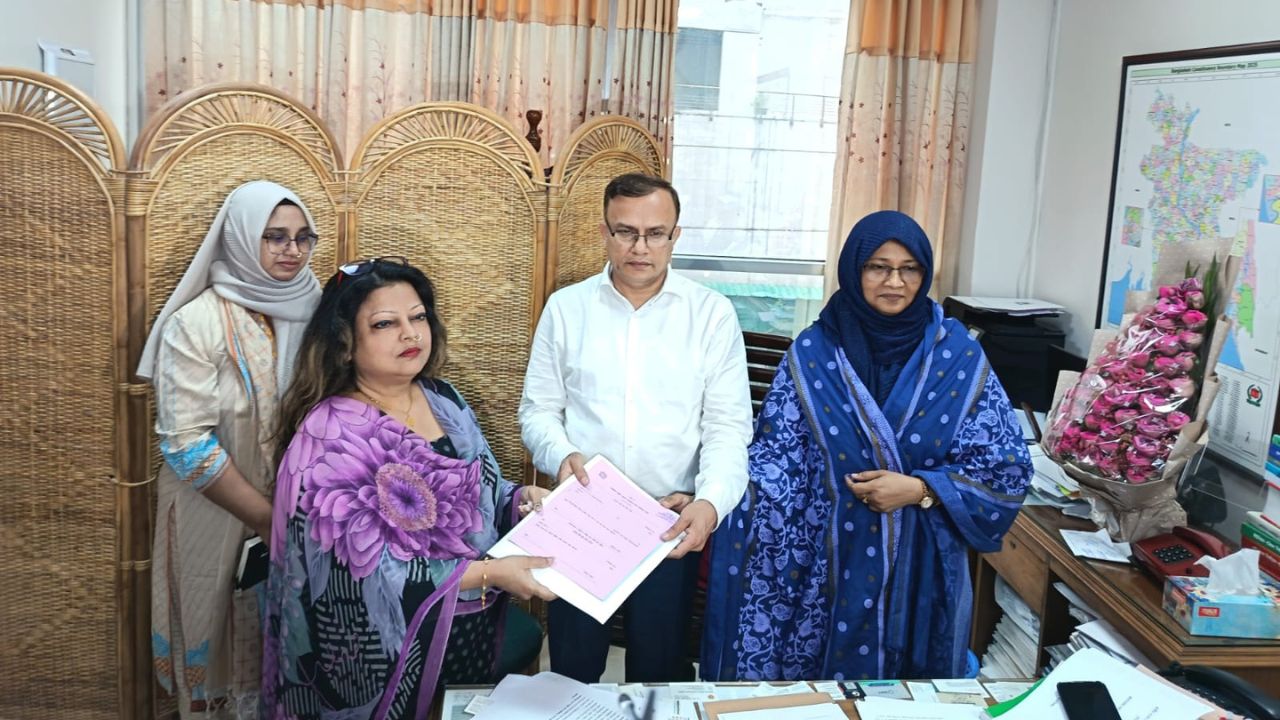
Among the women candidates, Bangladesh Nari Mukti Kendra Chattogram district convener Asma Akhtar has submitted her nomination from the Bangladesh Socialist Party (Marxist) for the Chattogram-10 (Pahartali) constituency.

Asma Akhtar told TIMES of Bangladesh, “I have been working for the rights of workers and ordinary people for a long time. Workers themselves are collecting funds to cover election expenses. I have not yet started formal campaigning and am proceeding through personal contacts.”
In the same constituency, Sabina Khatun, Chattogram district general secretary of the Insaniyat Biplob Party, has submitted her nomination. She also contested the national election from this seat in 2018.


Sabina told TIMES, “There is no shortage of people in the world; there is a shortage of humanity. I have entered the election for politics based on that humanity.”
In Chattogram-5 (Hathazari), Bangladesh Nationalist Party central executive committee member Shakila Farzana has submitted her nomination as an independent candidate. She is the daughter of former lawmaker M Wahidul Alam. Although she did not receive party nomination, she is contesting the election, but declined to comment on her participation at this stage.
In Chattogram-11 (Bandar), Deepa Majumder, a member of the Bangladesh Socialist Party (Marxist) Chattogram district committee and former city president of the Socialist Students’ Front, has submitted her nomination. In addition, Jinnat Akhtar has submitted her nomination as an independent candidate from the Chattogram-2 (Fatikchhari) constituency.
Regarding the low participation of women, Sacheton Nagorik Committee Chattogram city unit President Advocate Akhtar Kabir Chowdhury said the figure should have been at least 50 per cent.
He said the culture of reserved seats has reduced women’s interest in direct elections, while social tendencies to confine women to the household are further holding them back