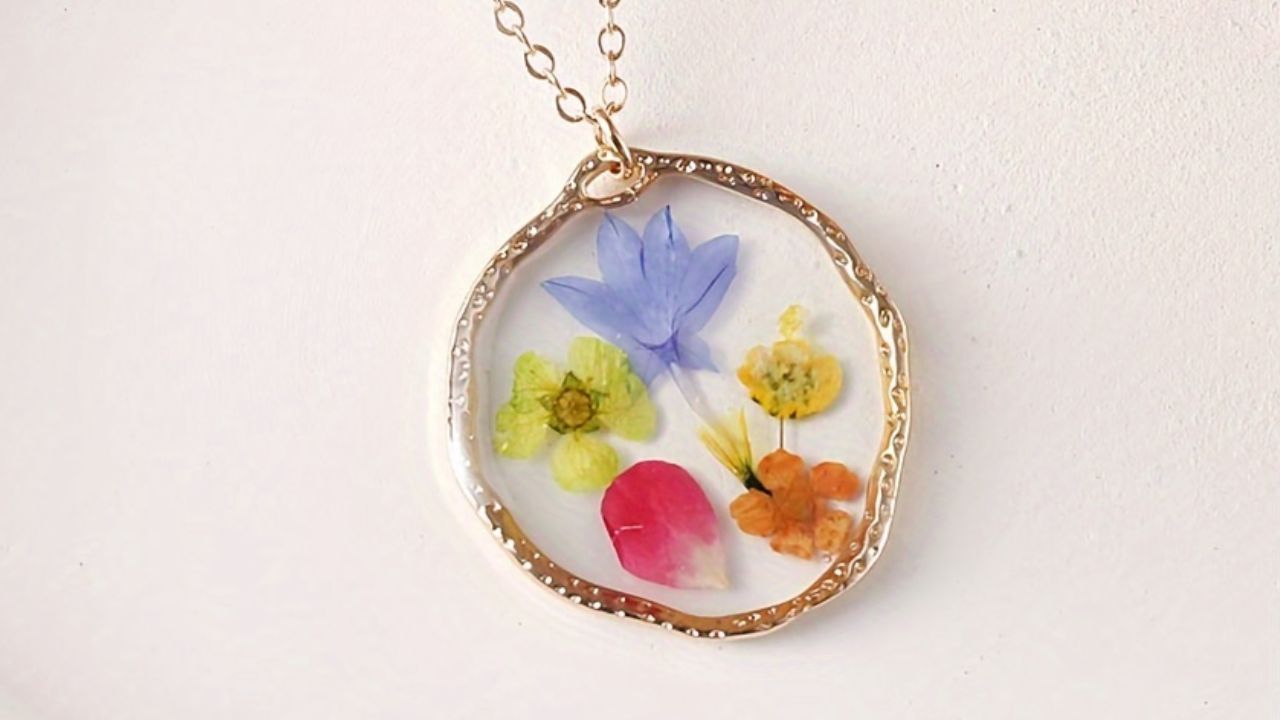



In Bangladesh’s growing creative landscape, resin art has emerged as a high-gloss obsession among contemporary artists and hobbyists alike. From bustling markets to quiet home-based studios, makers are increasingly turning to this versatile medium to bring their ideas to life.
From delicate jewellery and trinket dishes to expansive “river tables” and three-dimensional floral preservation frames, resin offers endless creative possibilities.
As DIY movement continues to gain momentum across the country, however, mastering the techniques behind the craft, along with following proper safety practices, has become essential for anyone hoping to transform a passion into a professional skill.
Alchemy of liquid plastic
At its heart, resin art is a blend of creativity and chemistry. Resin is a clear liquid plastic, or polymer, made up of two components: resin (Part A) and hardener (Part B).
When combined in precise ratios, a chemical reaction known as polymerisation, or curing takes place, transforming the liquid mixture into a solid, durable and glossy surface.
Artists generally work with two main types of resin. Epoxy resin is a two-part system well suited to larger pours, deeper moulds and projects that require extra time for colour blending or bubble removal.
UV resin, meanwhile, is a one-part material that remains liquid until exposed to ultraviolet light, making it ideal for creating small charms, carrying out quick repairs and adding finishing details.

Science behind a flawless finish
While resin art may appear effortless, achieving a crystal-clear result depends on precision at every stage. Most epoxy resin systems are formulated with specific chemical ratios, such as 1:1 or 2:1 by volume, and these proportions must be followed exactly to ensure the resin molecules bond properly with the hardener.
Simply estimating the ratio is one of the most common reasons projects end up sticky, tacky or soft rather than curing fully. The mixing process is just as important.
Christina Vanderwater of Bouncing Off The Walls Resin Art studio recommends stirring the mixture slowly and thoroughly for at least three to five minutes, while repeatedly scraping the sides and bottom of the mixing cup to ensure all the material is fully incorporated.
For particularly important projects, many professionals also use “transfer method”, pouring the mixed resin into a second clean cup before stirring again for another one to two minutes to ensure complete blending.
Putting safety first
As rewarding as resin art can be, safety should never be overlooked. In Bangladesh, where imported art supplies can vary considerably in quality, artists are encouraged to choose products that meet recognised international safety standards.



The US Consumer Product Safety Commission (CPSC), working alongside The Art & Creative Materials Institute (ACMI), Arts, Crafts & Theater Safety, Inc (ACTS), and The National Art Education Association (NAEA), has established rigorous guidelines for the regulation of art materials.
Local crafters should look for products labelled “Conforms to ASTM D-4236”, indicating that the material has been evaluated for chronic health hazards.
Investing in high-quality, non-toxic brands not only helps protect artists’ health but also improves the longevity of finished artwork, as cheaper industrial resins often emit noxious fumes and are more likely to yellow over time.
Creating a safe workspace
A successful resin project starts with a safe working environment. Exposure to resin chemicals and fumes can lead to skin irritation or respiratory problems if necessary precautions are not taken.
Nitrile gloves should always be worn instead of latex, as resin chemicals and solvents can penetrate latex materials. Long sleeves, safety goggles specifically those marked Z87 for impact or splash protection and a well-ventilated workspace are equally important.
For larger pours where volatile organic compounds (VOCs) may be present, a respirator fitted with an organic vapour cartridge becomes essential.
Simple habits also make a difference. Eating, drinking or smoking in the workspace should be avoided, and hands should always be washed thoroughly with soap and water after every session, never with solvents.
Working with Bangladesh’s climate
Beyond technique and safety, environmental conditions play a major role in the curing process. Resin is highly sensitive to both temperature and humidity.
Ideally, it should cure in a workspace maintained between 70–80°F (21–27°C). Temperatures below this range can cause the resin to thicken, trap bubbles or develop a cloudy appearance.
Humidity becomes an even greater challenge during Bangladesh’s monsoon season. According to local experts, humidity should remain below 80 per cent. Excess moisture in the air can interfere with the chemical reaction, resulting in surface imperfections, tackiness or incomplete curing.
To manage these conditions, artists are encouraged to use air conditioners or dehumidifiers and monitor their workspace with a hygrometer throughout the rainy months.
Attention to detail makes difference
The glossy, glass-like finish that makes resin art so appealing is often the result of patience and careful attention to detail.
Tiny bubbles, one of the most common frustrations for beginners, can be minimised by pouring resin from a low height and using a heat gun, torch or even a simple lighter to remove surface bubbles shortly after pouring.
Protecting a piece while it cures is equally important. Resin artworks should be placed on level stands and covered with a clean plastic box or lid to prevent dust, hair or lint from settling on the surface.
For artists working with wood, sealing the material with acrylic paint or another suitable sealant before pouring resin helps prevent trapped air within the wood grain from escaping and creating unwanted bubbles.
Building a sustainable creative practice
As interest in resin art continues to grow, Bangladesh’s supply market has expanded alongside it. Dedicated vendors now offer a wide range of materials, including Lapox and Crystal Clear resins, dried flowers and silicone moulds.
Sustainability is also becoming an increasingly important part of the craft. Rather than discarding unused resin, artists are encouraged to embrace “leftover art” by pouring excess material into small jewellery moulds to create trinket dishes, charms or other decorative pieces.
These can become thoughtful gifts or even additional inventory for a growing creative business. With right knowledge, careful technique and a commitment to safety, Bangladeshi artists can confidently harness the versatility of resin, transforming a simple liquid polymer into striking works of art.