Before dawn, Karwan Bazar wakes up. Trucks roll in, men shout, lights flicker through the mist. Vegetables spill onto the street, fish melt on ice, and the smell of diesel and rot fills the air. This is Dhaka’s biggest wholesale market, sitting right in the middle of the city, where it should never have been.

By sunrise, chaos takes full shape. The roads are blocked by trucks and vans. Rickshaws can’t move. Office workers push through the mud; their shoes are soaked in rotten water. The noise is deafening. The air feels thick. It’s hard to tell where the market ends and the road begins.
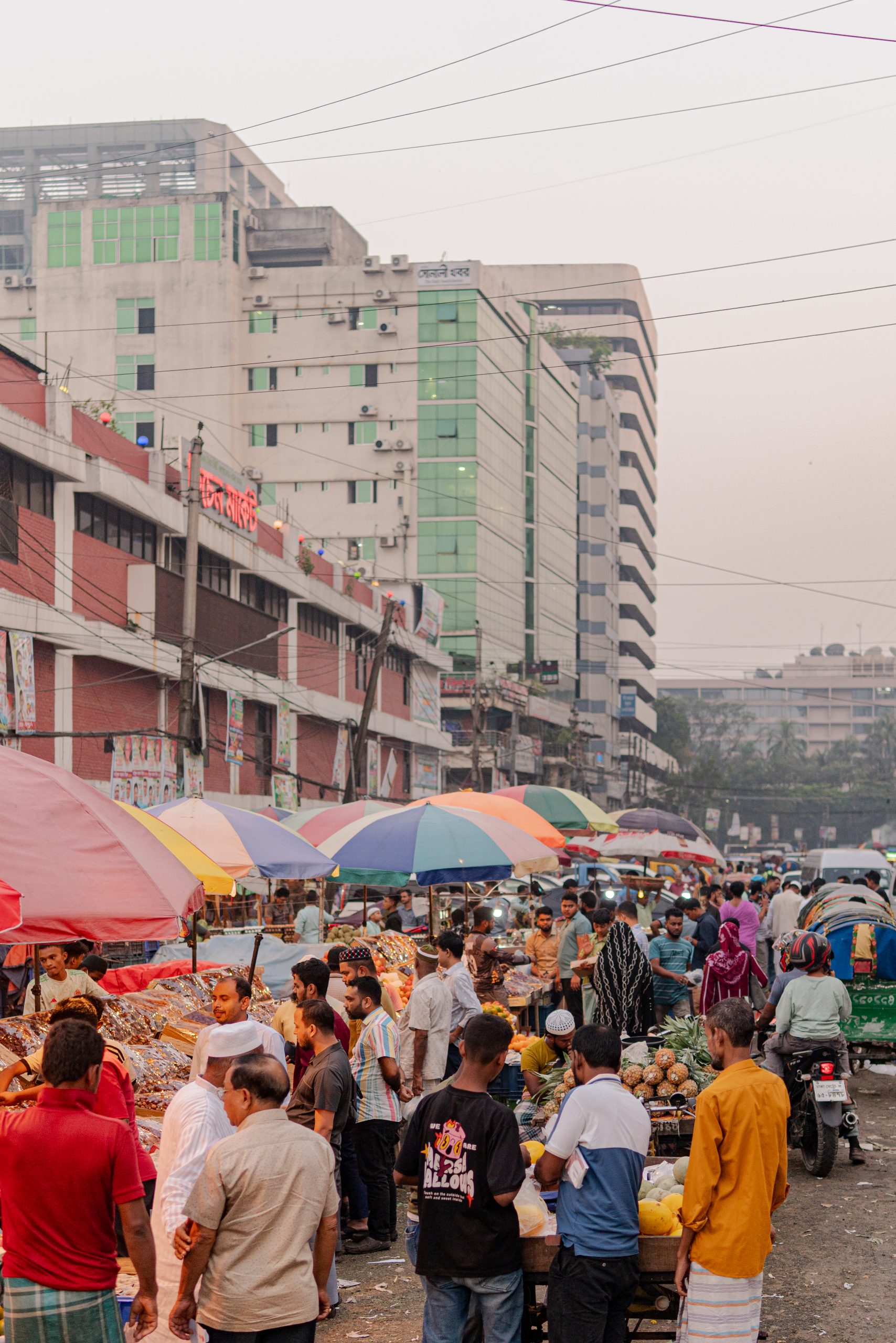
Around it, tall office buildings stand. Media houses, banks, and corporate towers all rise from this mess. But step outside and the reality hits: piles of waste, clogged drains and the constant honking of trapped vehicles. It’s a strange mix of city pride and urban failure standing side by side.

Authorities have been promising to move the market for years. The decision to relocate was first made in 2006. Plans were drawn, new sites were announced: Amin Bazar, Jatrabari, Mohakhali and Saidabad, but none were ready. Traders refused to move, saying the new markets were too small and too far. Officials backed off. Eighteen years later, the chaos is the same.




There’s no planning, no order. The roads are broken. The drains are open. The buildings are cracked and risky; one was declared abandoned more than a decade ago. Here, garbage overflows into the street, mixing with water and food waste.
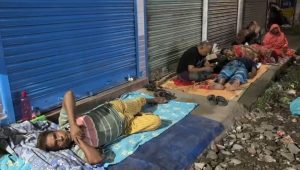
At night, communal bath houses and food vans serve the workers who keep the market alive, while the city around them sleeps uneasily. Everything feels temporary, but it’s been this way for decades.
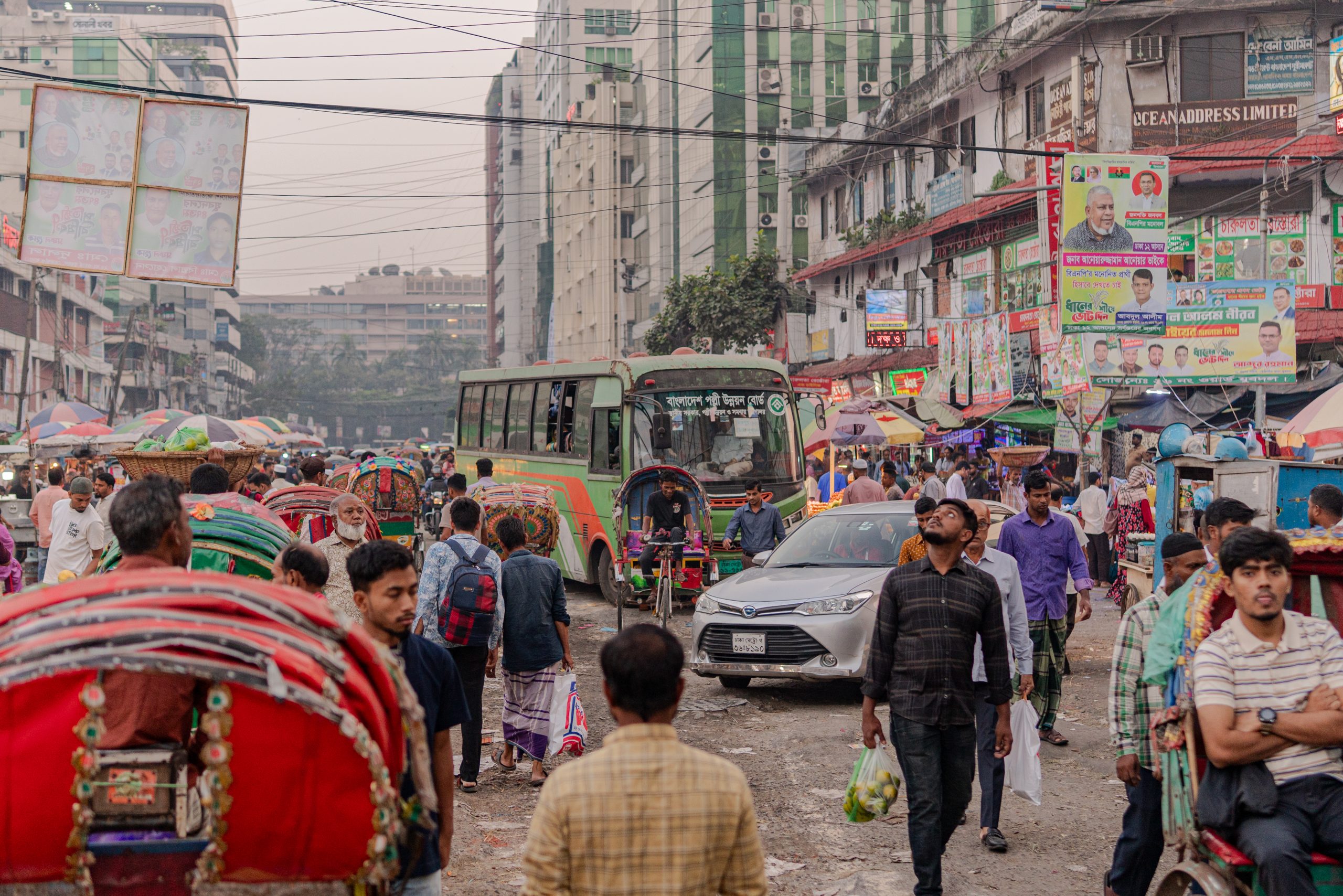
Karwan Bazar feeds Dhaka but poisons its rhythm. It slows traffic, chokes the office blocks around it, and stains the centre of Dhaka with grime and noise. Vegetables here may be cheaper (Ten to fifteen per cent less than in other markets), but the hidden cost is immense. Always congestion, pollution and exhaustion. It’s not just a market anymore; it’s a symptom of how Dhaka grew without balance or foresight.
Every morning, Dhaka breathes through this bottleneck. People rush, trucks idle, traffic stalls. The market hums on, indifferent. And as the city’s heart beats against this wall of chaos, one thing becomes clear. No one is in control!