

The country’s only venom research centre is in dire straits despite having earned recognition for developing the Russell’s viper antivenom. Research activities have been at a standstill as no funds have been allocated to the institution for the past 16 months.
The Venom Research Centre, Bangladesh is located on the ground floor of a two-storey abandoned building on Chattogram Medical College campus. It started in 2018, a year after World Health Organisation added snakebite to the WHO neglected tropical disease (NTD) list. Expenses such as staff salaries, snake collection, and the purchase of food and laboratory equipment were covered under the operation plan budget. In 2019, the centre had 56 snakes; now it has 400.
In Bangladesh, snakebite incidents involving species such as Russell’s viper, cobra, krait, king cobra, and green pit viper increase during the monsoon every year. The antivenom currently used at the upazila level is made from Indian snake venom, which is not always effective. More than six thousand people die of snakebites each year while reliance on traditional healers or spiritual rituals instead of doctors remain widespread. Nearly six lakh people fall victim to snakebites annually. According to surveys, 86% of patients receive improper treatment, and only 3% go to a hospital.
In May 2018, the WHO declared snakebite a global health crisis and called on member states to take initiatives to produce antivenom. As part of that directive, this research began in Bangladesh.
“Antivenom cannot be produced overnight; it requires a long and complex process,” says Assistant Professor of the Medicine Department at Chattogram Medical College Hospital (CMCH) Dr Abdullah Abu Sayeed.

He said that Indian antivenom is often ineffective. “Our goal is to produce separate antivenom for the 10 venomous snake species found in the country. We have already achieved preliminary success with antivenom for the Chandrabora, or Russell’s viper.
“Research has stalled because the operation plan has been suspended for 16 months. It has become very difficult to keep things running. Some snakes only eat other snakes, while some eat rats,” he added.
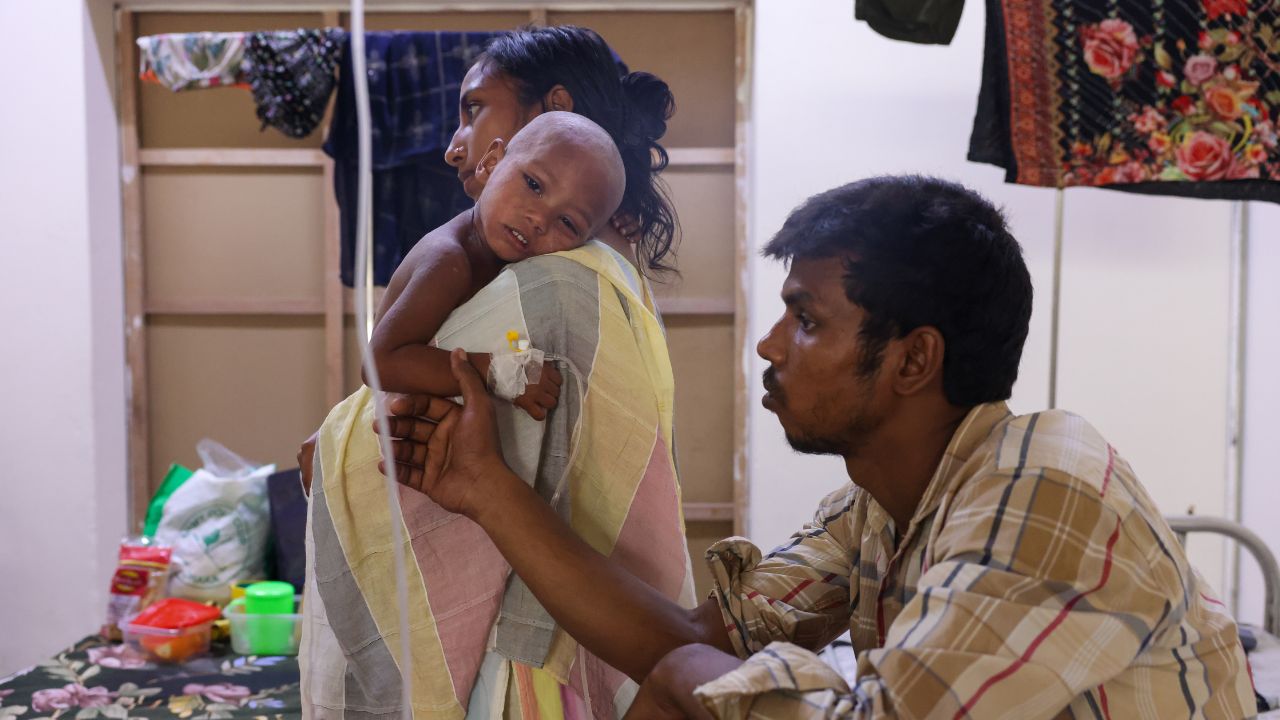
According to CMCH, 1,283 snakebite patients were admitted to the hospital in 2024, of whom three died. Only 52 patients received antivenom. In 2023, 1,368 patients were admitted, with two deaths.
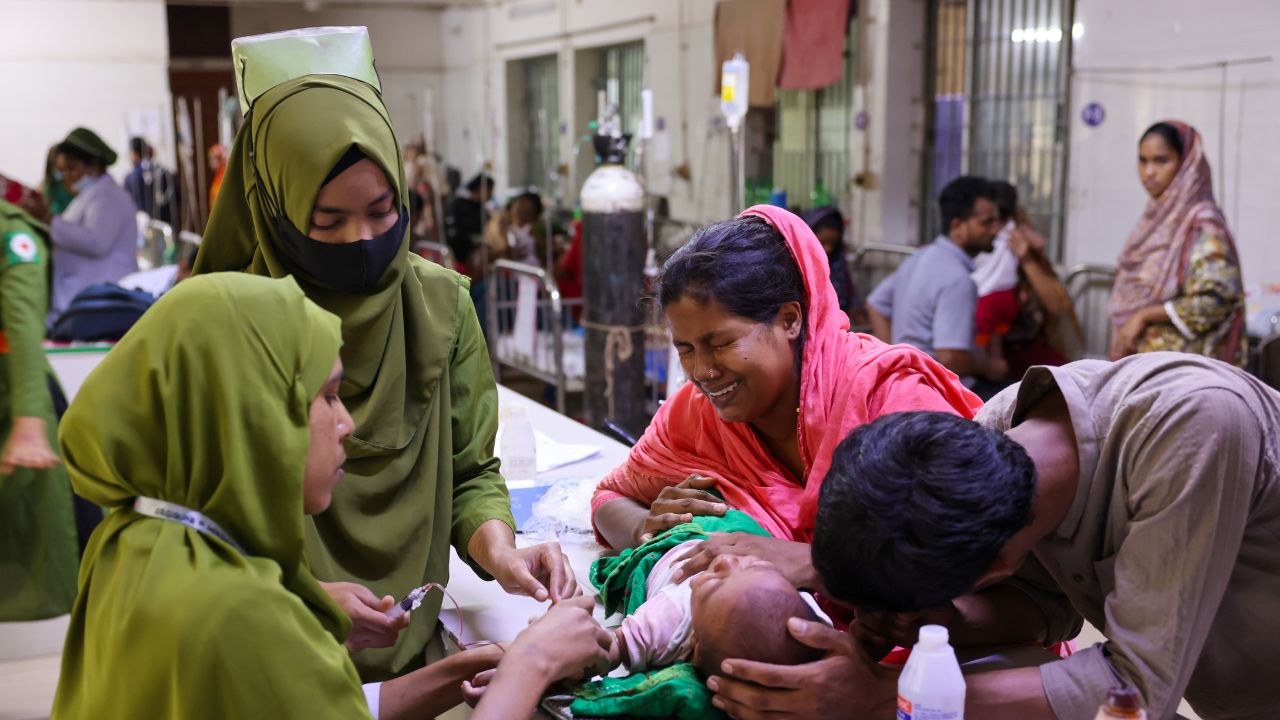

According to a nationwide survey of 2022, nearly 7,000 people die each year from about 400,000 reported snakebite incidents in the country. Only 10–15 percent of the victims receive antivenom.
As much as 95% percent of the deaths occur in rural areas. The incidence of snakebites is higher in the Khulna and Barishal divisions.
Antivenom imported from India has been in use since 1993–94. Their antivenom corresponds to three snake species in Bangladesh, but not completely. Doctors in the country use it for closely related species.
According to CMCH, the green pit viper is the most common snake in Chattogram. Each year, more than 300 people are admitted to hospitals after being bitten by this snake. There is no antivenom for this species in Bangladesh, so recovery for such patients takes a long time.
Medical experts say that although several thousand vials of antivenom are needed annually across the country, there is currently no government-mandated demand or safe stock policy. Because the Indian antivenom used at the upazila level is often ineffective. They argue that considering the number of patients and risk levels nationwide, it is urgent to ascertain national-level antivenom requirements and strengthen the country’s only venom research centre.
Russell’s viper antivenom ready
The centre sends the venom to the Animal Immunization Laboratory at Chittagong University. There, antibodies are generated by injecting the venom into chickens and goats. The antibodies are then purified, dried, and processed through several steps, including dialysis.
Research Assistant Dr Abdullah Abu Sayeed said that in the next phase, the antibodies are tested experimentally in mice. “The study showed that the antibodies produced against the local Russell’s viper are far more effective than the imported ones. Now, the process is awaiting clinical trials, although there is no government initiative to support it.”
Future looms in uncertainty
The funding for research has been halted for 16 months since June 2024. Previously the institution received over Tk1crore annually. Currently, there are about 15 salaried staff, including researchers. The situation has become complicated due to lack of space, laboratory shortages, and non-functional equipment.
It is known that the government has taken the Venom Research Centre under a development project to make it fully operational, and work is proceeding accordingly. However, no initiative has been taken to sustain the institution before the plan is fully implemented. The centre is operating by borrowing funds from various sources.
Dr Abdullah Abu Sayeed said that in the past 16 months, all relevant government authorities have been informed, but no one has stepped forward to protect it. “Just to prepare food for the mice, it costs Tk1lakh. The mice need to be raised to be used as snake feed. If the centre had Tk6lakh per month, it would be easier to move the centre forward, and then we could advance further.”
Afrina Mahmud, director (research and planning) of the Directorate General of Health Services, said, “The operational plan is currently suspended. The research project has not yet been included in the revenue budget. The problem will be resolved once administrative approval is granted.”