BYD, the world’s pre-eminent manufacturer of electric vehicles (EVs), remains resolute in its ambition to lead the global automotive industry despite being effectively shut out of the United States market.
The Chinese industrial behemoth asserts that the trade barriers erected by Washington will not impede its trajectory towards sustained global leadership.
Stella Li, the company’s executive vice president, has stated that even without access to American consumers, BYD is positioned to maintain its top global ranking, reports CNN.
Geopolitical barriers and the Xi-Trump summit
The current exclusion from the American market is the result of effective bans on Chinese carmakers importing to the US, driven by concerns regarding national security and the necessity of shielding domestic manufacturers from rivals supported by long-term government subsidies.
These tensions are expected to reach a critical juncture next month when Chinese leader Xi Jinping hosts US President Donald Trump for a high-stakes summit in Beijing.

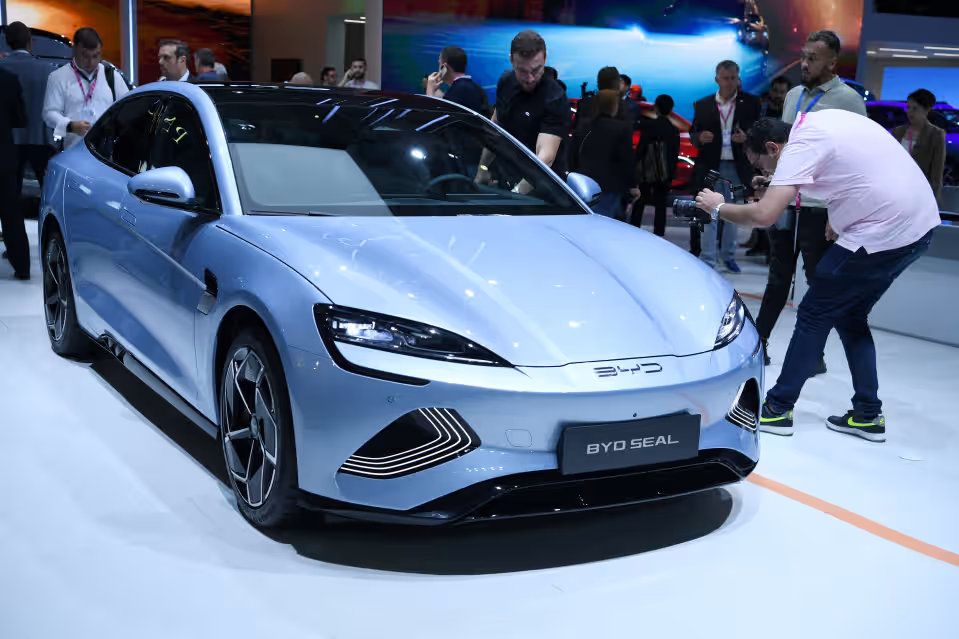
Li has expressed optimism regarding this upcoming diplomatic engagement, suggesting that a dialogue could unveil new business opportunities through a “win-win” approach.
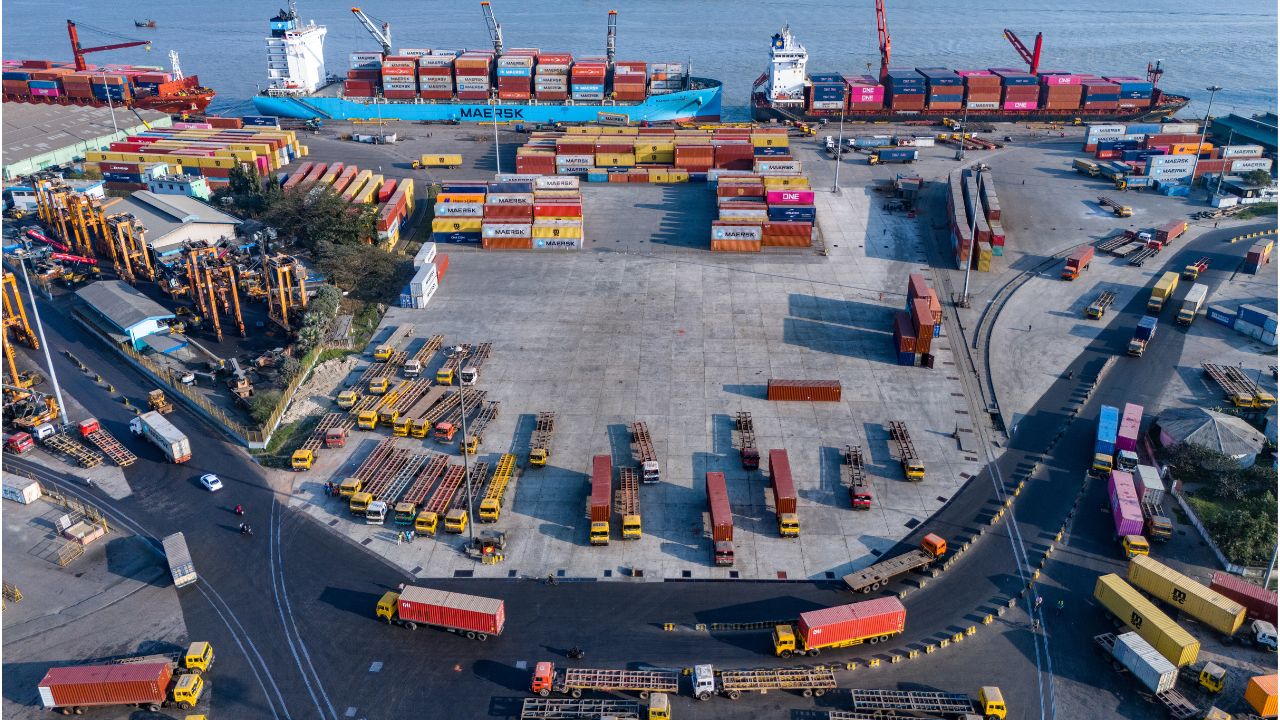
However, BYD has confirmed it has “no future plan” to introduce its passenger cars to the US market at this time. Instead, the company is pivoting its resources toward other global regions, recently unloading vehicles from the BYD Changzhou vessel in Argentina,.
Domestic pressures and the necessity of expansion
The urgency behind BYD’s international push is underscored by significant challenges within its home market.




Although BYD successfully claimed the title of the world’s number-one EV maker from Tesla last year, it is currently grappling with shrinking profits and a “knock-down, drag-out” battle for domestic market share.
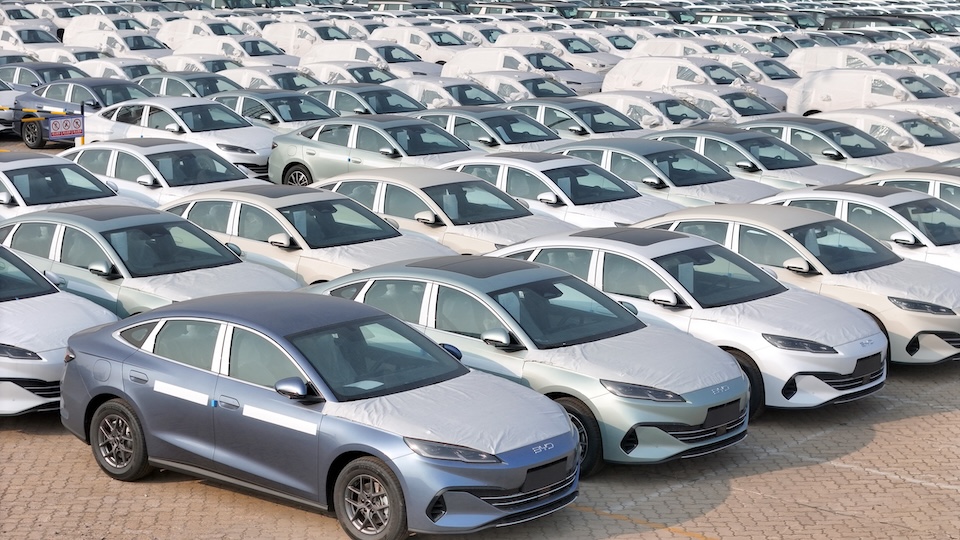
In 2025, the company recorded its first annual profit decline in four years, with earnings falling by 19%. This downward trend accelerated into the first quarter of 2026, where net profits more than halved compared to the previous year.
A brutal and relentless price war has also emerged, with a crowded field of rivals engaged in a cycle of undercutting and outperforming one another in the Chinese market.
Rise of rivals and the global target
The intensity of domestic competition was further evidenced in the first quarter of 2026 when rival Geely overtook BYD as China’s largest automaker by unit sales. When questioned on how BYD intends to navigate this domestic rivalry, Stella Li clarified that the “global market” is now the primary target.
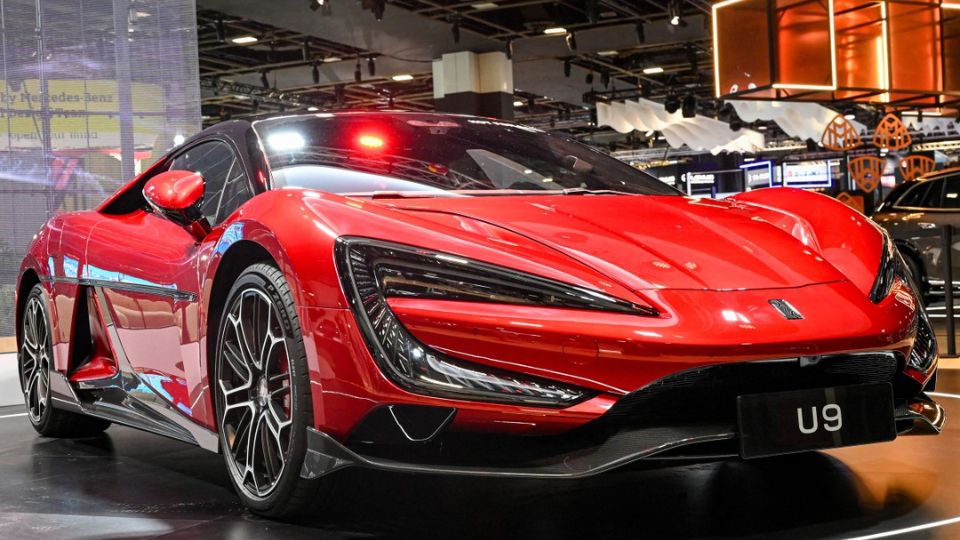
BYD has set an ambitious goal to sell at least 1.5 million vehicles overseas this year, representing an increase of half a million units compared to 2025. Affordable EVs are seen as vital in accelerating the global transition from fossil fuels, particularly amid the oil shock precipitated by the Iran war.
Localisation as a strategic pillar
Stella Li is overseeing a strategy to transform BYD into a “local brand” within each target country,. This localisation is evident in Europe, where new BYD registrations surged by over 150% year-on-year in the first quarter of 2026 to more than 73,000 units.
To bypass European Union tariffs, BYD is constructing a passenger-car manufacturing plant in Hungary and showcasing luxury models like the Denza Z9 GT to European dealers who have begun to trust that a Chinese company can master the luxury market.
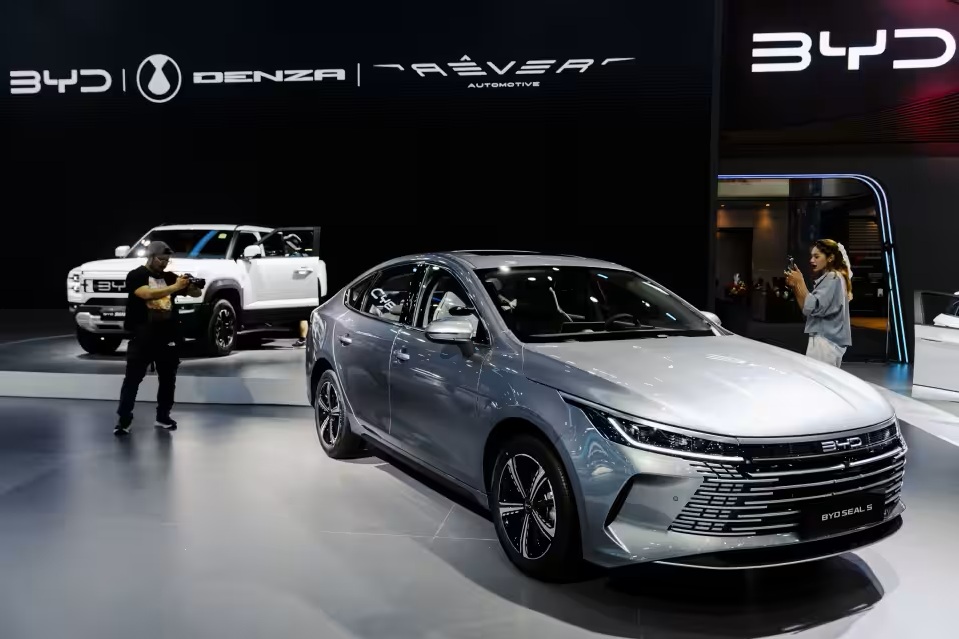
Infrastructure and technological moats Beyond manufacturing, BYD is racing to control essential infrastructure. It opened a production hub in Thailand in 2024 and inaugurated a factory in Brazil on a site formerly occupied by Ford.
A critical component of this strategy is the rollout of 6,000 “flash charging” stations overseas within 12 months. This technology allows vehicles to charge from 20% to 97% in just 12 minutes, even in sub-zero temperatures.
Additionally, BYD continues to invest in the hardware and software for self-driving technologies, aiming to consolidate power as artificial intelligence matures.