The battlefield in Ukraine has become the frontline of a fundamental shift in global conflict, as artificial intelligence (AI) begins to move from remote-controlled assistance to autonomous decision-making.
Recent footage released by the Ukrainian defence firm DevDroid reportedly shows Russian soldiers surrendering not to human infantry, but to a machinegun-mounted ground robot using AI.
This incident marks what Ukrainian President Volodymyr Zelenskyy has described as a historic turning point.
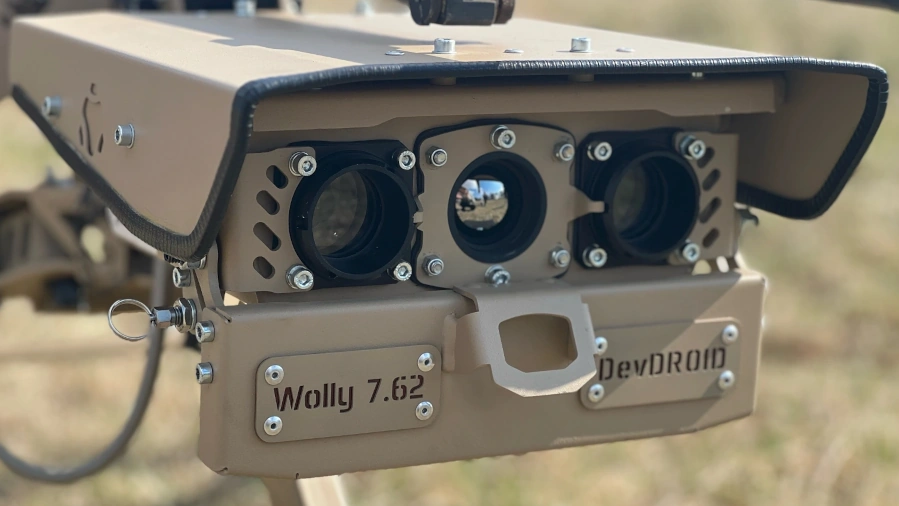
According to Zelenskyy, unmanned platforms – comprising both drones and ground systems – have successfully captured enemy positions for the first time in the history of the conflict.
On the social media platform X, Zelenskyy revealed that these robotic units have conducted more than 22,000 missions in just three months.

The third revolution
While remote warfare gained prominence through US unmanned aerial vehicle (UAV) operations in the early 2000s – notably with MQ-1 Predator strikes in Afghanistan – the current era represents a deeper evolution.
Toby Walsh, an AI expert at the University of New South Wales, categorises this transition as “the third revolution of warfare.”
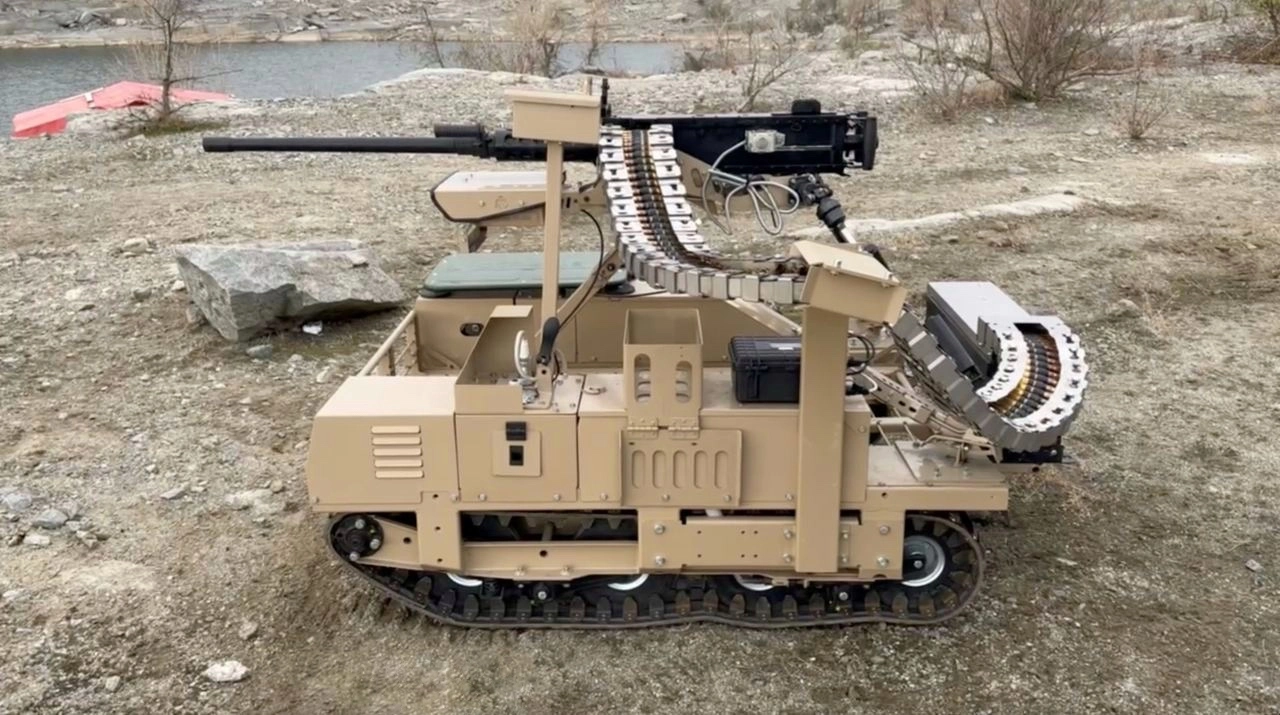
The focus has shifted from simple remote control to systems capable of identifying targets and guiding battlefield strategy.



This technological creep is visible across all domains: explosive-packed naval drones are reshaping the Black Sea, while autonomous underwater systems and robotic dogs are being deployed for sabotage, reconnaissance, and mine clearance.
Erosion of human judgement
The rapid pace of development has outstripped the international community’s ability to regulate it. A primary concern for analysts is the preservation of human judgement in the “kill chain.”
Anna Nadibaidze, a researcher at the University of Southern Denmark’s Centre for War Studies, warns that the “exercise of human judgement” is being squeezed as militaries prioritise speed and efficiency.
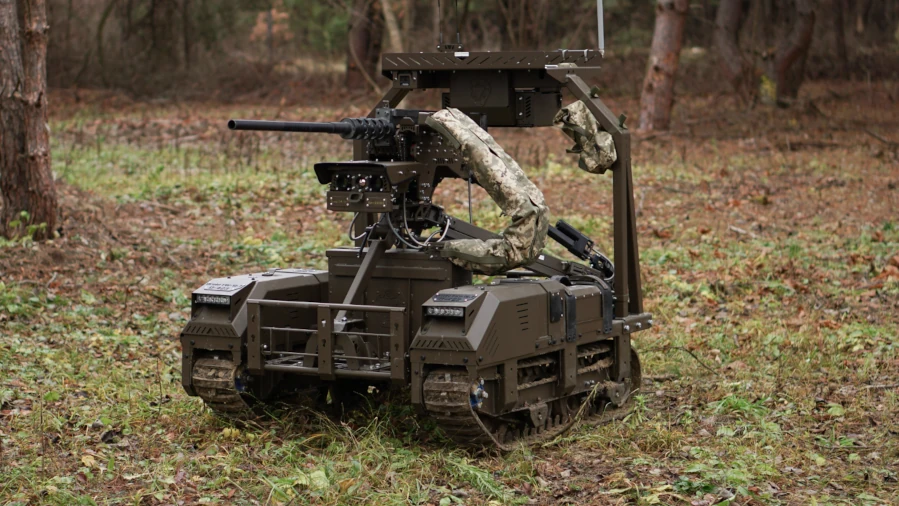
The dangers of this shift are already apparent. While ground robots in Ukraine currently remain under human control, the use of AI in other conflicts, such as Israel’s operations in Gaza, has raised alarms.
Walsh notes that AI-guided decision-making has been linked to “huge collateral damage” and civilian casualties, challenging the core principles of international humanitarian law regarding proportionality.
A fragmented regulatory landscape
Governing this “third revolution” is uniquely difficult. A report by the Stockholm International Peace Research Institute (SIPRI) highlighted that the AI supply chain is heavily dependent on civilian technologies, making it nearly impossible to control.
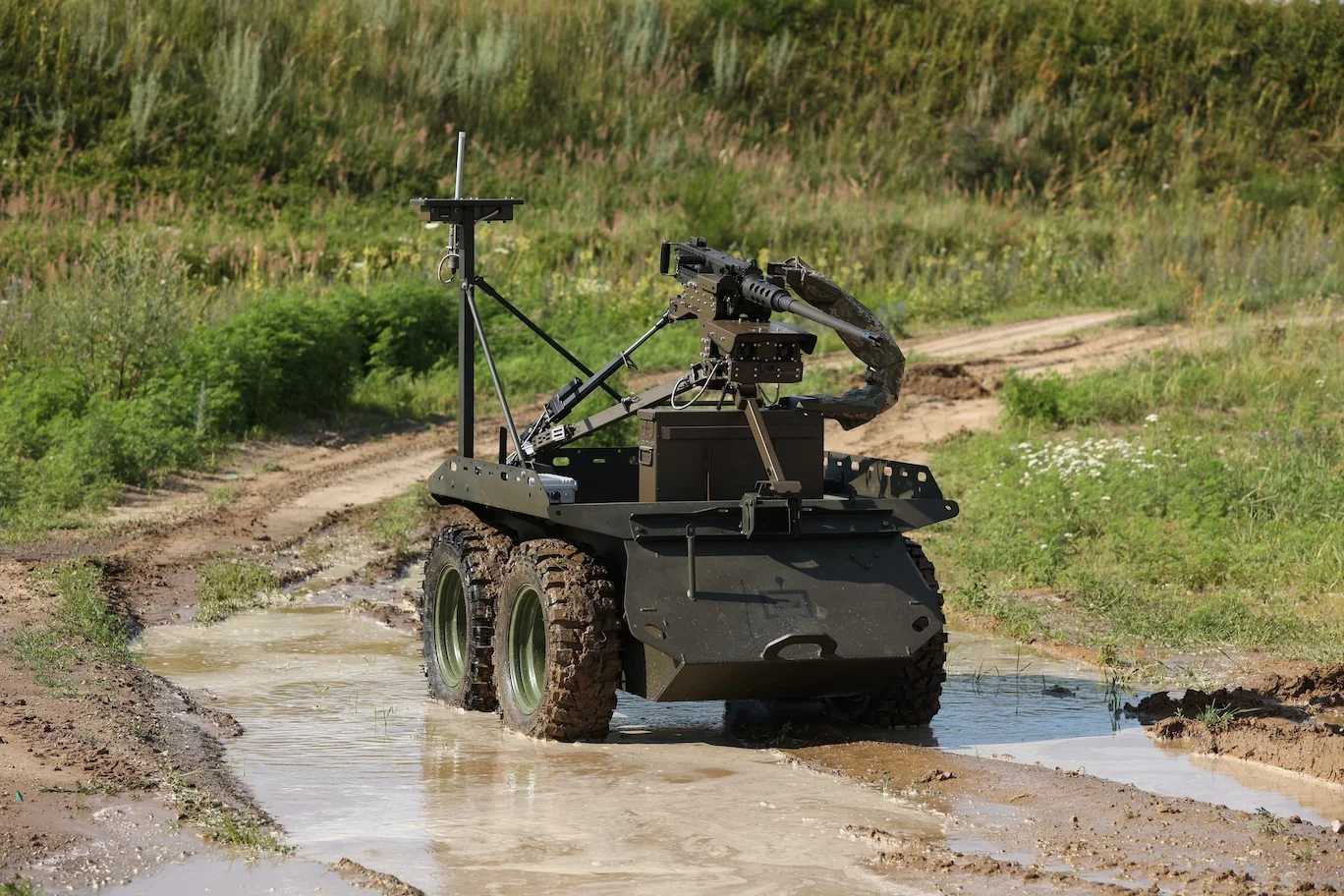
Meanwhile, major powers are accelerating integration; the US Pentagon recently awarded $200 million contracts to OpenAI, xAI, and Anthropic to incorporate generative AI into military apparatuses.
If left unchecked, Walsh warns that warfare could become a “faster thing that humans can no longer actually really be participants in,” as the speed and accuracy of machines surpass human biological limits.
Diplomatic efforts for a digital age
Despite the grim outlook, there are efforts to establish a rules-based order for autonomous weapons. The United Nations Institute for Disarmament Research (UNIDIR) is scheduled to meet in June to discuss the implications of AI for global security.
Parallels are being drawn to the historical regulation of chemical weapons. While such agreements are rarely perfect, Walsh suggests they provide a template for bringing new, terrifying technologies under international control.
Nadibaidze points out that nations in the Global South are increasingly vocal in demanding regulation, potentially forming regional initiatives that could shape global norms even if major tech powers are slow to join.
As Ukraine serves as a testing ground for these technologies, the world faces a choice: adapt the rules of war to the age of the algorithm or risk a future where the decision to take a life is left entirely to a machine.