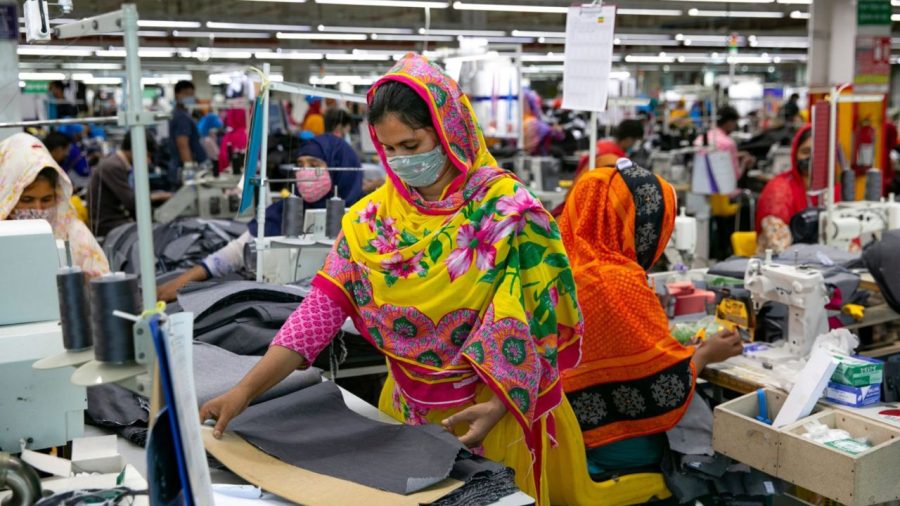



Bangladesh’s exports to non-traditional markets reached a record $642.93 million in August, signalling stronger efforts by exporters to diversify beyond the country’s traditional destinations amid slower demand in major markets.
The monthly export figure was the highest ever recorded for non-traditional markets, after nearly two years of stagnation in the segment, Bangladesh Apparel Voice said, citing the Export Promotion Bureau.
The average monthly export value to these markets also increased to $611.60 million in the first months of FY2026–27, up from $574.38 million in FY2025–26. Their share of Bangladesh’s total exports rose to 16.32 per cent from 15.93 per cent during the same period.

Bangladesh considers all destinations outside the European Union, the United States, Canada and the United Kingdom as non-traditional or emerging markets.
Exporters said the growth reflected a shift in strategy as manufacturers sought to reduce dependence on major markets where demand has slowed due to economic uncertainty, inflationary pressure and cautious consumer spending.
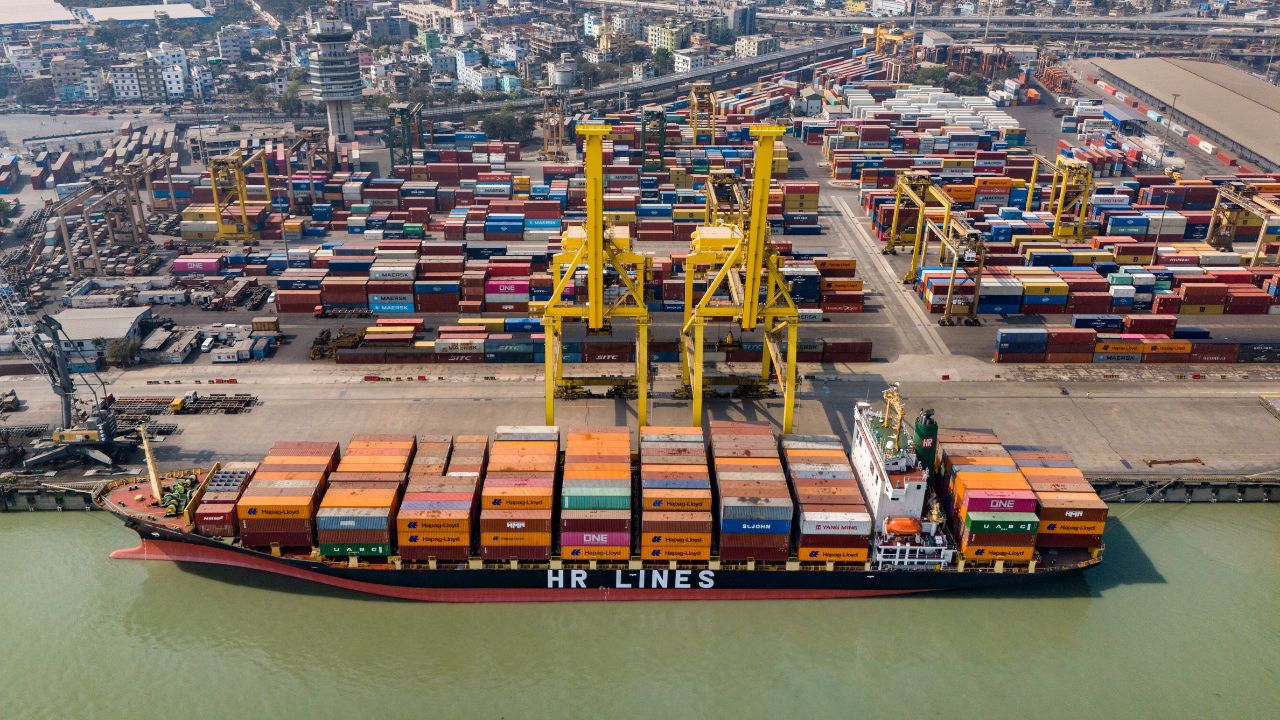



“Many exporters strengthened their focus on non-traditional markets to offset slower shipments to the US and European markets, and that effort is now showing results,” said Mohiuddin Rubel, founder and CEO of Bangladesh Apparel Voice.
India is a top single non-traditional market for Bangladeshi apparel. Japan has emerged as a high-potential destination, while China has shown rising demand for Bangladeshi garments, footwear and leather products.
Australia, Turkey and markets in the Middle East, particularly Saudi Arabia and the United Arab Emirates, are also among the important destinations. South Korea, Brazil, Malaysia, Russia and Mexico are other emerging markets where exporters are seeking greater access.
Industry leaders have been pushing for stronger presence in emerging markets through product diversification, improved branding and direct engagement with international buyers.
Rubel said sustained growth in non-traditional markets would require continued investment in competitiveness, product development and market-specific strategies as global sourcing patterns continue to change.