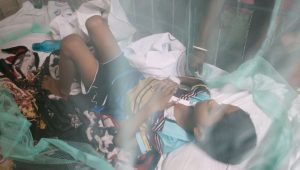
The predatory influence of brokers within the country’s government hospitals has reached an overwhelming and dangerous level.
These intermediaries have become increasingly aggressive, frequently resorting to physical violence when patients’ attendants resist attempts to divert them to specific private facilities.
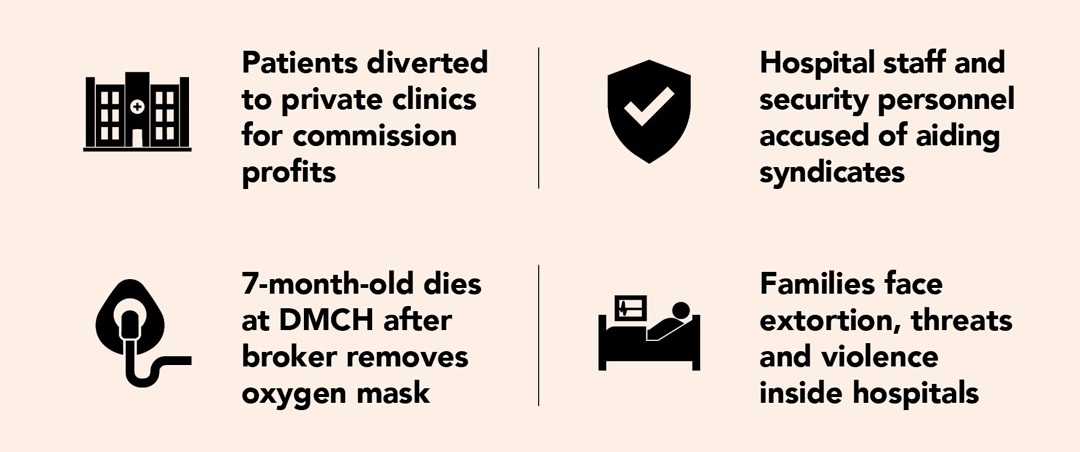
The consequences of this interference are often fatal. There have been documented cases in which brokers removed life-saving oxygen masks while attempting to forcibly transfer patients.
In one particularly egregious instance, a hospital director was even implicated in a case involving a patient being held hostage and moved to a private facility in Dhaka.
This crisis of security and management is a long-standing issue that the health administration has failed to resolve.
The problem is not merely external. Allegations of complicity frequently extend to hospital doctors, support staff and even Ansar members stationed on duty for security.
While the health authorities occasionally issue warnings, the gestures rarely translate into effective action or systemic reform.
Consequently, a parasitic cycle has solidified within the healthcare sector.
Many private hospitals and diagnostic laboratories now rely on the syndicate to survive, effectively cannibalising the public health system by diverting patients for profit.
Former Bangladesh Medical Association (BMA) president Dr Rashid-e-Mahbub told TIMES of Bangladesh that while corrective actions are meant to be coordinated between hospital administrations and law enforcement agencies, the efforts are now largely ineffective.
Reflecting on previous standards of governance, he noted that hospital supervision was once far more rigorous, a level of oversight that has since disappeared.

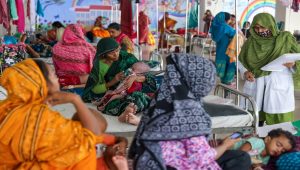
He further observed that the crisis is being compounded by a chronic shortage of beds, forcing hospitals to admit patients well beyond their intended capacity and creating a chaotic environment ripe for exploitation.
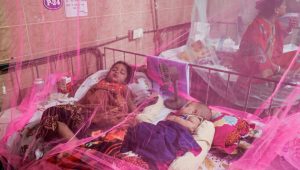
A devastating tragedy unfolded at Dhaka Medical College Hospital on Tuesday afternoon when seven-month-old Hasib Ahmed Minhaj died after a broker removed his oxygen mask during a forced transfer to a private clinic.
The infant had been brought from Rangpur to the emergency department of the country’s largest public referral hospital.
His relatives alleged that a hospital employee, Enayet Karim, intercepted them and promised to facilitate admission to the children’s ward.
Exploiting the shortage of available beds, the family was eventually pressured into transferring the child to a private “home care hospital”.
Hasib’s father Helal Mia recounted the harrowing experience.
“Doctors had explicitly warned us that the oxygen mask must not be removed for even two minutes,” he said. “We informed the broker of this, yet he spent thirty minutes wandering the hospital grounds, insisting he would remove the mask to place the child in an ambulance.”
The father realised his son had died the moment they cleared the gate of Building 2 and reached the ambulance. Reflecting on the preventable loss, Hasib’s uncle Md Ripon shared the family’s grief.

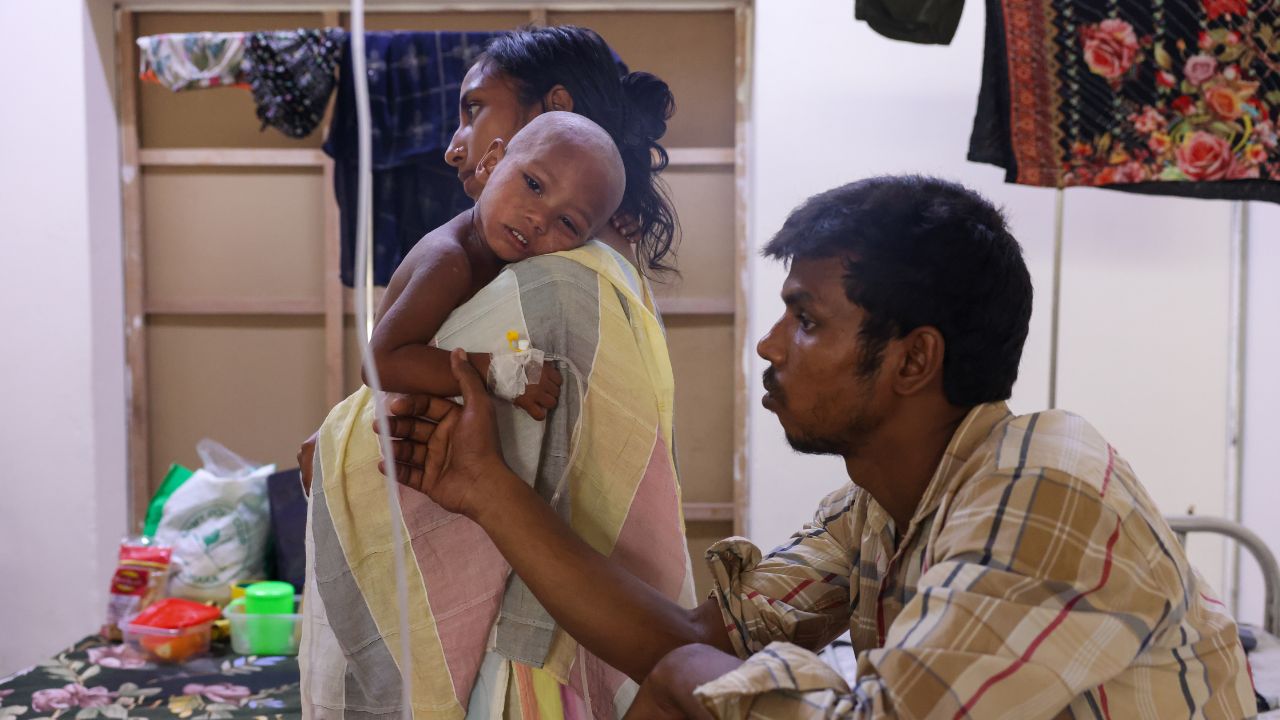
“We came to Dhaka from our village and simply followed his instructions,” he said. “We could have found peace if our child were still alive, but now we appeal to the government to ensure no other family has to suffer such a void.”
The pattern is visible in nearly all government hospitals in Dhaka. The practice is no secret, with patients often reporting the visible involvement of intermediaries in guiding admissions, treatment and diagnostic services.
Despite periodic raids, arrests and official warnings, the practice is widely said to reappear within days. Patients also claim they are sometimes directed to private clinics linked to hospital doctors, particularly for surgeries and complex care.
Similar concerns extend to diagnostic services, where delays or breakdowns in public hospital equipment allegedly push patients toward private laboratories.
Following Hasib’s death, a Dhaka Medical College Hospital employee, speaking anonymously, told TIMES that brokers operate within hospital premises with the involvement or awareness of some staff members, including personnel tasked with maintaining security and order.
The escalating crisis has now directly implicated hospital leadership, with National Institute of Cardiovascular Diseases and Hospital Director Abdul Wadud Chowdhury facing intense scrutiny following a fatal brokerage incident.
In the case, a patient was lured away to a private clinic where he was denied proper medical care. After being returned to the government facility in critical condition, he eventually died.
The situation turned even more volatile when brokers allegedly attacked grieving relatives for attempting to file a formal complaint.
Abu Hurayra, the son of the deceased patient Jinnat Ali, has since filed a lawsuit against 11 individuals in the Dhaka Metropolitan Magistrate Court.
Consequently, Sher-e-Bangla Nagar Police Station has been ordered to submit a formal investigation report by June 16.
Hurayra recounted that during the previous Ramadan, his father was admitted to the coronary care unit (CCU).
While there, a ward boy named Shahid and several associates persuaded the family to move Jinnat Ali to “Hriday General Hospital”, promising superior care.
However, once at the private facility, the experience shifted from medical care to criminal extortion.
Hurayra alleged that the hospital held his father hostage, repeatedly demanding money while withholding necessary treatment.
Hurayra himself was reportedly detained and assaulted until he managed to pay the fees with borrowed funds.
By the time Jinnat Ali was brought back to the government hospital, it was too late.
When the family attempted to seek justice at the hospital, they were met with further violence and threats of being handed over to police.
The situation is equally dire outside the capital, with Rajshahi Medical College Hospital facing a similar surge in predatory activity.
Brokers there frequently pose as legitimate hospital employees to lure patients toward private clinics or diagnostic centres, promising superior doctors and expedited testing.
Hospital spokesperson Shankar K Biswas confirmed that authorities are conducting regular raids and handing suspects over to law enforcement agencies, but said public vigilance remains essential.
He urged patients not to be misled by strangers and to communicate exclusively with official information centres or on-duty medical staff.
In Barisal, a well-organised syndicate has long harassed patients and their families at Sher-e-Bangla Medical College Hospital.
Stationed strategically at the main gates and inside hospital halls, the gang members systematically diverted patients to private facilities for financial gain.
The crisis prompted a high-level intervention on May 11, when the Health Minister issued strict orders to eradicate broker violence in the area.
The directive was followed by a district administration crackdown the next day, resulting in the arrest of eight brokers.
During the drive, several detainees confessed to operating on a commission basis, receiving between Tk50 and Tk100 for every patient they successfully diverted for private testing.
Directorate General of Health Services Deputy Director for Hospitals Mohammad Ibrahim Titon acknowledged the deep-rooted nature of the influence.
He admitted to TIMES that the brokerage problem has plagued the hospital system for years, noting that while formal instructions have been issued to address the rot, the struggle to reclaim the public spaces continues.