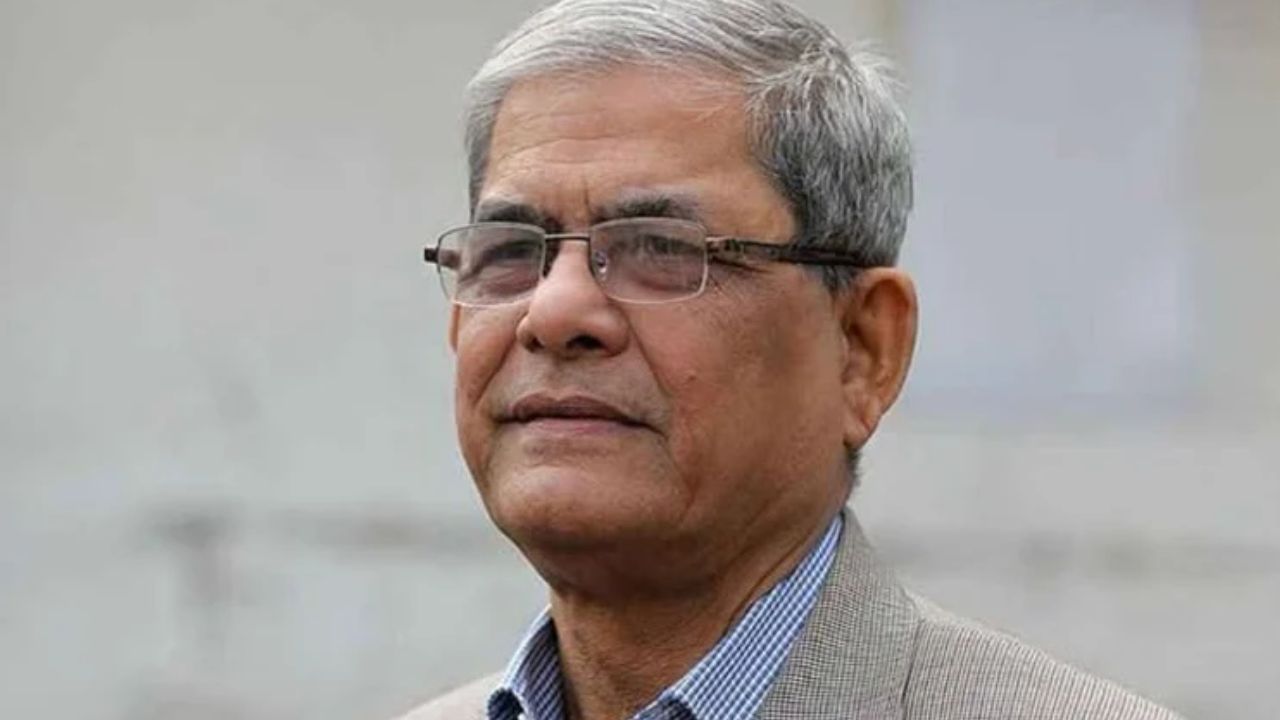
Bangladesh is weighing Prime Minister Tarique Rahman’s attendance at the BRICS Summit in New Delhi, with the premier seeking confirmation of substantive bilateral talks with Indian leaders after the event before deciding whether to make the trip.
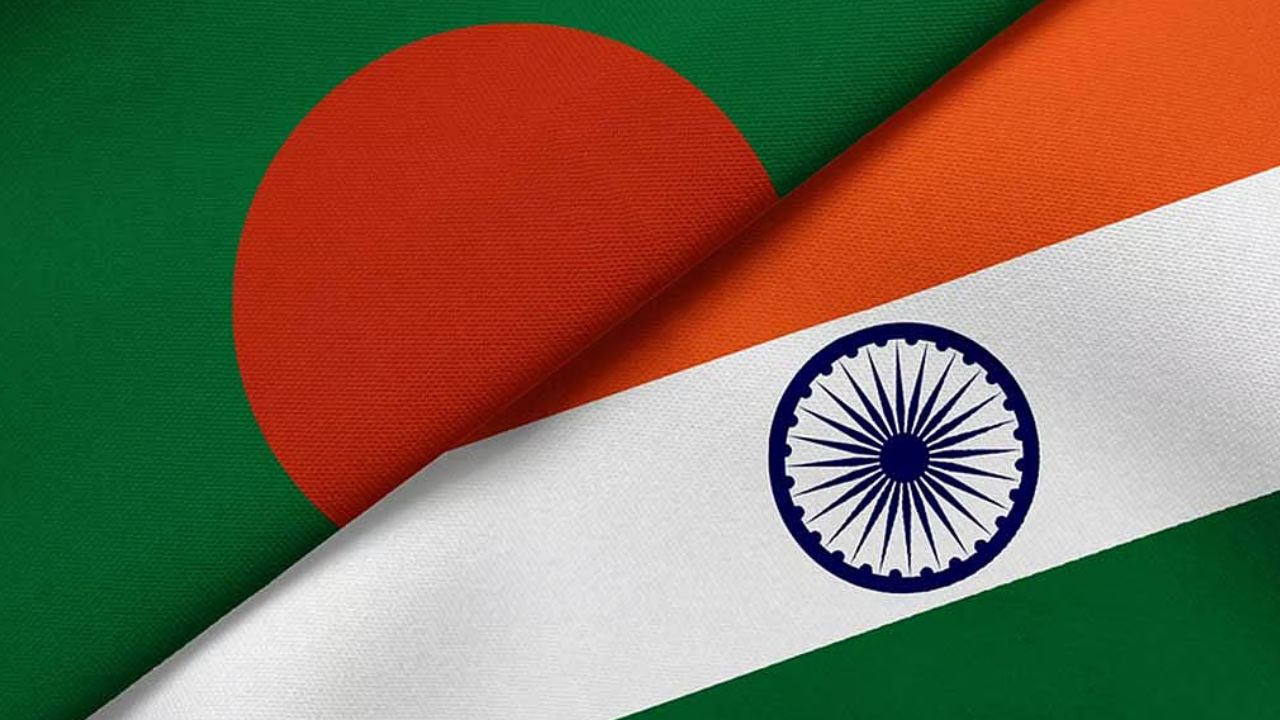
The invitation offers Dhaka an opportunity to cautiously reset strained ties with India, but domestic political sensitivities and uncertainty over meaningful bilateral engagement remain key factors in the decision.
Diplomatic sources said India extended the invitation in its capacity as the current Chair of BIMSTEC rather than as part of a bilateral initiative.
The move is being interpreted in Dhaka as an effort to engage Bangladesh primarily on regional cooperation instead of addressing contentious bilateral issues.
The government has yet to decide whether the Prime Minister will attend.
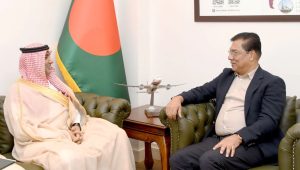
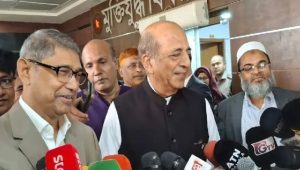
Foreign Minister Md Khalilur Rahman told reporters at the Ministry of Foreign Affairs on Wednesday that no decision had been taken regarding the visit. “The moment a decision is made, it will be communicated to the media,” he said.

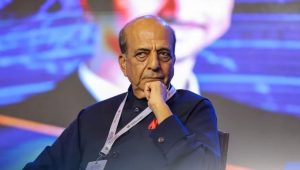
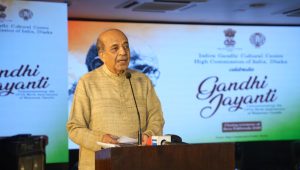
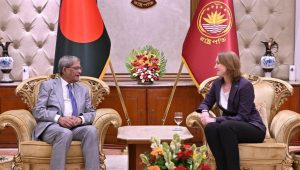
On the same day, newly appointed Indian High Commissioner Dinesh Trivedi, following a courtesy call on the Foreign Minister, expressed hope that the visit would take place soon.
“We are eagerly awaiting the Honourable Prime Minister’s visit to India, and I am sure it will happen in the near future. We are very hopeful and are all looking forward to that,” the envoy said.
Diplomatic balancing act
Officials say the decision carries both diplomatic and political implications.
A visit to India remains politically sensitive in Bangladesh following the deterioration of bilateral relations after the fall of the Awami League government in 2024.



At the same time, declining the invitation could be interpreted internationally as a lack of enthusiasm for BIMSTEC, whose Secretariat is based in Dhaka and which Bangladesh currently chairs.
Diplomatic observers note that attending the BRICS Summit would provide an opportunity for the prime minister to interact with regional leaders.
However, with several heads of government expected to participate, Bangladesh is unlikely to receive significant diplomatic attention, while the tightly packed summit schedule would leave little room for meaningful bilateral negotiations.
Converting the trip into a full-fledged bilateral visit is also considered difficult because of time constraints and the extensive preparations required, with only about five weeks remaining before the summit.
Resetting relations
Despite continuing irritants in bilateral ties, both governments appear to be pursuing a gradual reset of relations based on mutual interests.
Foreign Minister Khalilur Rahman said Bangladesh and India are working to rebuild their relationship on the principles of sovereign equality, mutual respect and shared interests.
He said his approach to the relationship is guided by a “Bangladesh First” policy.
The minister acknowledged that both sides recognise there are unresolved issues affecting the relationship and share the understanding that these need to be addressed for bilateral ties to move forward.
Although he did not specify the issues, diplomats say recent engagements between the two countries have reflected a willingness to stabilise relations while avoiding public confrontation over outstanding differences.
Limited scope for substantive talks
Md Sufiur Rahman, a former ambassador and Senior Research Fellow at the South Asia Institute of Policy and Governance (SIPG) at North South University, said expectations of any substantive bilateral engagement during the summit should remain modest.
“There are practical challenges to discussing substantive bilateral issues during a sideline meeting because of severe time constraints and a resultant attention deficit,” he said.
“The prime minister has been invited as the Chair of BIMSTEC to a multilateral event. Therefore, bilateral discussions with the Indian leadership are not likely to go beyond scratching the surface. Though symbolically important, such engagements may not produce immediate results. This can, however, allow the leaderships of the two neighbours to agree on a pathway for dedicated sectoral discussions on matters of mutual interest and divergence.”
He noted that if the prime minister attends, there is little likelihood of reaching meaningful agreements on unresolved bilateral issues given the very short lead time. On the other hand, staying away could raise questions about Bangladesh’s seriousness regarding engagement with its big neighbour and its commitment to advancing bilateral relations, risking wild speculation and interpretation from a geopolitical perspective.
Sufiur Rahman argued that Bangladesh and India ultimately need sufficient sectoral-level engagements to prepare the ground for a dedicated bilateral summit to address the full range of outstanding issues.
“A full-fledged bilateral visit is essential to exchange views on pending matters and critical bilateral subjects. It is not realistic to expect substantive negotiations on complex bilateral matters during a brief sideline meeting at a multilateral summit,” he said.
Diplomatic analysts say Dhaka is therefore expected to carefully assess the potential diplomatic gains, domestic political considerations and regional implications before making a final decision on the Prime Minister’s participation in the BRICS Summit.