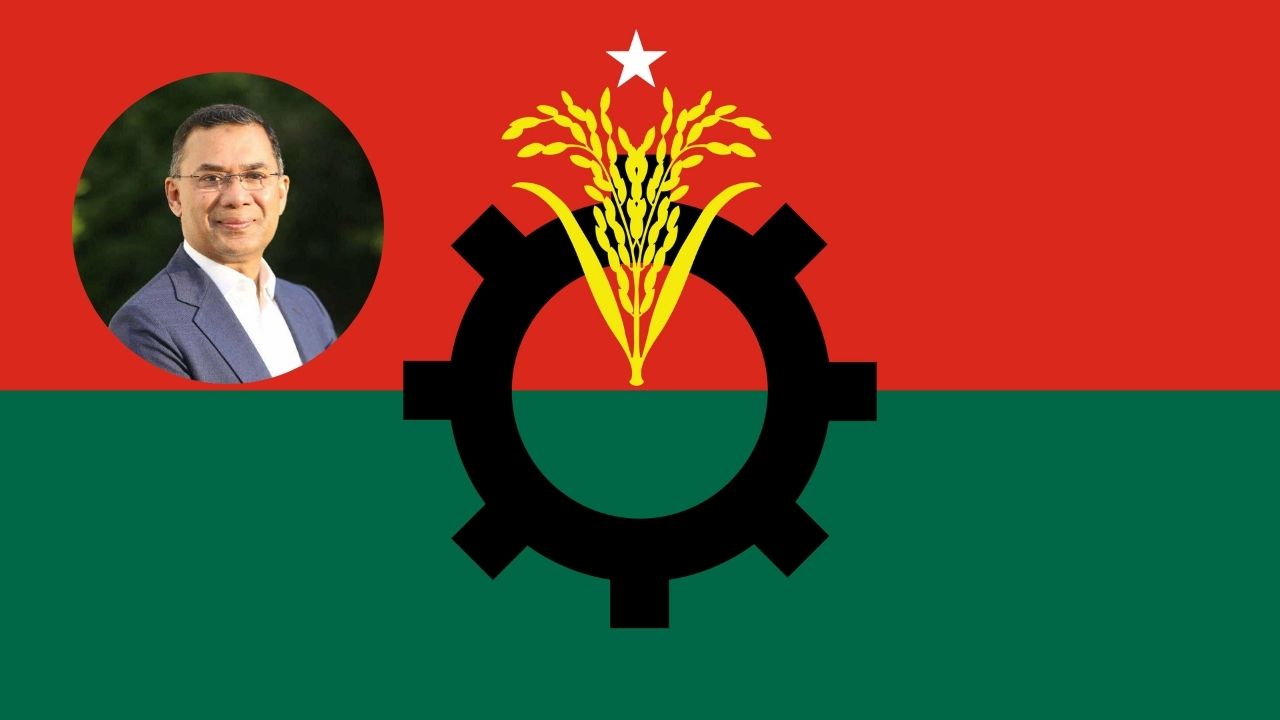



The lights were still burning at the BNP chairman’s office in Gulshan when the black vehicles began arriving one after another.
Outside the gate, television crews adjusted their cameras, newspaper reporters checked their phones, and journalists from online portals exchanged rumours in low voices. Everyone had come for the same reason.
Behind the closed doors, the BNP National Standing Committee was meeting to decide whom the party would nominate to become the country’s next president.
Inside the conference room, the atmosphere was quieter than the gathering outside. Eleven members of the 16-member standing committee had taken their seats around the long table.
The five empty chairs carried their own stories.
Two members were no longer alive: Begum Khaleda Zia and Barrister Jamir Uddin Sircar. Barrister Rafiqul Islam Miah was critically ill and receiving treatment in hospital. Mirza Abbas remained abroad, undergoing physiotherapy after medical treatment. Major (Retd) Hafiz Uddin Ahmed had resigned from all BNP positions after being elected speaker.
The responsibility, therefore, had fallen upon the remaining eleven.
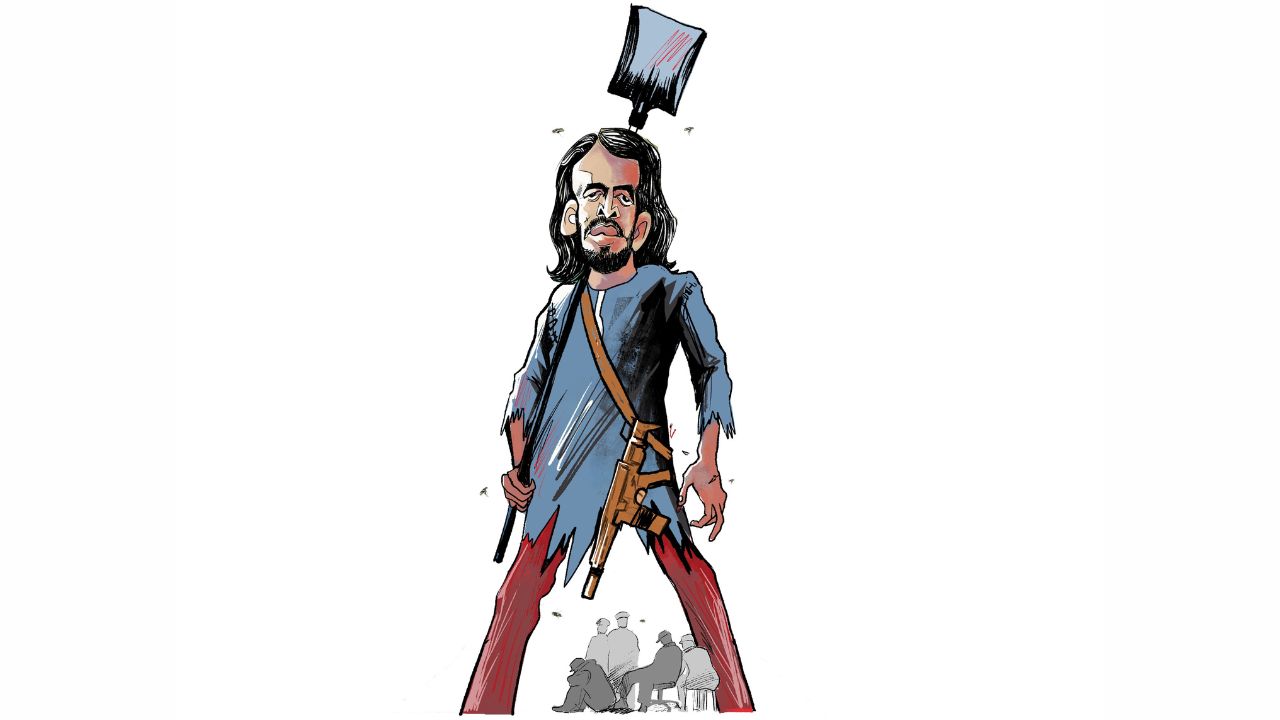
At the head of the table sat Tarique Rahman – BNP chairman, Prime Minister and the man whose judgement now shaped both party and government.
He began with brief introductory remarks. The office had received many names, he said. Some had emerged from within the party, others from political circles, social media discussions and conversations among influential groups. But the presidency was too important to be decided by rumour or enthusiasm.
Then he turned to the senior leaders.
“I want to hear everyone’s opinion.”
Dr Khandaker Mosharraf Hossain was invited to speak first.
His own name had appeared in social media discussions about the presidency. He knew it, as did everyone else in the room. But age and recurring illness had made him cautious, and his words were carefully chosen.
“The president must be someone whose commitment to the BNP is beyond question,” he said. “We should not nominate anyone surrounded by controversy.”
He mentioned no name.

He did not need to.
Dr Abdul Moyeen Khan spoke next. He largely agreed but added another condition.
“The person must also command respect internationally,” he said. “The presidency represents the country beyond our borders.”
Nazrul Islam Khan, Amir Khosru Mahmud Chowdhury, Iqbal Hasan Mahmud and Begum Selima Rahman offered similar views. Loyalty, dignity, experience and acceptability, the same words returned in slightly different forms.
Then Gayeshwar Chandra Roy leaned forward.
His voice carried a different note.
“The president should be a politician,” he said firmly.
A few faces turned towards him.
Gayeshwar continued by reaching into the party’s own history. President Abdur Rahman Biswas, he recalled, had acted decisively during the political crisis of 1996 and resisted an attempted move by the then army chief Lt Gen Abu Saleh Mohammad Nasim. He had possessed that strength, Gayeshwar argued, because he understood politics.
Professor Iajuddin Ahmed, by contrast, had failed to show the same resolve in 2006 and had too easily bowed before powerful military officers.

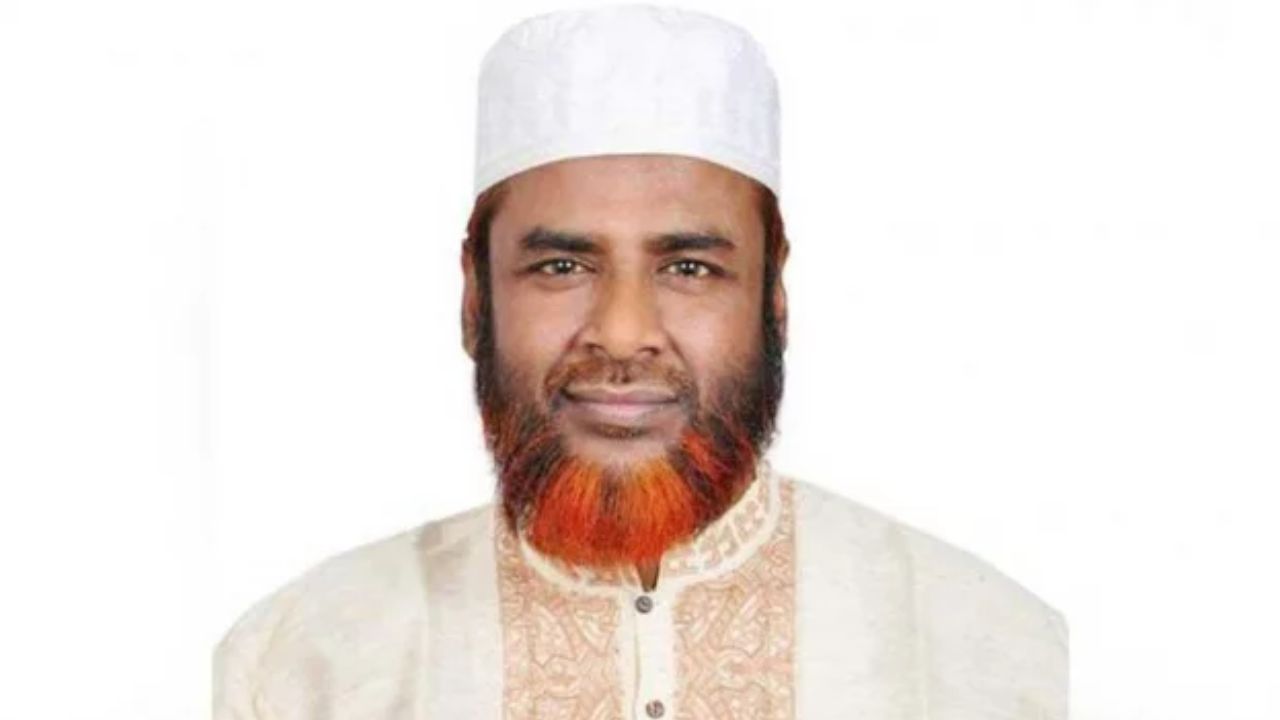
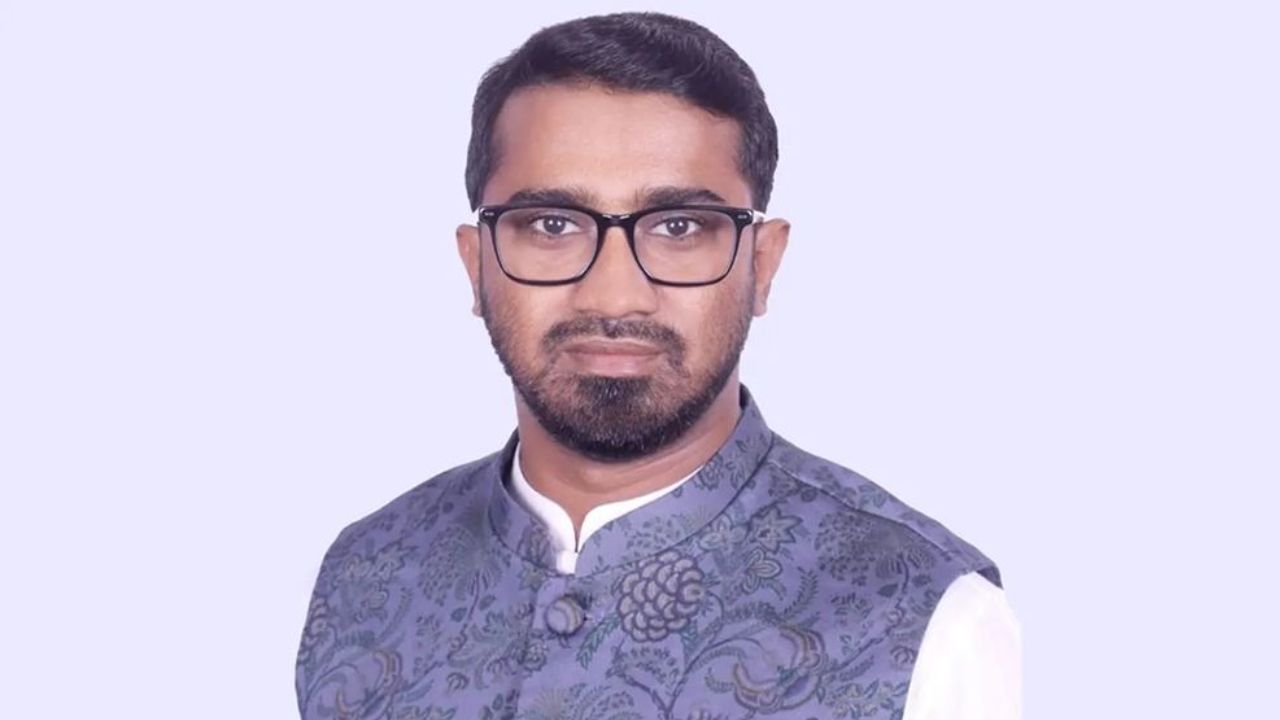
“A politician understands where power moves before it becomes visible,” Gayeshwar said. “The presidency should remain in political hands.”
He paused before making his second proposal.
“The next president should also be a freedom fighter.”
The room remained silent.
“The BNP is a vast party. It should not be difficult to find a qualified freedom fighter among us. Five people became president during BNP rule. Apart from Ziaur Rahman, neither of the other two was a freedom fighter. We now have another opportunity.”
When Gayeshwar finished, Mirza Fakhrul Islam Alamgir began to speak.
Of all the possible candidates, his name was being mentioned most frequently in political circles. He was aware of the speculation, yet he avoided referring to himself.
“The next president must be liberal at heart and progressive in outlook,” he said. “The person should be acceptable to all political parties and to every organ of the state.”
No one interrupted him.
Dr AZM Zahid Hossain chose not to describe the qualities of a possible candidate.
Instead, he looked towards Tarique Rahman.
“The chairman is running the country with firmness,” he said. “I believe he will consider the views of the senior leaders and nominate the right person.”
The discussion had now begun to move in another direction.
At last, Salahuddin Ahmed spoke.
In the present political order, few within the BNP wielded more influence. After Tarique Rahman, many regarded him as the party’s most powerful strategist.
He began by referring to Dr Zahid Hossain’s remarks.
“Since the fall of the Awami League, the chairman has made the correct decision at every critical moment,” Salahuddin said. “Those decisions brought the BNP to power.”
His voice was calm, but the meaning of his words was unmistakable.
“I have complete confidence in his judgement. I believe he will also make the right decision in nominating the president.”
Then came the proposal that changed the purpose of the meeting.
“The responsibility for selecting the presidential nominee should be entrusted to party chairman Tarique Rahman.”
For a moment, no one spoke.
Then one voice expressed agreement.
Another followed.
Within seconds, everyone around the table had given their consent.
The meeting convened to select a president had instead selected the person who would select the president.
Tarique Rahman looked around the room before speaking again.
He thanked the members for placing their trust in him.
“There are still around 80 days before the presidential election,” he said. “There is no reason to rush.”
The country’s internal political situation would have to be considered, along with national priorities and the wider international environment. The final nominee, he said, would be a capable and appropriate person.
He offered no name.
With that, the meeting ended.
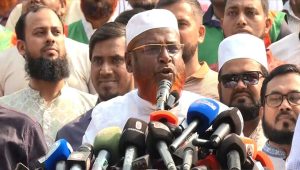
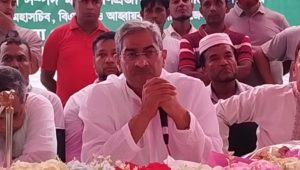
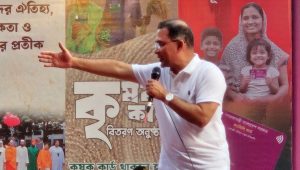
Outside, the journalists saw movement near the entrance. Camera lights came on. Microphones were raised. Reporters crowded towards the two leaders emerging from the building – Mirza Fakhrul Islam Alamgir and Salahuddin Ahmed.
Mirza Fakhrul spoke first.
“The standing committee has authorised BNP Chairman Tarique Rahman to nominate the country’s next president.”
The reporters immediately began asking whether any names had been discussed.
Salahuddin Ahmed stepped towards the microphones.
“No individual’s name was discussed as a presidential candidate,” he said.
The journalists looked at one another.
They had waited all evening to learn the name of the next president.
Instead, they had learnt the name of the man who would decide it.
This is entirely a work of political fiction. Any resemblance to discussions or decisions at the BNP National Standing Committee meeting this evening concerning the presidential election is purely coincidental.