Dengue infections in Barishal division have crossed 19,000 in the first 10 months of 2025, with 44 deaths recorded so far, marking a sharp rise in cases compared to last year.
According to the Divisional Health Directorate, 19,111 people were infected from January to 10 November.
During the same period last year, the region reported 8,773 cases, 10,300 fewer than the current tally. However, fatalities last year were higher at 64.
In the first 11 days of November alone, nearly 1,500 new cases were confirmed, with three reported deaths. October logged 3,087 infections and eight fatalities.
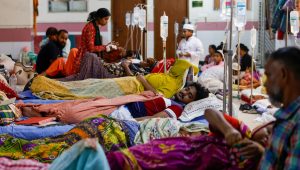
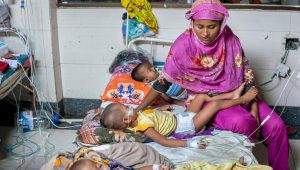
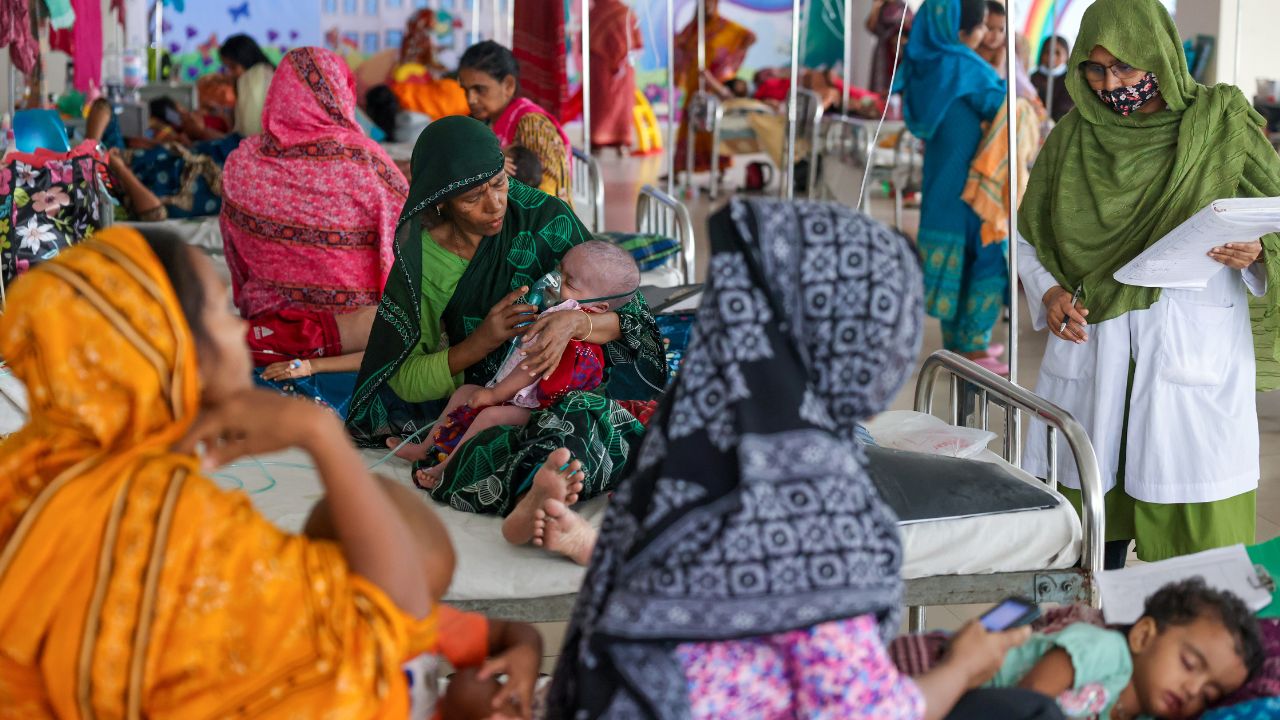
Hospitals across the region are witnessing an influx of patients, particularly at Sher-e-Bangla Medical College Hospital in Barishal, the largest medical facility in southern Bangladesh.

Around 2,000 dengue patients have received treatment there this year, 25 of whom died. Most fatalities involved patients aged between 30 and 60, hospital officials informed.
On average, 80–90 dengue patients are being admitted in the hospital each day, with occupancy recently rising sharply to around 90 patients at a time.
Districts including Barguna and Patuakhali have reported the highest number of infections in the division.
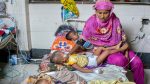

Doctors have warned that many patients are arriving late for diagnosis after initially treating fever at home or purchasing medicine from pharmacies. Medical delays are increasing the risk of severe complications, they said.
Khokon, one patient undergoing treatment, said he had persistent fever and body aches for three days before doctors confirmed dengue through diagnostic tests.
Siddik Pori, a caregiver, said his son’s condition worsened after days of medication at home, only for tests to later confirm the infection.
A college student, Arif, shared a similar account about his teacher, who was hospitalised after eight days of untreated fever.
Hospital authorities said adequate medicines and supportive care are available, but emphasised that early diagnosis is critical.
Barishal Sher-e-Bangla Medical College Hospital Director Brigadier General AKM Moshiul Munir said dengue cases typically surge in October and November, and this year is following a similar trend.
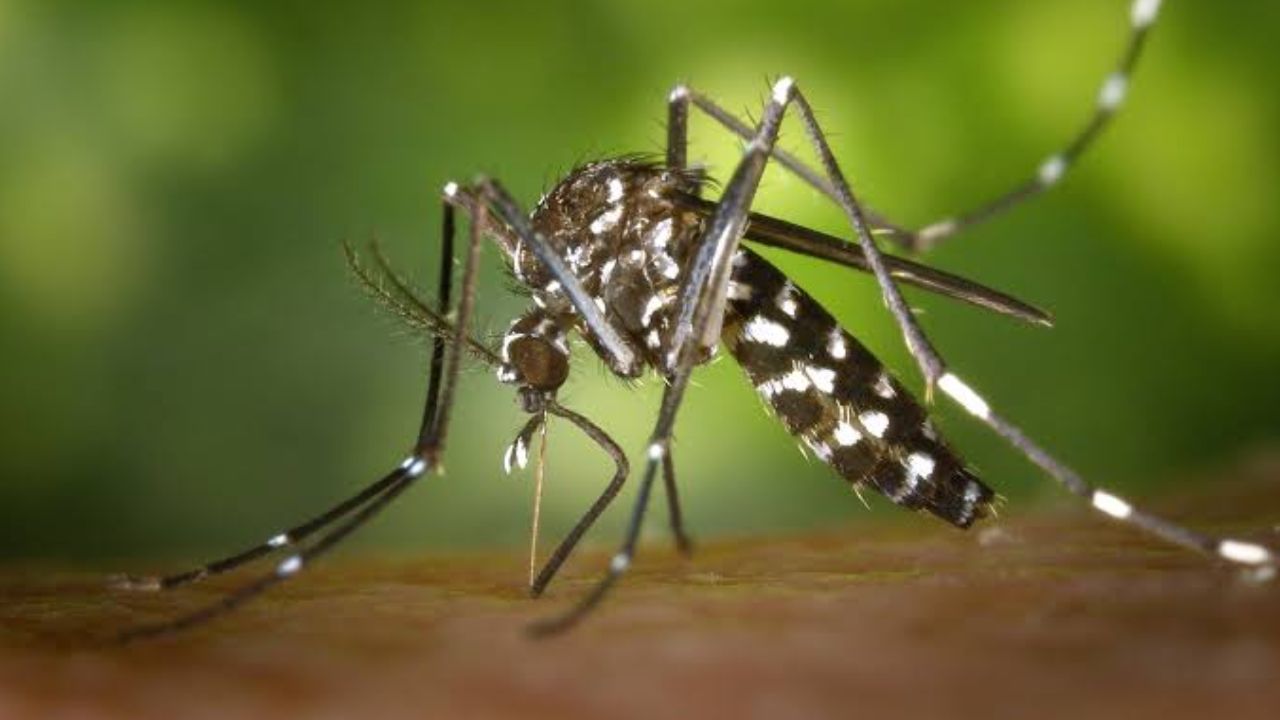
“The key to prevention is avoiding mosquito bites. People must use mosquito nets and ensure clean surroundings. Most fatalities occur when patients are hospitalised at a critical stage. Early treatment can save lives,” he said.
Divisional health officials have also stressed mosquito control as the primary prevention measure.
Deputy Director of Barishal Divisional Health Directorate Dr Mohammad Lokman Hakim said, “If mosquito breeding can be controlled, the spread can be significantly reduced. Increased awareness campaigns are essential, and the health department is working to expand outreach. Saline supply is sufficient across the region.”
Medical experts continue to urge the public to seek immediate medical attention if fever persists and to remain vigilant in household and community-level mosquito control measures.