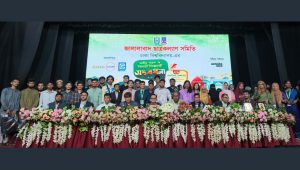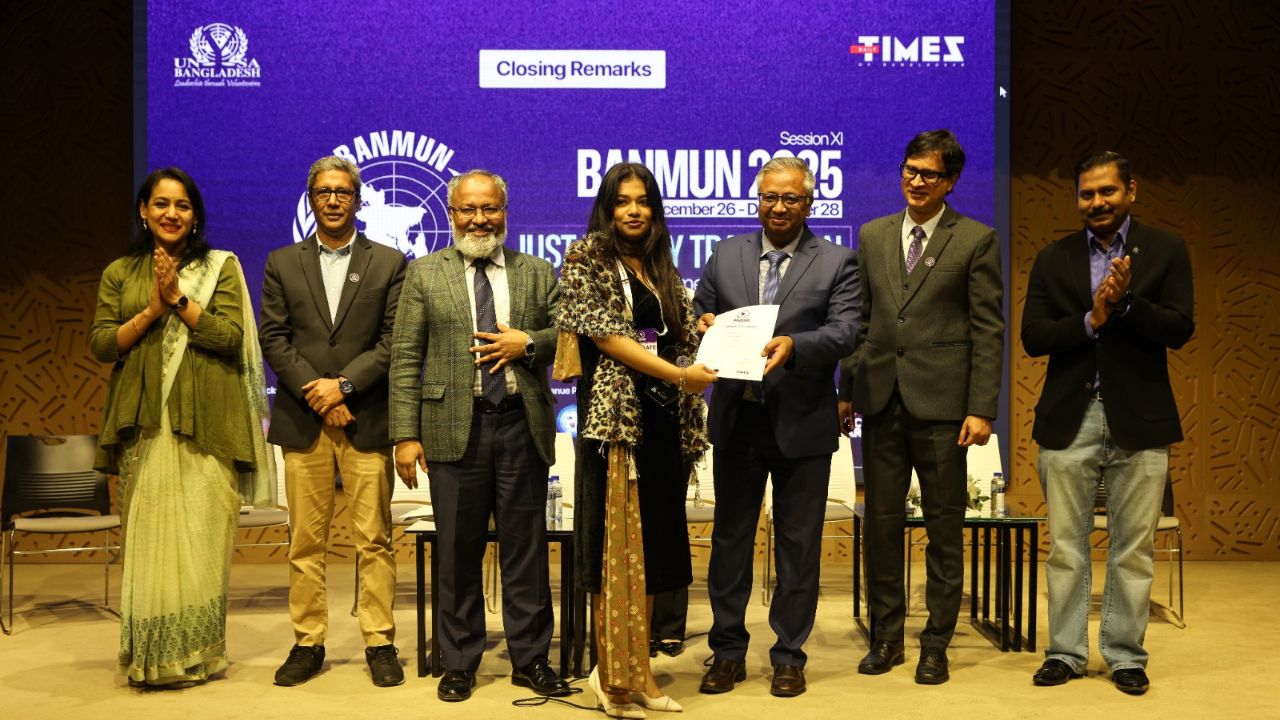



Secretary (Bilateral) Ambassador Md Nazrul Islam said on Saturday that for Bangladesh, a just energy transition is not a slogan, it is a necessity shaped by climate vulnerability, development realities, and the demand for social justice.
Addressing the closing ceremony of the three-day Bangladesh Model United Nations (BANMUN)’25 as chief guest, he stressed the importance of balancing development ambitions with environmental sustainability and social justice.
Referring to the country’s evolving energy landscape, he noted that although Bangladesh is expanding renewable sources such as solar and wind, their overall contribution remains limited.
Linking policy to people, Ambassador Md. Nazrul Islam emphasised the centrality of youth leadership in shaping a “new Bangladesh” driven by inclusive growth and innovation. While acknowledging the competitive nature of the foreign service, he noted that the skills fostered through BANMUN critical thinking, negotiation, empathy, and consensus-building are transferable across professions.
He welcomed initiatives emerging from the conference, including a youth-led magazine in collaboration with TIMES of Bangladesh and plans to decentralise BANMUN beyond Dhaka, pledging institutional support from the Ministry of Foreign Affairs. He reminded delegates that the value of BANMUN lay not only in awards, but in the experience and responsibility it cultivates.

Organised by United Nations Youth and Student Association of Bangladesh (UNYSAB) in cooperation of TIMES of Bangladesh, the conference at American International University–Bangladesh (AIUB).
Echoing this emphasis on practice over theory, special guest Shah Asif Rahman, Director General of the United Nations Wing at the Ministry of Foreign Affairs, described BANMUN as a practical training ground for multilateral diplomacy rather than a classroom exercise.




He thanked UNYSAB, TIMES of Bangladesh, and AIUB saying that delegates effectively stepped into the roles of diplomats, negotiators, and policy shapers. He noted that the issues debated—climate change, development, equity, and cooperation—reflect the world’s most pressing challenges, and praised delegates for engaging constructively and empathetically. Drawing parallels with Bangladesh’s foreign policy priorities, he highlighted commitments to peaceful dialogue, international law, and justice, expressing confidence that many participants would one day represent the country on the global stage.
Shifting the lens to justice and inclusion, Special Guest Sharmin Islam, Gender Team Leader at UNDP Bangladesh, cautioned against viewing clean energy solely as a technical transition. A truly just transition, she argued, must confront structural inequalities. Citing a UNDP-supported solar mini-grid project in Monpura Island, she illustrated how expanded electricity access was paired with training women as electricians and supporting women-led livelihoods.
From the perspective of media and public discourse, Special Guest M Abul Kalam Azad, Editor, Special Affairs of TIMES, reflected candidly on journalism, credibility, and youth participation. Acknowledging declining public trust in media, he rejected the notion that journalism has entirely lost its credibility.
Sharing his own journey from a rural background to nearly three decades in the profession, Azad encouraged delegates to engage with journalism as a public service.
Delivering the Guest of Honor address, Prof. Dr. Saiful Islam, Vice Chancellor of AIUB, combined personal reflection with a call for intellectual discipline. Recalling his first visit to the United Nations headquarters in 1977, he urged delegates to critically assess both the purpose and limitations of the UN in today’s fragmented world. While acknowledging its shortcomings, he maintained that peace through cooperation remains indispensable. Stressing the importance of knowledge, he argued that diplomacy demands a strong grounding in geography, history, culture, and global affairs, urging students to use this formative period to build durable intellectual foundations.
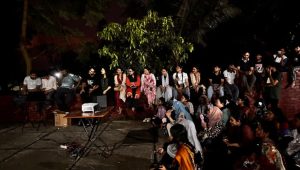
Throughout the three days, delegates engaged in rigorous debates across eight committees, addressing urgent global and national issues including climate justice, just energy transition, development equity, and multilateral cooperation. Through moderated and unmoderated sessions, discussions steadily moved beyond abstract debate, culminating on the final day with the adoption of consensus-based resolutions giving the exercise a distinctly policy-oriented conclusion.
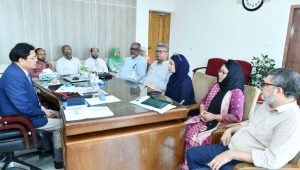
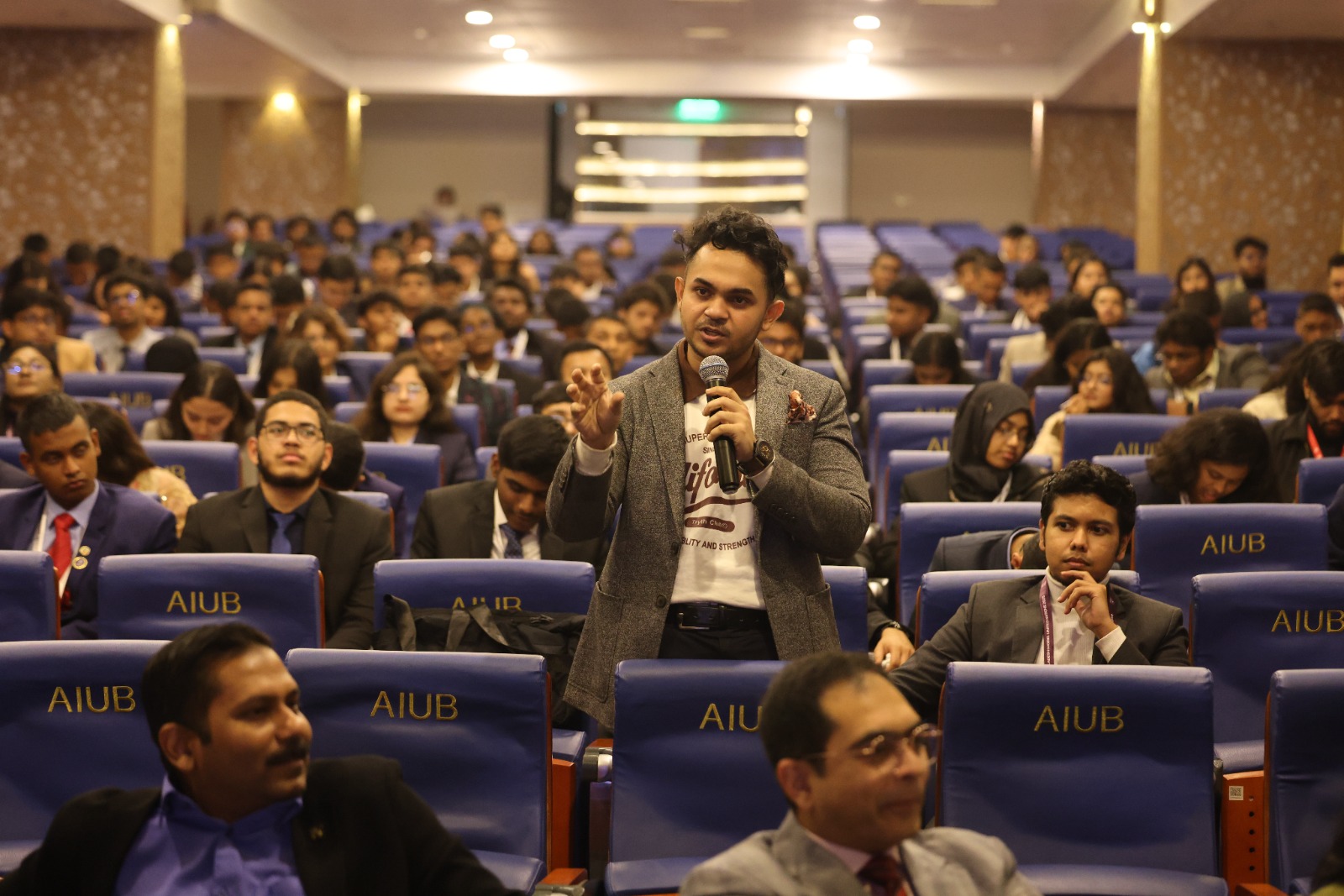
Ahead of the closing ceremony, Acting Editor of TIMES Josim Ahmed held a special interactive session with a group of BANMUN delegates. It was chaired Professor Sayed Md. Saikh Imtiaz of Department of Women and Gender Studies at the University of Dhaka and Chairman of the UNYSAB Trustee Board.
The discussion focused on youth perspectives, responsible leadership, and the role of informed debate in shaping public discourse, offering delegates a more intimate space to reflect on their experiences and aspirations.
Senior academics, organisers, and guests, reinforcing the strong engagement between youth platforms, academia, and the media attended the event.
As BANMUN ’25 concluded at AIUB, the messages from diplomats, development practitioners, academics, and media leaders converged on a shared conviction: debate must lead to action, leadership must be rooted in knowledge and justice, and youth must be trusted not merely as participants, but as future leaders shaping a fairer national and global order.