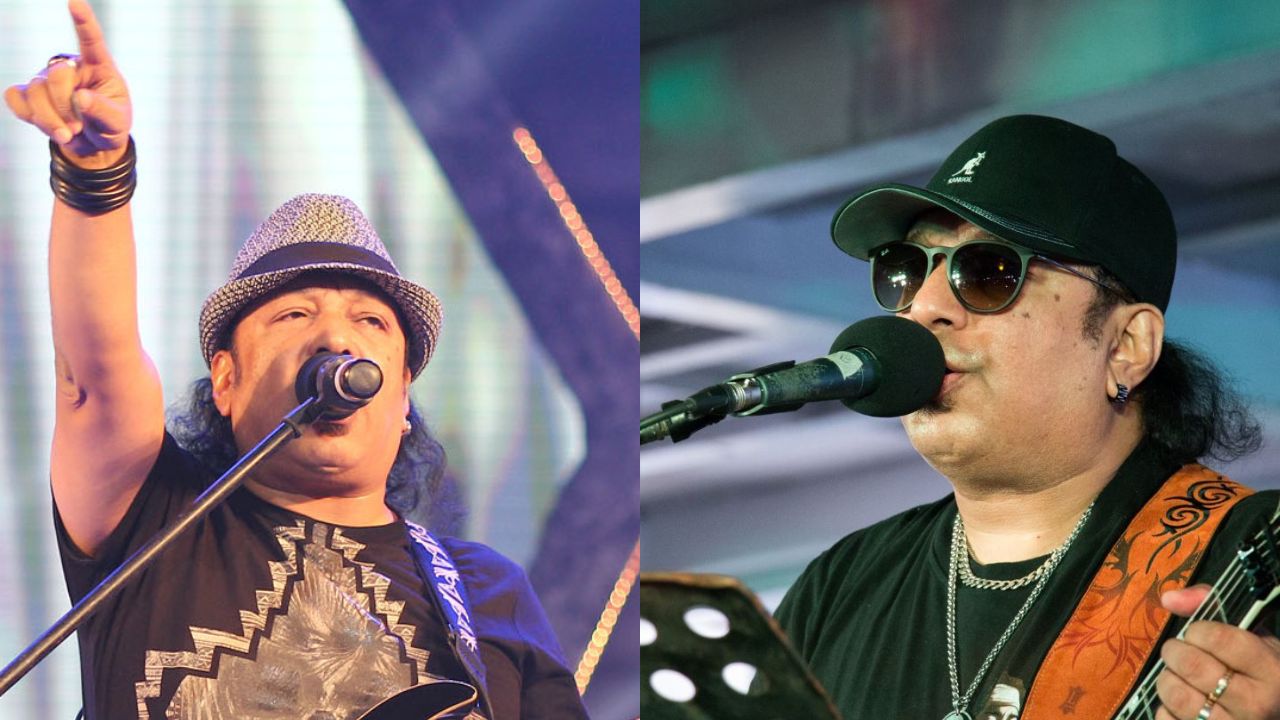



Sixty-five guitars. A lifetime of songs. And a sound that Bangladesh still carries in its memory. For Ayub Bachchu, guitars were never simply instruments.
They were companions, obsessions and extensions of a musical life spent chasing the perfect sound. Eight years after his death, those strings continue to tell his story.
The opening notes of ‘Shei Tumi Keno Eto Ochena Hole’ can still transport a generation to another time. ‘Cholo Bodle Jai’ can turn a crowd into a chorus. And when ‘Ei Rupali Guitar’ begins, the absence of the man behind it can feel almost painfully close.

Born on 16 August 1962, Bachchu became one of Bangladesh’s defining rock musicians. He was a guitarist, singer, composer and songwriter, but his guitar remained his truest language.
His musical journey took him through Feelings and Souls before he founded Love Runs Blind, or LRB, in 1991.

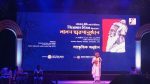

With LRB, he helped push Bangladeshi rock into the mainstream. Albums such as ‘LRB’, ‘Shukh’, ‘Tobuo’, ‘Ghumonto Shohore’ and ‘Ferari Mon’ became landmarks of the country’s band music.
His solo career began with ‘Rokto Golap’ in 1986, followed by ‘Moyna’, ‘Koshto’, ‘Shomoy’, ‘Eka’, ‘Prem Tumi Ki’ and ‘Duti Mon’. ‘Koshto’ remains one of his most celebrated works.
Then came the songs that became part of people’s lives — ‘Koshto Pete Bhalobashi’, ‘Ferari Ei Monta Amar’, ‘Ekdin Ghum Bhanga Shohore’, ‘Ekhon Onek Raat’, ‘Hashte Dekho Gaite Dekho’ and ‘Ural Debo Akashe’.
His voice and compositions also found another life in cinema through ‘Ammajaan’, ‘Ami Toh Preme Porini’ and ‘Ononto Prem Tumi Dao Amake’. Bachchu was generous to young musicians, encouraging guitar enthusiasts and helping nurture the next generation.
When he died on 18 October 2018, Bangladesh lost more than a rock star. It lost a familiar voice. Yet music refuses to obey absence.
On his 64th birth anniversary, Bachchu remains in the strings, the songs and the memories of those who grew up with his music. He may be gone, but somehow, the guitar still plays him.