


Nearly 2.94 million Bangladeshis migrated to Saudi Arabia between 2021 and 2025 yet officially recorded remittances from the kingdom have barely increased, raising questions about workers’ earnings, migration costs and the channels through which money reaches Bangladesh.
Remittances rose from $5.72 billion in fiscal year 2020-21 to $5.85 billion in 2025-26, an increase of just $130 million, Bangladesh Bank data show. Meanwhile, the number of Bangladeshis working in Saudi Arabia has grown from just over two million in 2021 to an estimated 3.5 million to four million.
High recruitment costs, low wages, rising living expenses, job insecurity and residency permit fees may help explain the gap. Some workers may also use informal transfer systems such as hundi, leaving their transactions outside official statistics, although the extent of this remains unclear.
Mustafizur Rahman, a distinguished fellow at the Centre for Policy Dialogue, told TIMES that the government should investigate why remittances had failed to rise despite the growing number of Bangladeshis working in Saudi Arabia.
He suspects increased use of hundi may be contributing to the trend. Remittances from the kingdom also fell sharply around 2017-18, he said, when research by his team linked the decline to money laundering.
Under the hundi system, money is transferred from Saudi Arabia to a third country while workers’ families receive the equivalent amount in Bangladesh. Such transfers are not reflected in official remittance figures.

TIMES spoke to Bangladeshi workers, manpower recruiters and Bangladesh’s ambassador to Saudi Arabia, who cited several other factors, including inflation, uncertain employment despite workers obtaining visas, low skills and difficulties related to iqama, the residence and work permit required for foreign nationals.
Geopolitical tensions cloud remittance outlook
The recent conflict in the Middle East has raised concerns about future remittances. Reports of factory and industrial facility closures amid attacks by Yemen’s Houthi armed group could affect employment and workers’ earnings, potentially putting further pressure on inflows.
Al Amin Hossain, a Bangladeshi driver in Saudi Arabia, said recruitment agencies often sent workers without ensuring they had employment contracts or guaranteed jobs. Those unable to find work were left idle, he said.




“Even when there is no income, expenses for accommodation, food and other necessities continue. Instead of sending money to their families back home, workers sometimes have to seek financial assistance from them,” he said.
Some workers also face prolonged wage delays, Al Amin added, making it harder to cover living costs and support their families.
Another expatriate, Habibur Rahman Insan, said high migration costs, inadequate skills and dependence on intermediaries further reduced workers’ ability to send money home. A substantial share of some workers’ earnings went towards iqama fees and related expenses, he said.
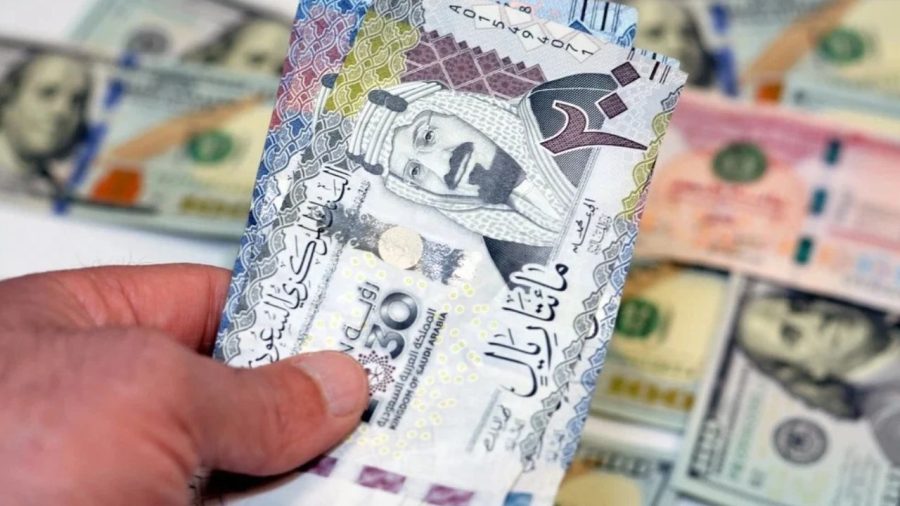
The cost of obtaining an iqama and meeting associated expenses could reach 16,000 to 18,000 Saudi riyals, equivalent to Tk500,000 to Tk600,000, Habibur said.
Fakhrul Islam, a former secretary of the Bangladesh Association of International Recruiting Agencies, said Bangladesh needed to train more workers for skilled jobs in demand in Saudi Arabia, where skilled workers generally earned higher wages.
Around 80% of the workers Bangladesh sends abroad are unskilled or semi-skilled and tend to earn less. Fakhrul said the government also did not negotiate with Saudi Arabia over wages and employment benefits, leaving Bangladeshi workers earning less than counterparts from other countries in similar jobs.
Saudi Arabia would continue to need cleaners and general labourers, he said, but Bangladesh should also train workers for skilled occupations currently filled by people from India, Pakistan, Sri Lanka and Nepal.
Fakhrul called for stricter checks on employers’ capacity to recruit, including whether they had sufficient contracts and accommodation and could cover wages and iqama costs.
Bangladesh’s ambassador to Saudi Arabia, Delwar Hossain, stressed the need for written employment contracts specifying job responsibilities, salaries, responsibility for iqama costs and the obligations of both parties. Such agreements would help protect workers’ rights, he said.
“Sending workers abroad without following the proper procedures creates the risk of them finding no work or falling into irregular status after arrival,” he warned.
Families bear the cost of failed migration
Many families sell land or other assets to finance overseas migration, expecting remittances to help recover those costs and meet household expenses. When workers earn less than anticipated, families can struggle to repay loans and cover basic needs.
Mohammad Minhajul Islam’s family borrowed Tk700,000 to send his brother to Saudi Arabia after their father died there. His brother could not send money home for several months, leaving the family struggling to repay the loan. He has since begun sending smaller amounts, allowing them to make repayments.
Minhajul, a Dhaka University student, said a relative working at the Ministry of Expatriates’ Welfare and Overseas Employment helped bring his father’s body home 17 days after his death. The family still had to spend around Tk300,000 to bring him back.
“Many people spend six months or a year going from one office to another but receive no financial assistance. They do not even know how to bring a deceased relative’s body home. I have witnessed these things myself. The weaknesses in our government system are severe,” he said.