
Ashuganj Fertiliser Factory, one of the country’s largest state-owned urea producers, has remained shut for 17 months because of a complete suspension of gas supply, forcing the government to rely heavily on imports that are drawing only a lukewarm response from suppliers.
The twin setbacks have raised uncertainty over whether Bangladesh can maintain adequate urea supplies during the upcoming Aman season. Experts warn that prolonged disruption could ultimately threaten the country’s food security.
Despite floating international tenders for 4,00,000 tonnes of urea, the government has so far secured suppliers for only 1,25,000 tonnes.
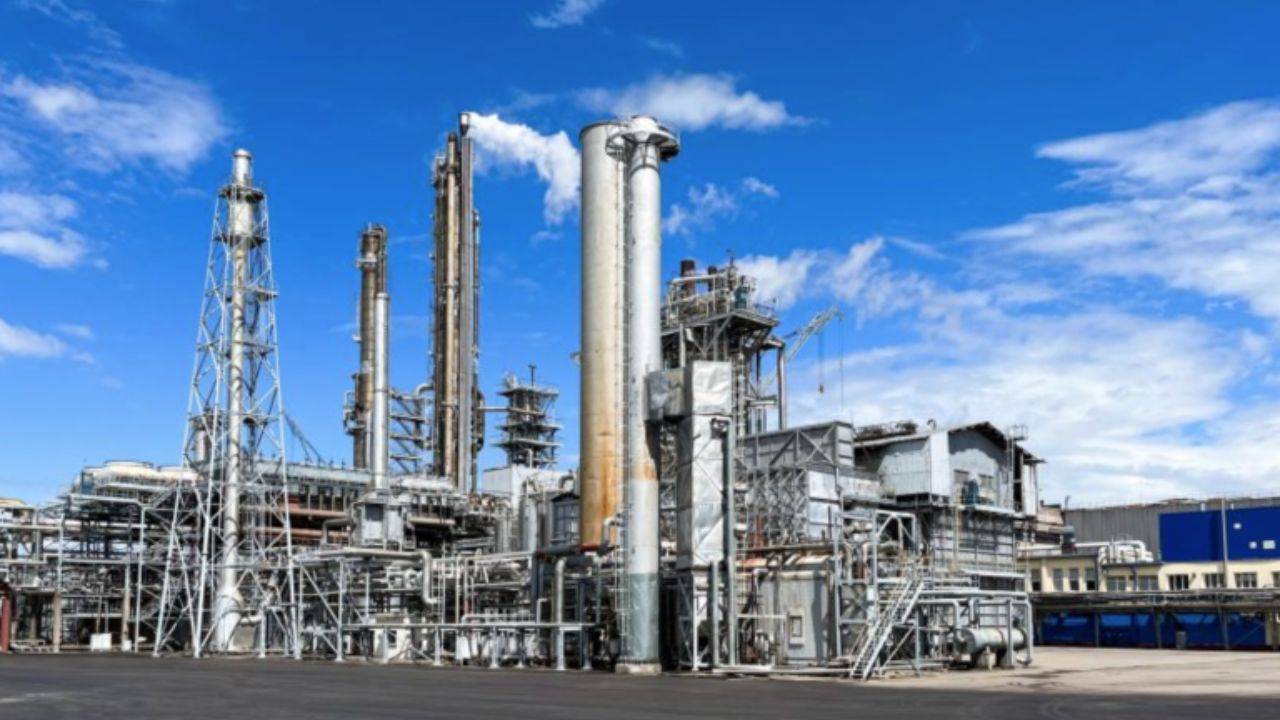
Meanwhile, the Ashuganj factory in Brahmanbaria, which can produce nearly 4,00,000 tonnes of urea annually, has received no gas since 1 March 2025.
The plant has a maximum daily production capacity of 1,600 tonnes. Even after accounting for weekly and public holidays, it can produce close to 4,00,000 tonnes a year.
Bangladesh requires about 26 lakh tonnes of urea annually, more than half of which must now be imported. This year, however, imports have also become uncertain.
Agricultural economist Dr Jahangir Alam has warned that any fertiliser shortage during the upcoming Aman season could reduce crop yields and threaten Bangladesh’s food security.
“If there is a fertiliser shortage and farmers cannot apply it when needed, production will suffer, putting our food security at risk,” he told TIMES of Bangladesh.

He said the warning was particularly worrying as floods had already damaged Aman cultivation in several areas, with many replanted fields suffering further losses.
According to Jahangir Alam, the ongoing gas crisis has disrupted production at the country’s fertiliser factories, forcing Bangladesh to rely more heavily on imports. However, fertiliser has become increasingly scarce on the global market, while prices have risen sharply, making procurement far more difficult.
To avert a crisis, he urged the government to ensure an uninterrupted gas supply to the country’s five urea fertiliser plants so they can resume full-scale production, while importing as much fertiliser as possible to meet demand.
During the US-Iran conflict and the closure of the Strait of Hormuz, the government floated an international tender to import 2,00,000 tonnes of urea, but no company participated.
A second tender was later issued for another 2,00,000 tonnes, attracting only two companies willing to supply a combined 50,000 tonnes.



The government then retendered the first procurement and secured commitments for another 75,000 tonnes.
As a result, suppliers have been found for only 1,25,000 tonnes against the total tendered volume of 4,00,000 tonnes.
Officials said Russia has offered to supply urea at a lower price. However, Bangladesh must weigh the possible reaction of the United States and other Western countries before signing a deal with Moscow, which remains under sanctions over its invasion of Ukraine.
Against this backdrop, the Ashuganj factory could have provided a vital domestic source of supply. Instead, it remains trapped in its longest production crisis.
Officials said the factory had been shut for extended periods almost every year since 2010 because of the government’s gas-rationing policy. However, it had never experienced such a prolonged uninterrupted shutdown.
The production collapse has pushed the once-profitable factory into financial distress.
The shutdown is preventing the production of at least 33,000 tonnes of urea worth about Tk82 crore every month.
At an estimated value of Tk25,000 per tonne, the factory could have produced around 5.5 lakh tonnes of fertiliser worth nearly Tk1,500 crore during the past 17 months.
The plant began commercial production in 1983 and produced between 4,00,000 and 5,00,000 tonnes of urea annually until 2010.
The situation changed after the government introduced gas rationing for domestic fertiliser factories that year.
This time, however, the problem is not rationing. Gas supply to the Ashuganj plant was halted completely on 1 March 2025.
“The factory has failed to meet its production target for 16 consecutive years,” Md Abu Kawsar, general secretary of the Ashuganj Fertiliser Factory Workers and Employees Union, told TIMES of Bangladesh.
He said the factory produced 48,000 tonnes against a target of 1,00,000 tonnes in the 2023–24 financial year and only 13,500 tonnes in 2024–25.
“Despite the suspension of gas supply, the production target for the 2025–26 financial year was increased to 1,50,000 tonnes,” Kawsar added.
The prolonged shutdown is also rapidly eroding the factory’s financial reserves.
“For the past few years, workers’ and employees’ salaries, allowances and other operating expenses have been paid from the factory’s own capital,” said Tajul Islam Bhuiyan, the factory’s deputy general manager (Administration).
“If the situation continues, the factory’s capital will fall to almost zero within a year.”
There is still no indication of when gas supply to the plant will resume.
“We have received no instructions on the matter,” said Bappi Haidar, deputy general manager (Transmission) for the Ashuganj region of Bakhrabad Gas Distribution Company Limited.
“Gas will be supplied once we receive instructions.”
Before the shutdown, urea produced at the Ashuganj factory was distributed across eight districts, including Brahmanbaria, Kishoreganj, Netrakona, Sunamganj, Moulvibazar, Cumilla and Chandpur.