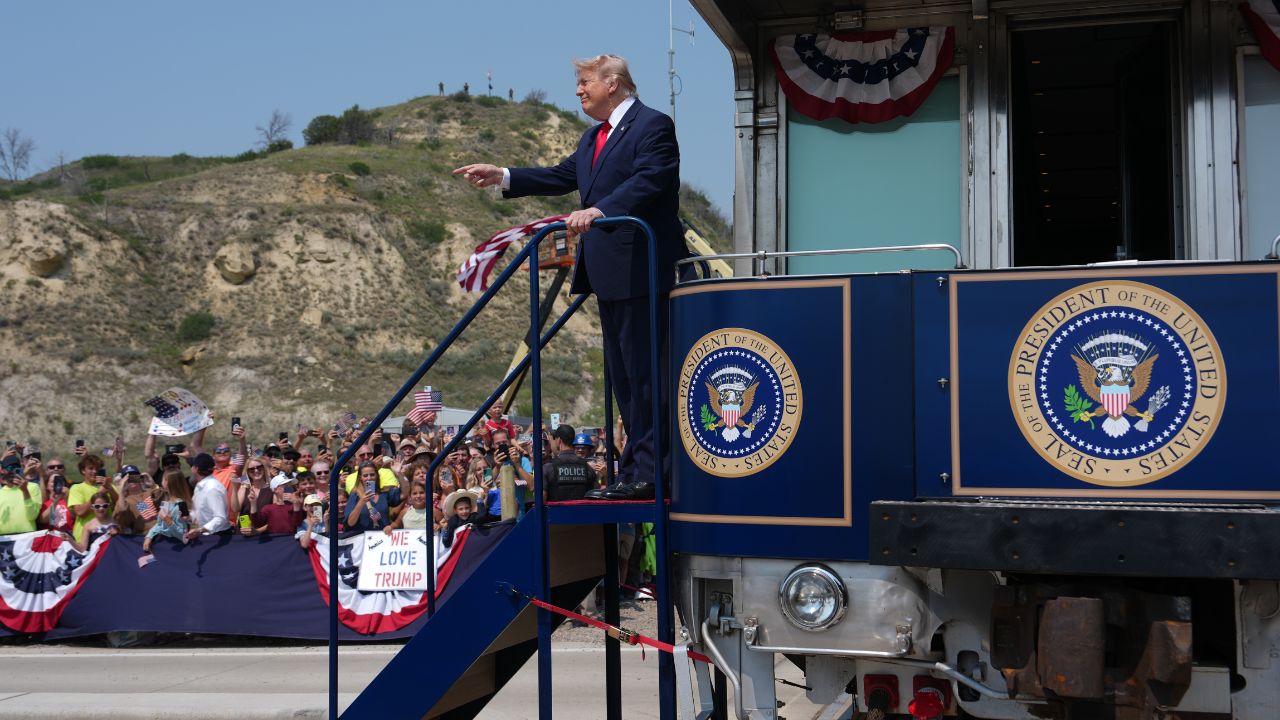



The United States marks its 250th anniversary on Saturday with nationwide celebrations highlighting founding-era patriotism, even as a parallel battle intensifies over how the country’s history should be remembered.
Near Philadelphia’s Independence Hall, where the Declaration of Independence was debated and adopted, a nearby exhibit at the President’s House reflects a different narrative. It focuses on what the National Park Service calls “the paradox between slavery and freedom,” including the story of Oney Judge, an enslaved woman of George and Martha Washington who escaped in 1796, reports Reuters.
In January, the National Park Service removed slavery-related panels following an executive order by President Donald Trump directing federal agencies to review programmes accused of promoting “divisive ideology.” Officials said the move aimed to rebalance historical interpretation, while critics argued it risks narrowing discussion of slavery and race.
A federal judge ordered the panels restored in February, but a later appeals court ruling allowed their removal and replacement, highlighting the ongoing legal and political dispute.

Alan Spears of the National Parks Conservation Association said the controversy raises concerns over historical representation. “When you take down those panels, you are sanitizing, softening, whitewashing and erasing American history,” he said.
As semiquincentennial events unfold, museums and cultural institutions across the US have launched major public programmes. However, many say these celebrations have become entangled in wider debates over national memory, identity and political influence.




The White House-backed “Freedom 250” initiative has promoted mobile exhibits highlighting founding-era figures such as George Washington, while critics say these presentations give limited attention to slavery and minority experiences.
Administration officials reject claims of erasure, arguing the goal is to restore emphasis on America’s founding ideals. “Our role is to integrate different initiatives so Americans can celebrate through one connected experience,” said Keith Krach, CEO of Freedom 250.
Historians and scholars say the dispute reflects a deeper divide over whether US history should primarily celebrate national achievement or also confront slavery, Indigenous dispossession and systemic exclusion.
Howard University historian Ibram X. Kendi said, “History is remembering the full scope of the past, whether it supports or undermines a political goal.”
Other institutions have taken different approaches. The Smithsonian’s National Museum of African American History and Culture reported 1.4 million visits last year, with programming planned for the 250th anniversary focusing on the nation’s “pursuit of a more perfect union.”
For many historians, the concern is not celebration itself but what is left out of it, as America’s milestone anniversary becomes a contest over its own story.