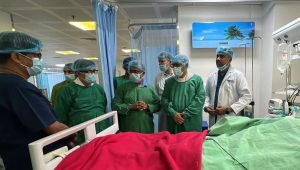
A wave of panic has hit Ad-Din Medical College Hospital in Dhaka’s Moghbazar after the government revoked its licence following the tragic deaths of six neonates.
The decision has sparked widespread anxiety, forcing families to hastily transfer critical patients to other facilities despite severe health risks.
Many families are rushing to transfer patients to other hospitals despite the risks involved, particularly for those in critical condition. According to a hospital notice issued on Thursday, 416 patients were admitted at the time of the government’s decision.
The hospital was treating a number of critically ill patients in its specialised units, including 60 newborns in the Neonatal Intensive Care Unit (NICU), 20 patients in the Intensive Care Unit (ICU), and four in the Coronary Care Unit (CCU).
Following reports of the licence cancellation, a mass exodus began.
By Friday afternoon, 173 patients had been transferred elsewhere, while 243 remained.

Of the newborns in the NICU, 15 had already been relocated, with authorities saying that efforts were underway to transfer the remaining infants by Saturday.
The hospital was also still treating 13 patients in the ICU and High Dependency Unit (HDU), as well as four in the CCU.
Hospital authorities told TIMES that treatment for existing patients would continue uninterrupted, assuring the public that critical care and intensive monitoring would remain operational during the transition period.

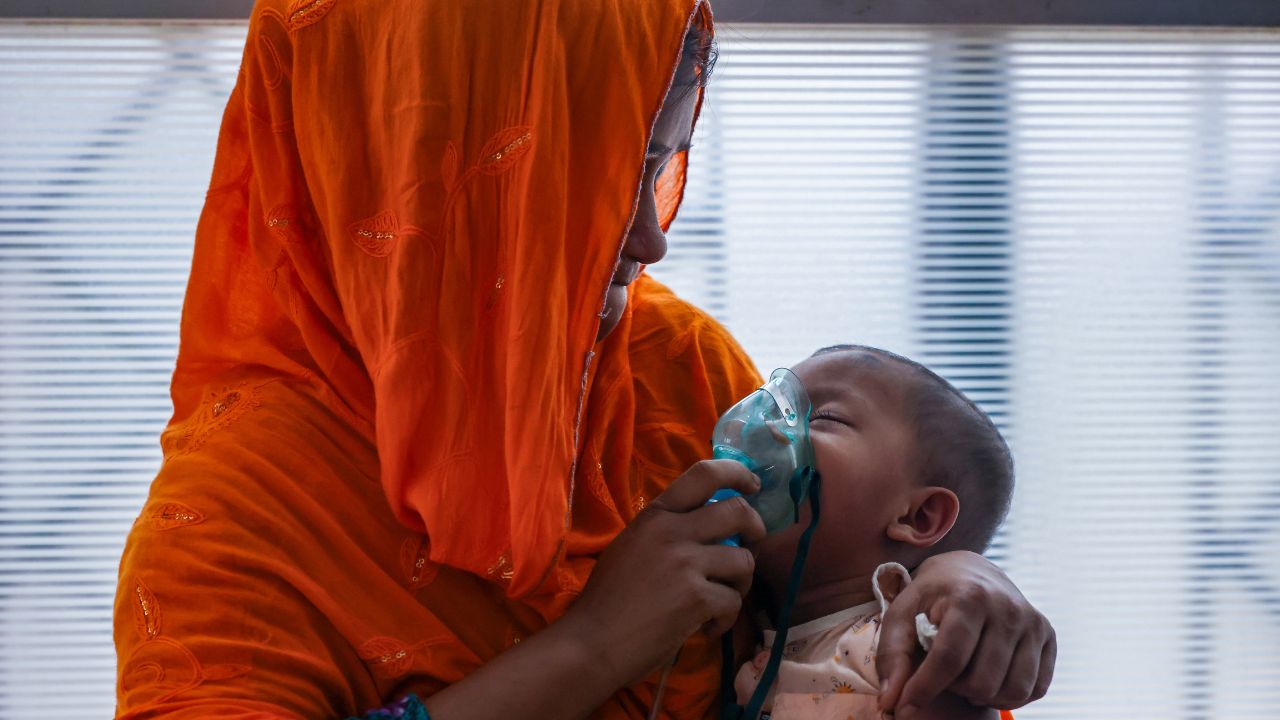

However, a visit to the hospital on Friday revealed many outpatient visitors arriving for routine treatment only to turn back after learning of the situation.
Hospital employees were also visibly worried about their future.
A nurse, speaking on condition of anonymity, expressed deep concern over their livelihoods.
“What will we do if the hospital closes? How will we support our families?” the nurse asked.
Attitudes among patients’ relatives leaned toward accountability but favoured keeping the hospital open.
Abdullah Al Mamun, whose relative is admitted at Ad-Din, said those responsible for the newborns’ deaths must face a strict investigation and legal action, but he urged authorities to consider the humanitarian consequences of a complete shutdown.
“Services should continue while action is taken against those responsible,” he told TIMES, noting that many low-income patients rely on Ad-Din for affordable healthcare.
Other families shared similar anxieties about disrupted care.
Mofizul Islam, who travelled from Cumilla with his pregnant wife, noted that her condition had finally improved after being admitted to Ad-Din following failed diagnoses elsewhere. “She could not even walk before. Now she can speak and eat normally,” he said, fearing a sudden transfer could jeopardise her recovery.
Mohammad Noor Islam Sheikh, from Bagerhat, suggested that a more humane approach would be to suspend new admissions while allowing current patients to finish their treatment.
Ad-Din Hospital Director Md Tariqul Islam Mukul said that the ward linked to the infants’ deaths was shut down immediately and will undergo comprehensive renovation and modernisation over the next three months.
He emphasised that the hospital is fully complying with directives from the Directorate General of Health Services (DGHS).
“We attach the highest importance to patient safety,” Mukul said, adding that new admissions have been suspended since Thursday and that the hospital will seek a official review of the license cancellation within the government’s permitted timeframe.