


In a city as busy as Dhaka, there is a thought that quietly sits at the back of everyone’s mind: “Let’s go somewhere.” For many of us, the most exciting part of childhood outings was not the destination itself, but the cameras which gently swung from the necks of our fathers.
The anticipation of posing with a leaf in hand or standing shoulder to shoulder with cousins, waiting for the click of the shutter. The ritual of picking up the prints from the studio, placing them carefully in an album. Then going back to those photographs on a random weekend with friends and family, revisiting and reliving the day over and over again.
Those photographs were never just paper and ink. They were laughter, memory, and proof of belonging.
Today, we capture moments with a tap on a screen. The album has moved to the cloud, and the prints have vanished. A passport photo now takes two minutes. But in that speed and convenience, something has also shifted: Our relationship with photographs has deepened and grown more complex.
But the question persists: How do we take a good photo? Do we need a fancy camera to get started? Or can the tiny lenses in our smartphone cameras get the job done?

The Rule of Thirds
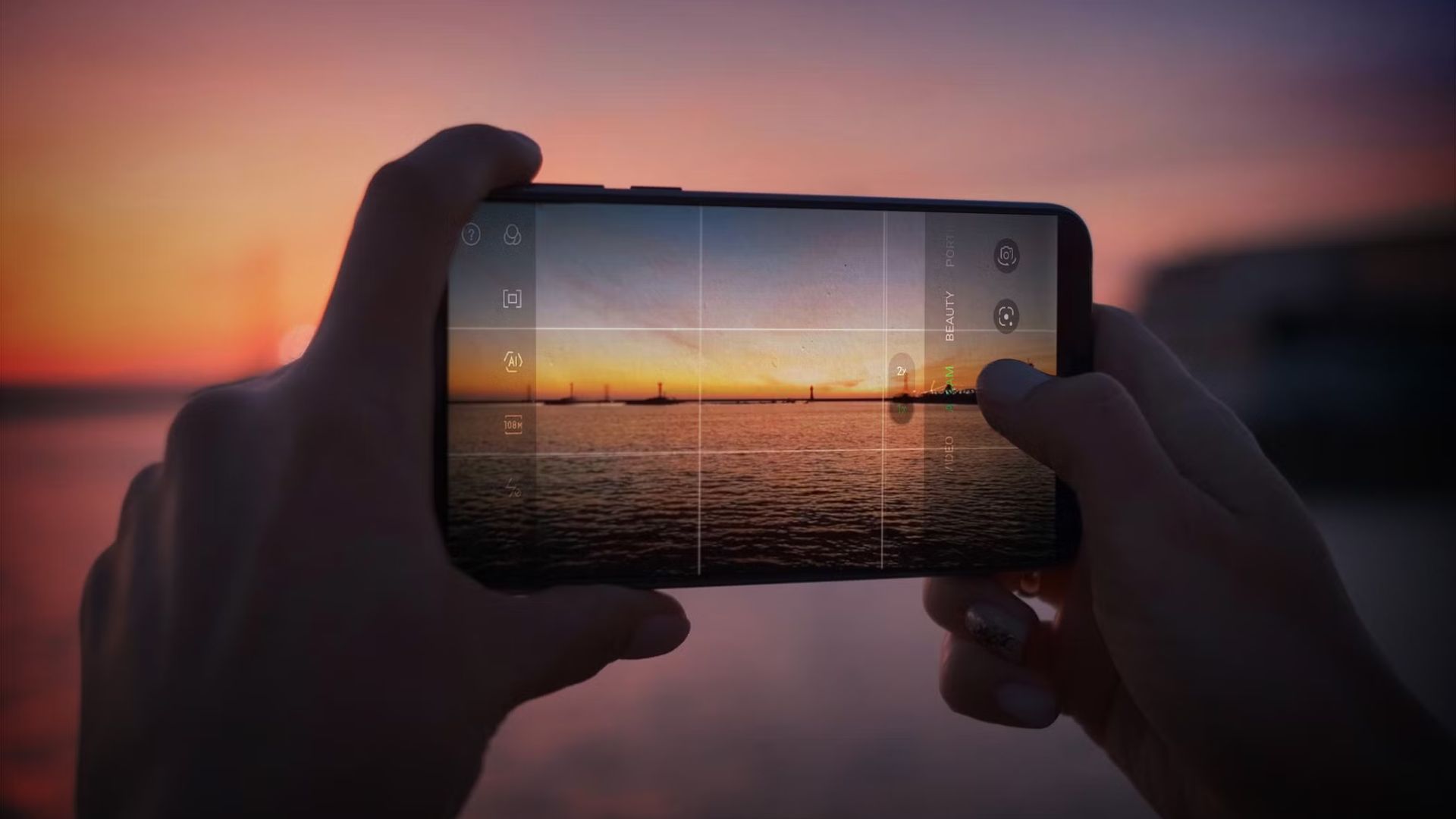
Among all the rules of photography, one stands out for its simplicity and impact: The Rule of Thirds. Imagine a frame divided by two horizontal and two vertical lines into nine equal boxes. The idea is simple: Place your subject along these lines, or better, at their intersections. This instantly creates balance, guiding the viewer’s eyes to where you want them to go.
Most smartphones now offer a grid option in the camera settings. Turning this setting on should be the first thing you do. It will help you keep your shots aligned, regardless of whether you are capturing a sprawling landscape or a simple portrait. It also ensures that the horizon stays straight: A small detail that can make the difference between a beautiful landscape and a disorienting one.
The power of light




Beyond composition, light is perhaps the most important element of any photograph. The golden hours – shortly after sunrise and just before sunset – offer soft, warm light that flatters every subject. Midday sun, by contrast, creates harsh shadows and blown-out highlights. If you must shoot during peak hours, look for shade or use your phone’s exposure control to adjust brightness manually.
Natural light is almost always preferable to artificial flash. When shooting indoors, position your subject near a window. When outdoors, pay attention to how light falls on your subject’s face. A little awareness of light can transform an ordinary snapshot into something extraordinary.
Rules are also meant to be broken
But they should be understood first. Art, of course, is not born from rules alone. But rules teach us discipline, and discipline gives us the freedom to break them thoughtfully. Once you know the rules, you can choose when to follow them and when to defy them. That is how a distinct style develops.
Do not be afraid of the grid. Embrace it, experiment with the frame, and continuously practice. With time, your own eyes and intuition will take over. The best photos are not always technically perfect; they carry a piece of the person behind the lens.
And that – your perspective, your sensitivity, your extraordinary way of seeing the ordinary – is what will make your photos truly unforgettable.
Remember the basics
For those setting out on their next journey, whether to the hills of Bandarban or the beaches of Cox’s Bazar, a few practical tips can go a long way, as basic as they may seem to some of us. Clean your lens before shooting – a smudged lens is the most common reason for hazy photos.
Tap the screen to focus on your subject and adjust exposure by sliding your finger up or down. Shoot in landscape mode for wide scenes and portrait mode for people.
And above all, take more photos than you think you need. The beauty of digital photography is that you can always delete the ones that do not work.
Ultimately, the camera is only a tool. The real magic lies in how you see the world. A good photograph does not require the latest flagship phone or a professional camera. It requires patience, observation, and a willingness to look at the familiar with fresh eyes.
So, the next time you find yourself at a destination, whether it is a misty morning in Srimangal or a sunset over the Padma, take a moment before you capture it.