


As an early grader, I myself, with my siblings and cousin, faced a drowning incident in a local canal with a strong current. Luckily, we four were rescued by a stranger. Like me, many of you grown up mostly in rural or semi-urban areas might have similar memories.
However, fortune does not toss all, so we miss 39 children under 18 years every day from drowning.
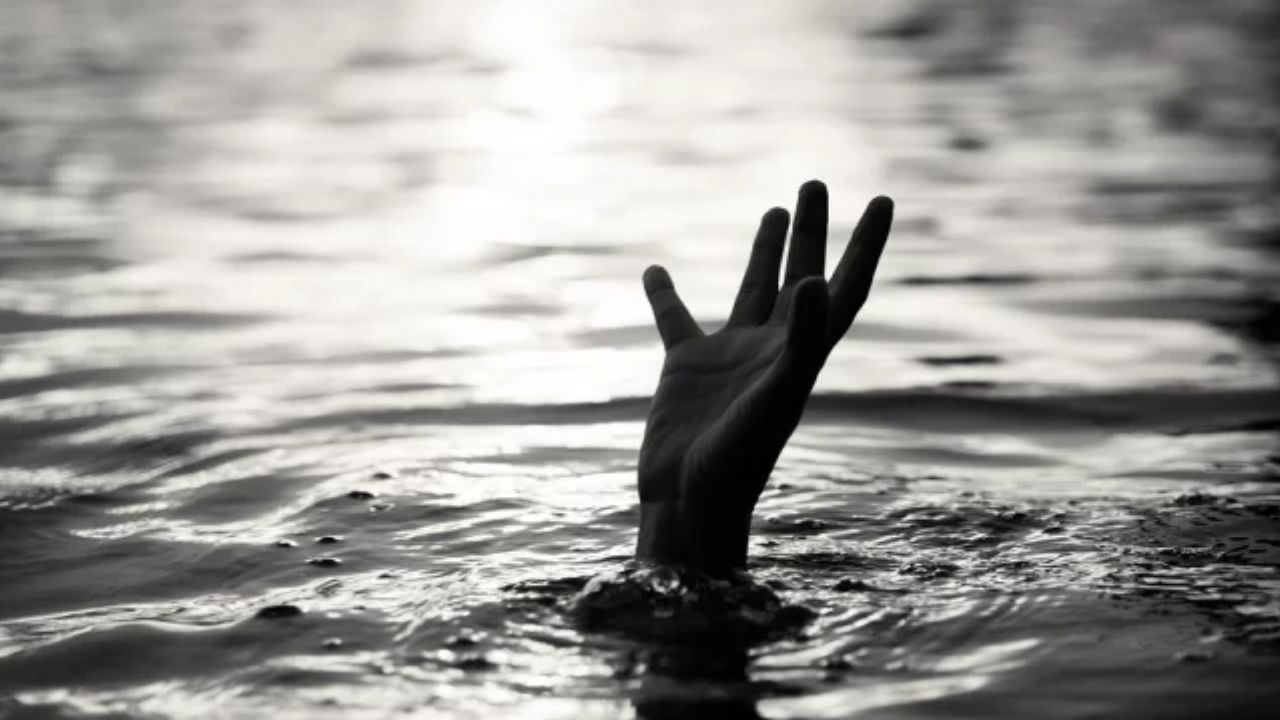
The water that saves life, also takes away their breath silently in the form of drowning. Almost every single day, we hit the headlines 2-year-old drowns in floodwaters in Chattogram, two schoolgirls drown in roadside canal in Kurigram, two schoolgirls drown in roadside canal in Kurigram etc. Even, many incidents remain outside media coverage or are not included in official records.
According to the World Health Organization (WHO), drowning is the 4th leading cause of death for children aged 1-4 and 3rd leading cause of death for children aged 5-14 globally.
This fact is also reflected in Bangladesh, where we witness our children paying the heaviest price. As per data from the Foundation for Disaster Forum, between January to June 2026, 583 people drowned in the country, and among them, 527 are children.
Data from 2025, echoes a similar fact, among 1,311 drowning-related deaths, 90% of victims are children (1,184). The situation becomes worse during disasters like floods, as 75% of flood-related deaths are linked to drowning.

In Bangladesh, the momentum for drowning prevention is growing within the government and non-government organizations, development partners, communities, and others. However, these collective actions and investments must be accelerated to combat this preventable public health concern.
Across the globe, July 25th is marked as World Drowning Prevention Day to raise awareness and actions together. To ignite collective actions, the World Health Organization announced “Unite to Turn the Tide’’ as this year’s theme.
In drowning prevention, Bangladesh government has already created a remarkable footprint. Its drowning prevention strategy and plan 2025, has set a clear roadmap to reduce 50% of drowning deaths by 2030.
To strengthen coordinated and integrated actions, the strategy formulated by the Health and Family Welfare Ministry listed 33 members, including representatives from government entities, NGOs, educational and religious institutions, journalists, and WHO/UNICEF.




It is high time to translate the national strategy into tangible action on the ground. This requires dedicated budget allocations, clear implementation plans, and stronger coordination across ministries.
Priorities should include establishing robust drowning surveillance systems, investing in research, scaling up evidence-based community interventions, and strengthening the respective committees at the national to upazila level responsible for implementing and monitoring drowning prevention initiatives.
The government’s another praiseworthy initiative, 8,000 community childcare centers and 1,600 Swim Safe initiatives under the former Integrated Community-Based Centre for Child Care protected more than half a million children (5.60 lac) from drowning in 45 upazilas of 16 districts.
Though a new Development Project Proposal (DPP), is in the pipeline, experts suggest that the government should tackle this challenge from the regular revenue budget, considering it as an essential public health service at the community level, popular tourist destinations, and others.
Integrating survival swimming skills as co-curricular activities within the primary and secondary education system is also a timely need the government should step forward by exploring public-private partnerships.
The media has a strong role in setting the agenda beyond informing the audience and raising awareness. Therefore, stories of drowning reported in the mass media and social media should be more than a tragic headline—it should become an opportunity to educate families, influence policymakers, and promote proven interventions.
These narratives will frame drowning as a preventable public health issue rather than an isolated case. As a crucial actor for raising massive awareness and actions, media need to highlight more expert opinions, statistics, policy issues, or practical prevention advice.
Media can also hold institutions accountable by tracking progress on national commitments and highlighting gaps that require policy attention in this issue. By addressing behavioural insights of audience throguh visual storytelling, community influencers can significantly improve the reach and effectiveness of these campaigns on social media.
Local level institutions like schools, mosques, parents and community members also have roles to play for amplifying awareness and supportive supervision to turn the tide of this ‘silent epidemic’ together.
Bangladesh in partnership with Ireland played a pioneering role in the UN’s 75 years anniversary to acknowledge drowning as a global public health concern. This leadership facilitated United Nations General Assembly in adopting resolution on ‘Global Drowning Prevention.’
Studies shows that our investments on drowning prevention interventions are capable to bring nine times return. Even, investment on only two cost effective solutions including supervision and swimming lessons to children will save 774,000 lives by 2050 globally.
At present, our attention and actions need to drive to prevent drowning to ensure every child’s right to survive and thrive. Furthermore, it is fundamental to reach targets of SGD 3 to ensure healthy lives and promote well-being for all ages.
Finally, investing in drowning prevention is an investment in Bangladesh’s future—because every child saved today strengthens the nation of tomorrow.
The writer is Communications Manager at the Centre for Injury Prevention and Research, Bangladesh (CIPRB). She can be reached at [email protected]