Whenever we talk about travelling to Chattogram, we unknowingly think of Rangamati, Bandarban and Kaptai. Yet, within Chattogram itself lies a world that is just as vibrant and full of stories. Known as one of the oldest urban centres in Bangladesh, this port city has seen 2,500 years of history unfold. From ancient Greek and Arab traders to Portuguese sailors and colonial soldiers, all have left their marks on this historic city. Some of those traces can still be found in Chattogram today. What would it be like if we could spend an entire day just exploring Chattogram city?
The city wakes up early. If you want to watch the sunrise, there’s no better place than Abhay Mitra Ghat, located on the banks of the Karnaphuli River. The ghat glows golden as dawn breaks, and fishing boats drift silently in the morning mist. With winter approaching, the air feels crisp and calm. This could be a perfect start to a long, beautiful day in Chattogram.
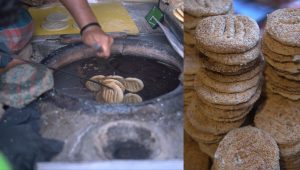
Morning calls for breakfast and in this city, that means tea and Bela biscuits, a tradition that dates back centuries. Inspired by Portuguese food habits, Gani Bakery has been making Bela biscuits for over 150 years, which is one of the oldest bakeries in the subcontinent that still stands today. It is said that during World War II, Gani Bakery used to supply bread and biscuits to British soldiers. Since its establishment, they have maintained the same quality, still baking in traditional clay ovens.
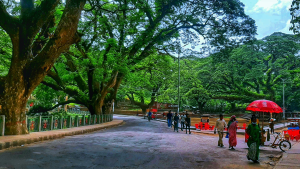

From there, the rickshaw wheels roll toward DC Hill, a green heart in the middle of the city. From the young to the elderly, all enjoy their morning walk. Spending some time there, you can take a rickshaw to CRB, which is one of the oldest parts of Chattogram. This place is often called the “oxygen” of Chattogram city. It is a place where you can sit for hours doing absolutely nothing and still enjoy your time.



By noon, as the sun grows hotter and hunger sharper, lunch in Chattogram must mean one thing: the traditional Mezban feast. It is served with hot beef, plain rice, chonar daal (curry of mung bean), nolar jhol (marrow stew), and salad. Though the meal is heavy, it’s so delicious that people in Chattogram try to have it at least once a week. It has become a part of the city’s heritage. People serve Mezban at weddings, religious events and major gatherings.

At GEC More, you’ll find the famous Candy’s Jilapi. This shop, running for over 45 years, is renowned for its Jilapi (sweet fried dessert). It also serves biryani. During Ramadan, people must queue up to buy it.
In the late afternoon, when the sun begins to tilt toward the west, you can visit the Chattogram War Cemetery. During World War II, Chattogram was an important battlefield in South Asia. Many soldiers lost their lives here during the war, and they were later buried in this cemetery. Even today, people visit the historic site to pay tribute to those fallen soldiers.
Just as Chattogram was culturally rich, it was also rich in religious heritage. Anderkilla Shahi Jame Masjid, Chandanpura Masjid and Chatteswari Kali Temple stand as symbols of that legacy. Chandanpura Masjid, also known as Masjid-e-Siraj-ud-Daulah, is recognised as one of the oldest mosques in Bangladesh. It still reflects the Mughal architectural heritage of Chattogram.
As the sun sets, Patenga Sea Beach comes alive. The waves touch the shore softly. You sit with hot piyaju and fried crabs in hand. The breeze is salty. The sun is low. The sky turns warm shades of orange and pink. Sitting by the waves with hot piyaju and fried crabs, you will feel calm and happy.
As night comes, you realise one day is never enough in Chattogram. There is still so much to see, taste and experience. There are many more places scattered throughout the city which are all waiting to be explored. The famous “Bahar Paan” of Love Lane or Hazrat Bayezid Bostami (R.A) Dargah Sharif, the hill view from Batali Hill or Zia Memorial Museum, all remain unseen.
Next time you visit Chattogram, stay longer. The city is not just for seeing. It is for feeling. Its streets, its smells, its flavours stay with you. Long after you leave, you remember them. Like the last bite of jilapi that lingers sweetly on your tongue.